Getting started
What is the first step in working with Idlewild?
The first step is an initial landscape consultation. One of our designers visits your property to learn about your goals, look at the site and talk through what is possible.
- Your vision and priorities for the space
- How you want to use the landscape
- Site conditions and opportunities
- General budget considerations
- Possible design directions
This meeting helps us both decide whether our design process is the right fit for your project.
What happens after the consultation?
We schedule a design proposal meeting, usually on Zoom. It makes sure you understand the process before the design phase starts.
- We present our proposed design approach
- We review the scope of work we would develop for your property
- We discuss the expected investment range for installation
- We explain our design process and timeline
Do all projects start with a design?
Yes. Every Idlewild project begins with a professional landscape design.
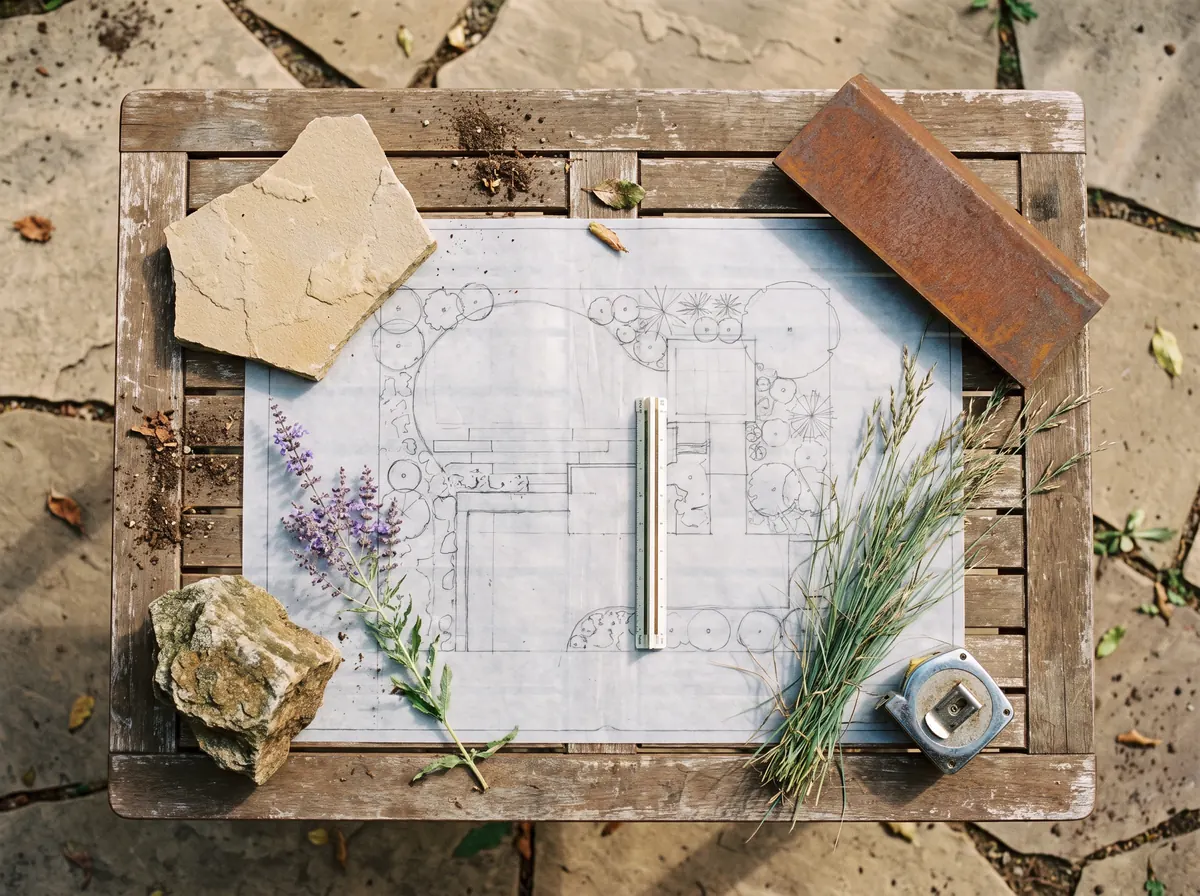
Designing first lets us plan the layout, materials, planting and outdoor features before anything is built, so the whole landscape works together and you avoid costly changes during construction.
The design phase
What does the design phase include?
The design phase develops the complete vision for your landscape. Depending on the project, our Premium Design Package may include:
- 3D video walkthroughs of the landscape
- Hardscape and layout plans
- Construction documents
- A full installation bid
These let you see the finished landscape clearly and understand exactly how it will be built.
How much does landscape design cost?
Design costs depend on the size and complexity of the project. Most residential landscape designs range from about $3,500 to $5,500.
At your design proposal meeting, we outline the design fee for your project.
How long does the design process take?
It depends on the scope and the time of year, but most designs are finished within 3 to 4 weeks. We review the expected timeline with you at the proposal meeting.
Installation
What happens after the design is finished?
Once your design is approved, we move into installation planning:
- Finalize construction details
- Confirm materials and plant selections
- Prepare the project schedule
- Coordinate construction logistics
- Get any permits and engineered plans needed
At this point we also take a booking deposit to hold your place on our installation schedule, so we can set aside the time, materials and crew for your project.
Does Idlewild install the landscapes you design?
Yes. Idlewild designs and installs, so we oversee the project from concept to completion and make sure it is built to the plan and to our standards.
How long does installation take?
It depends on the scope. Some projects take a few weeks; larger outdoor living spaces can take several months. We review the timeline before construction starts and keep you informed throughout.
Projects we take on
What types of landscapes does Idlewild specialize in?
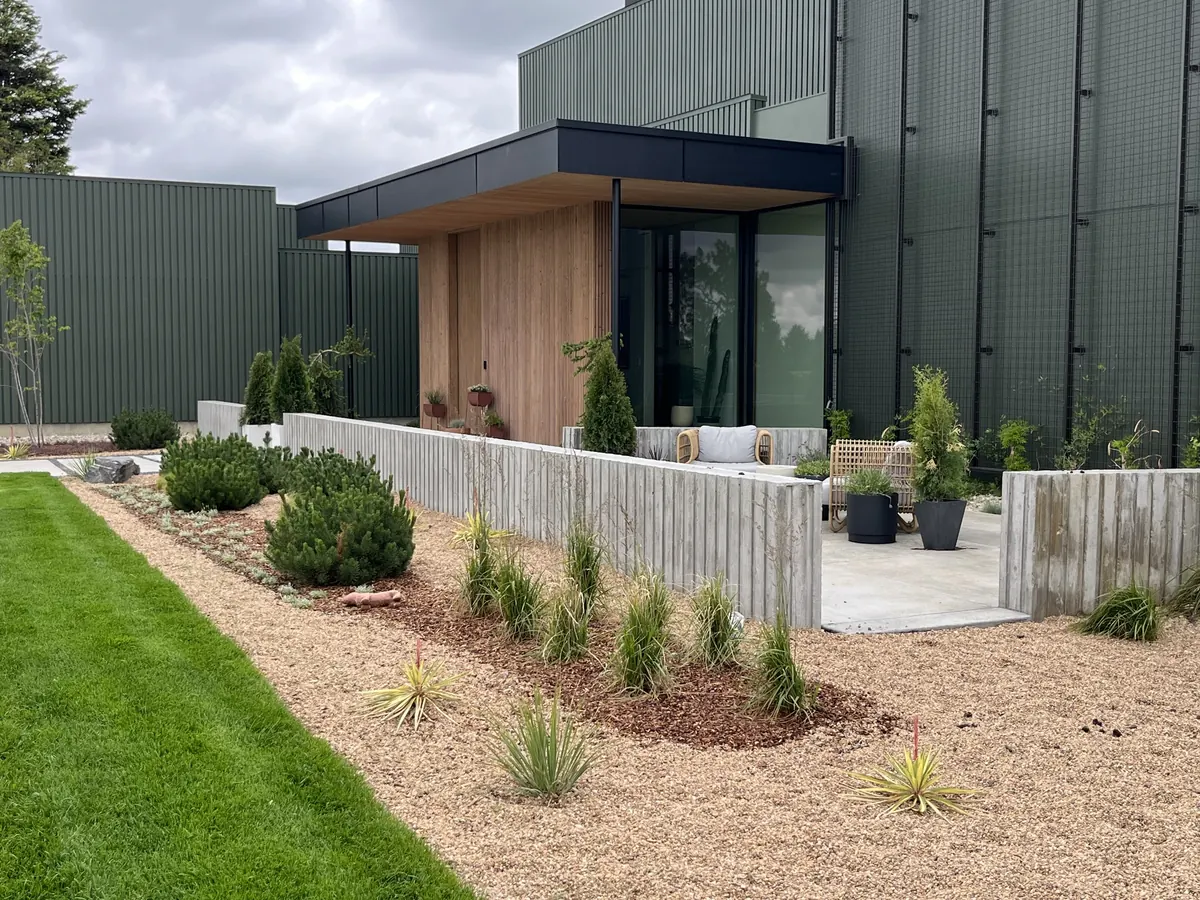
We design and build a wide range of outdoor spaces. Our focus is beautiful, climate-appropriate landscapes that change how people live outdoors.
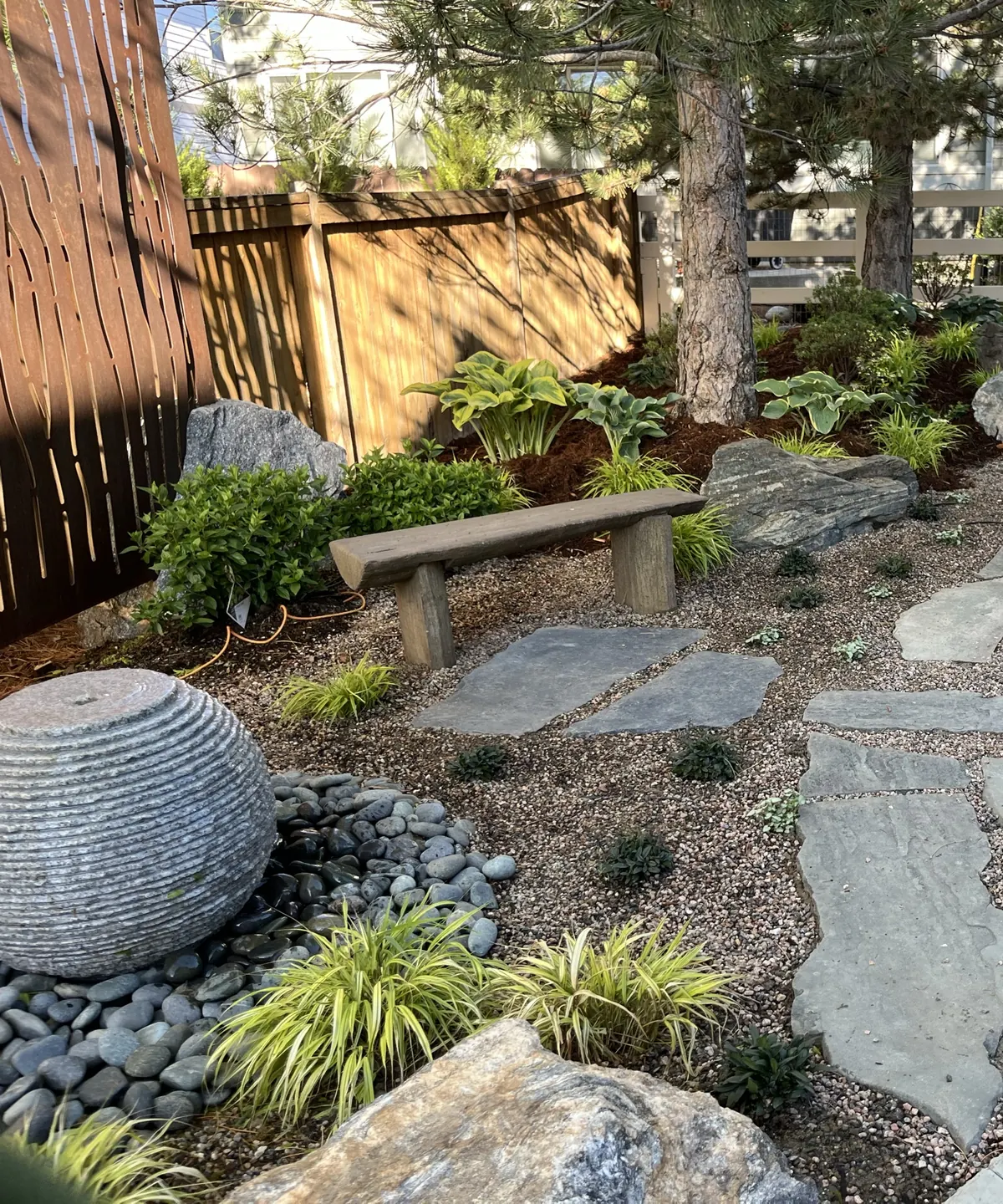
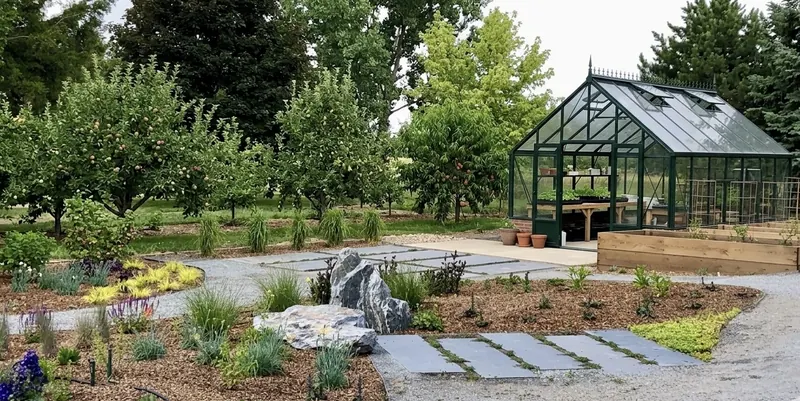
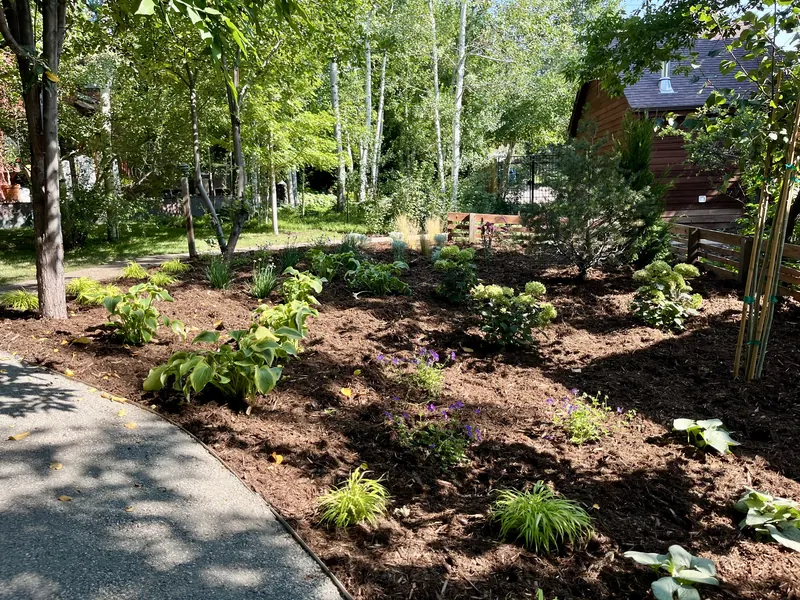
- Water-wise and xeriscape gardens
- Pollinator-friendly landscapes
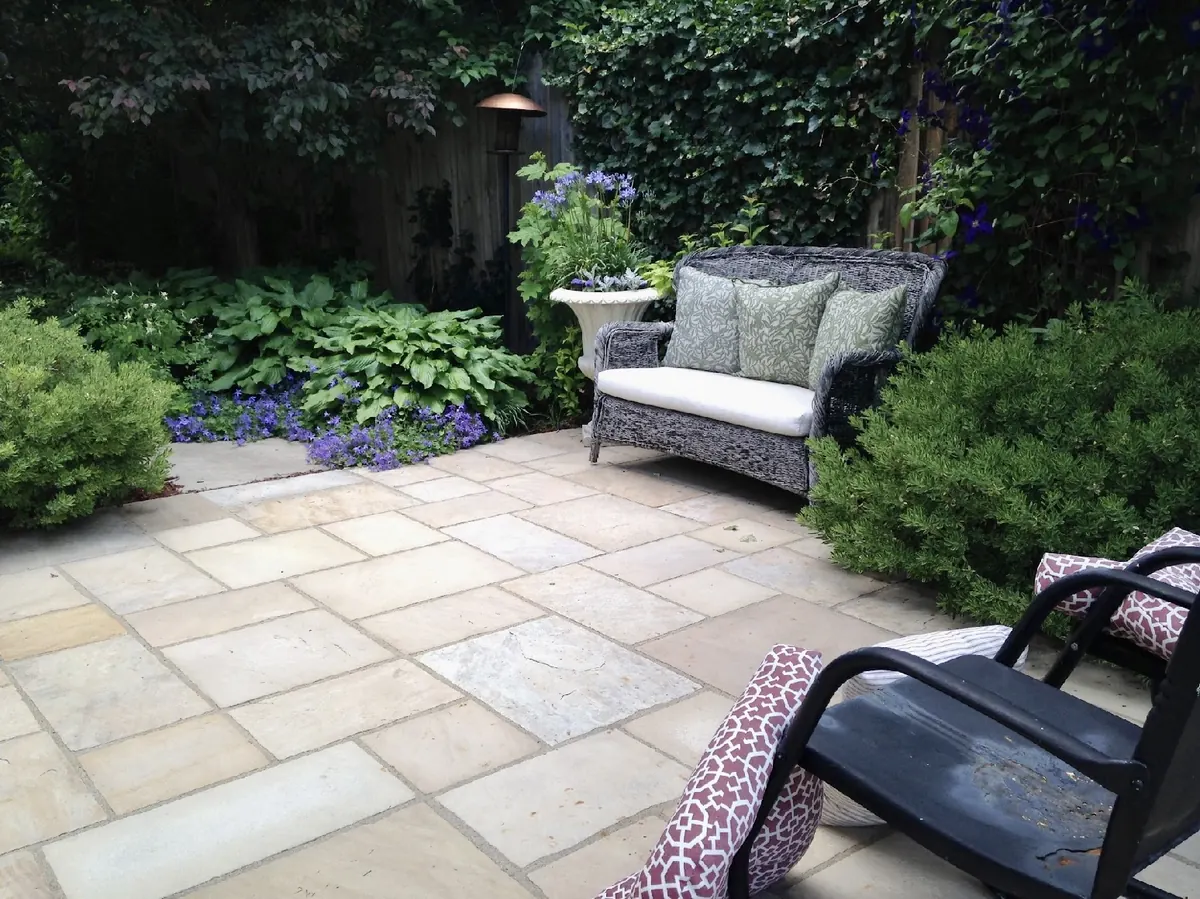
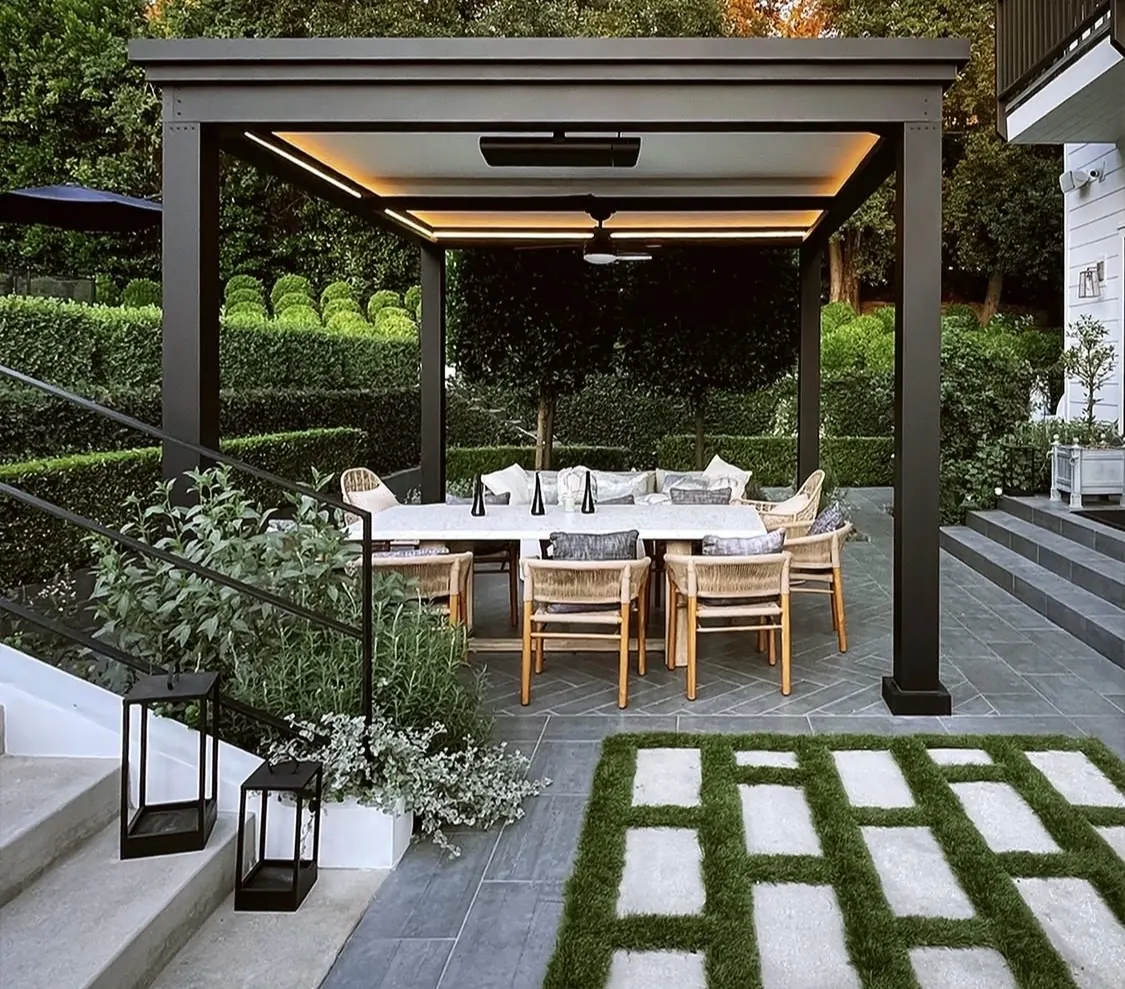
- Custom patios and walkways
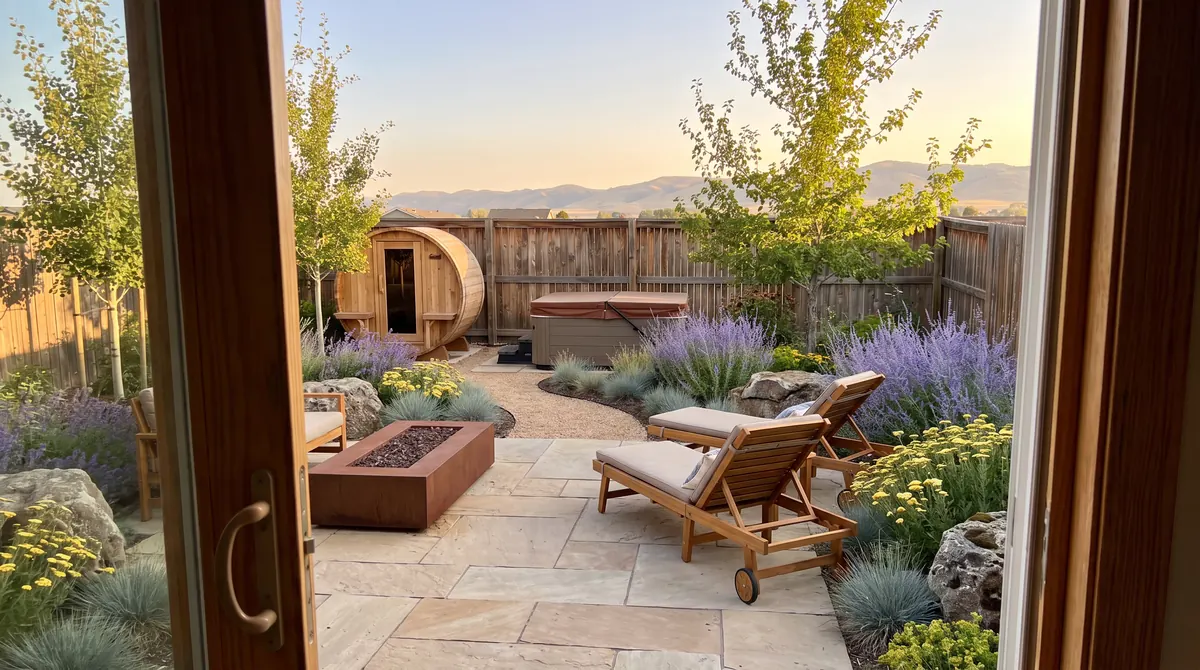
- Wellness spaces, including barrel saunas and cold plunges
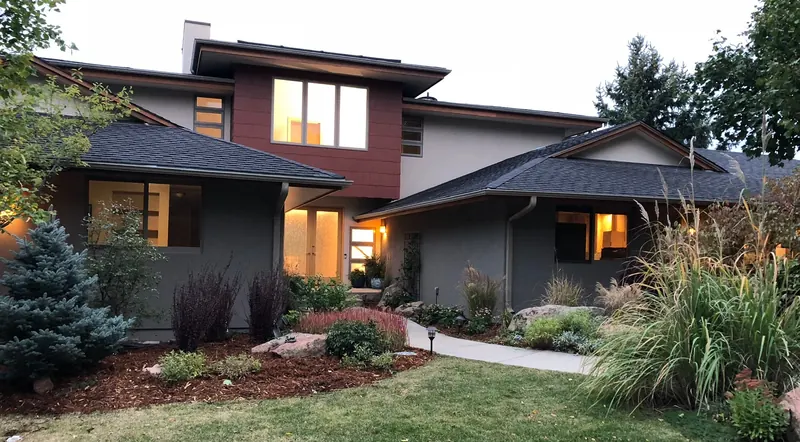
- Complete landscape transformations
Budget and planning
What should I budget for a landscape project?
It depends on the size of the property, the materials and the scope of work. Most Idlewild designs and installations begin at around $45,000.
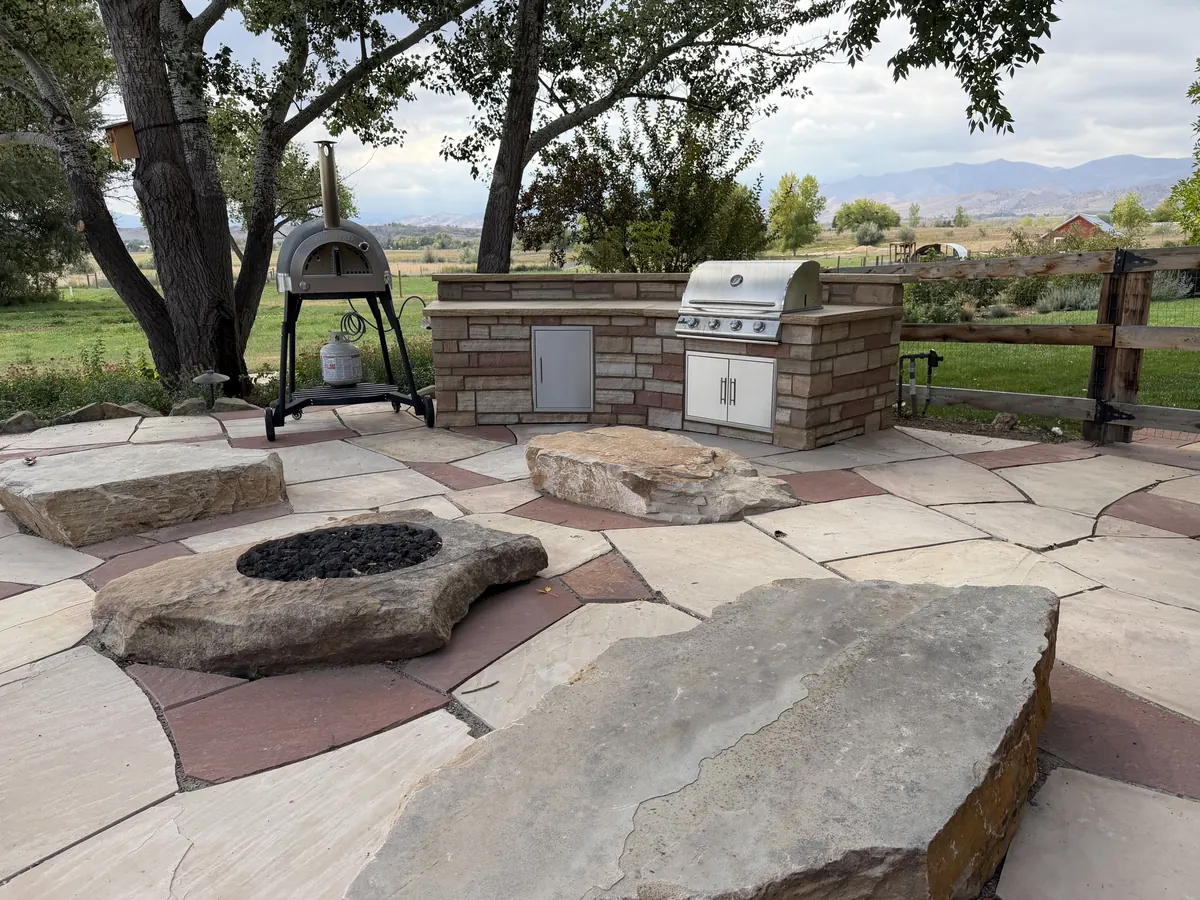
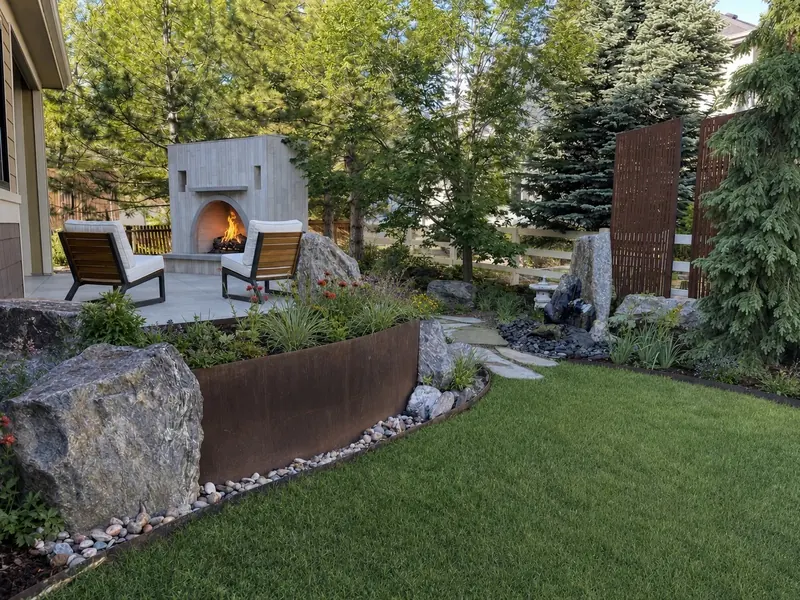
We also do landscape enhancements that add something new to an existing landscape without a full redesign, such as more planting beds, an outdoor fireplace or fire pit, a barrel sauna, or new garden paths.
At your design proposal meeting, we give you an estimated range based on your goals and the design direction we recommend, so the scope matches your expectations before design begins.
How much does a landscape renovation cost in Colorado?
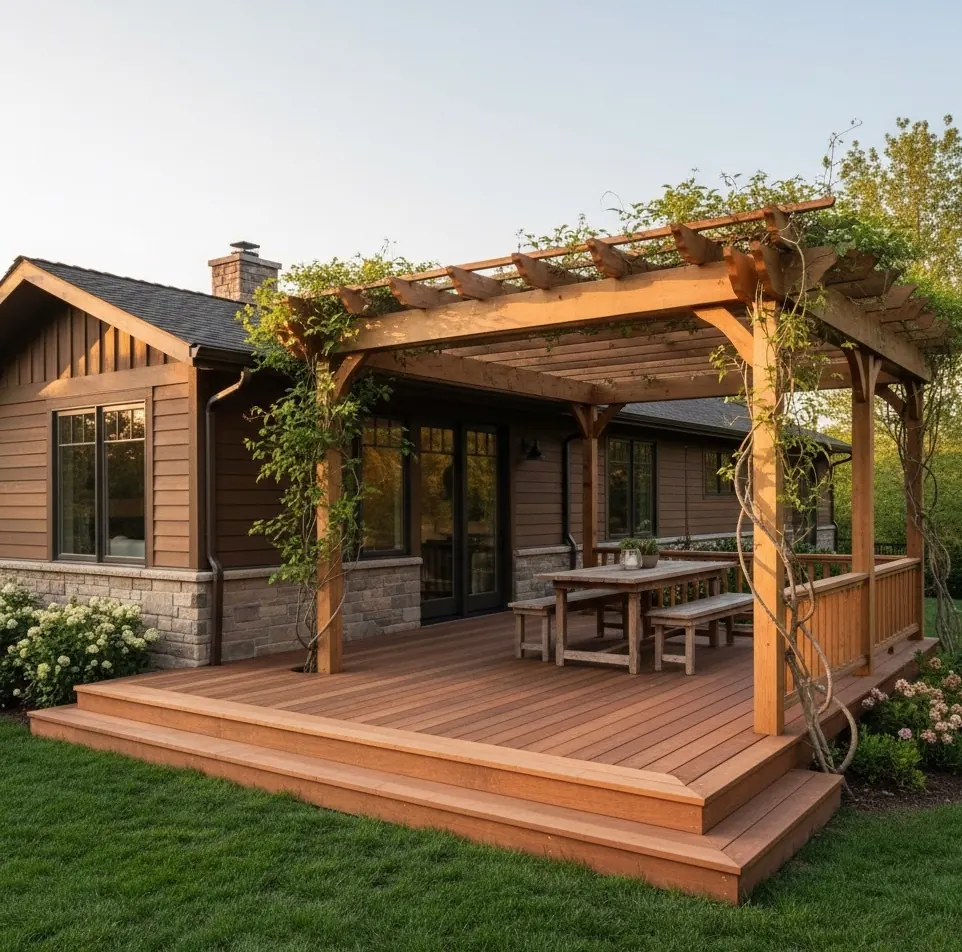
Costs vary widely with the size of the property and what is included. Patios, planting design, outdoor living spaces, pergolas and decks all change the investment. At the design proposal meeting, we give you an estimated installation range for your property.
More questions
Is xeriscaping cheaper than keeping a lawn?
In many cases, yes. A water-wise garden takes an upfront investment, but it typically uses 30 to 60 percent less water than a traditional lawn, and it needs less mowing, fertilizing and irrigation, which lowers upkeep over time.
In Colorado’s semi-arid climate, water-wise gardens are often the more sustainable and cost-effective choice over the long run.
When is the best time to start a landscape project?
Early. Design takes time and installation schedules fill quickly, so many clients start the design several months before they hope to build. Design work happens all year; most installation happens between spring and fall.
By service
Questions about a particular kind of project.
Landscape design
How does a design project start?
With a visit. We walk the property with you and talk about your goals, how you use the yard, your timeline and your budget. Ask how the visit and the design are priced when you book.
Do I need a full design for a small project?
Not always. For a single bed, path or fire feature, we can often look at the yard, talk through what you want and settle the approach without a full design. That work is on the landscape enhancements page.
Landscape construction
Who will be working on my yard?
Our own crew handles hardscaping, planting and irrigation, and the designer stays involved through the build. Masonry, carpentry, welding and pool work go to partner trades.
How long does construction take?
It depends on the scope, the materials, permits and the season. We set expectations with you during design, before work starts.
Hardscaping
Do I need a permit for a retaining wall?
It depends on the town and the wall. In the City of Boulder, a Colorado licensed engineer must design walls over 3 feet tall from the bottom of the footing. The same goes for walls on a slope of 15 percent or more. Other towns set their own rules.
Which patio material holds up best to Colorado winters?
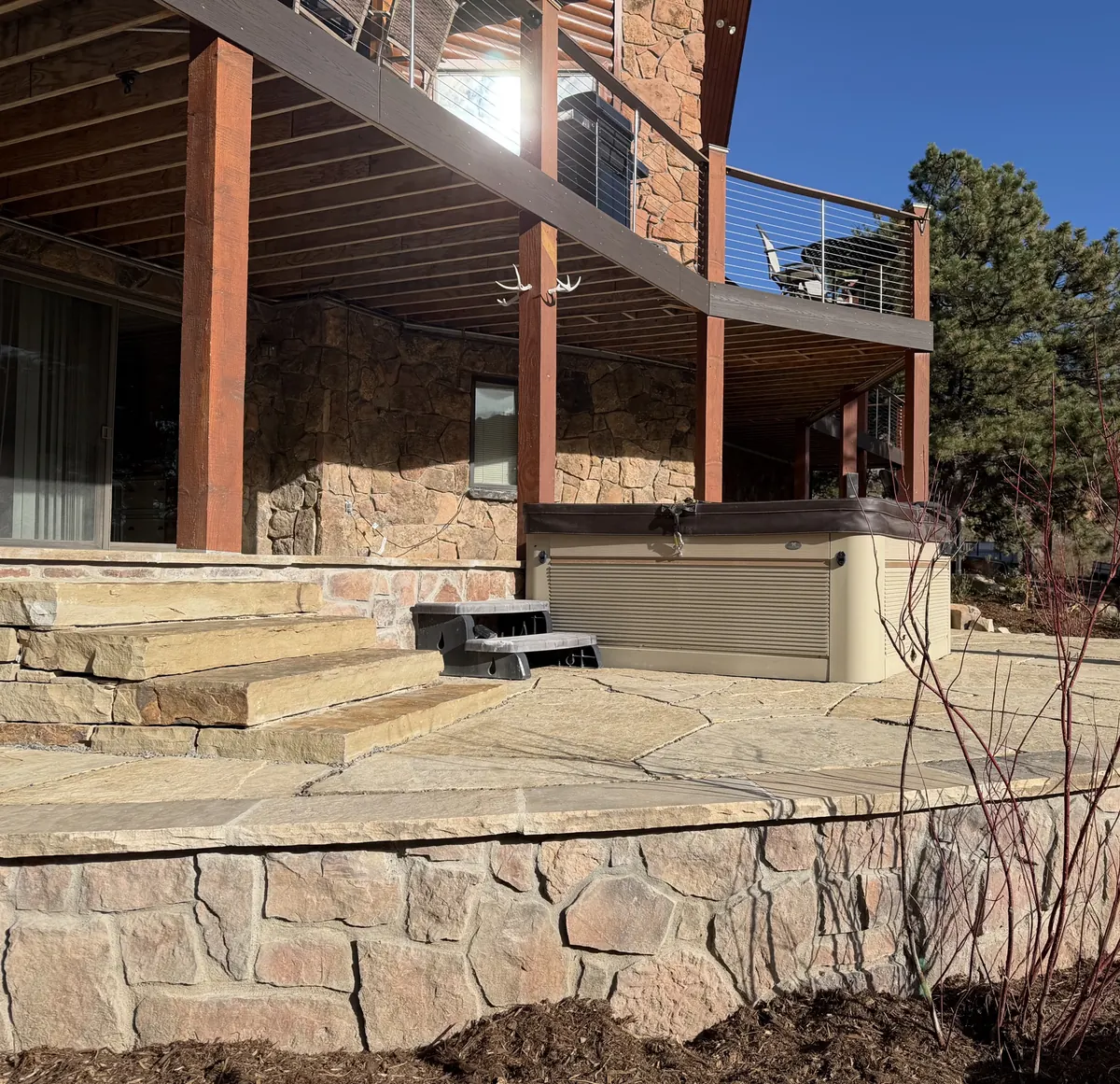
Each can last when the base drains well. Pavers flex with frost and are easy to reset. Flagstone is natural and can be repaired one stone at a time. Poured concrete is rigid and more likely to crack. The base under the patio matters more than the surface you pick.
Water features
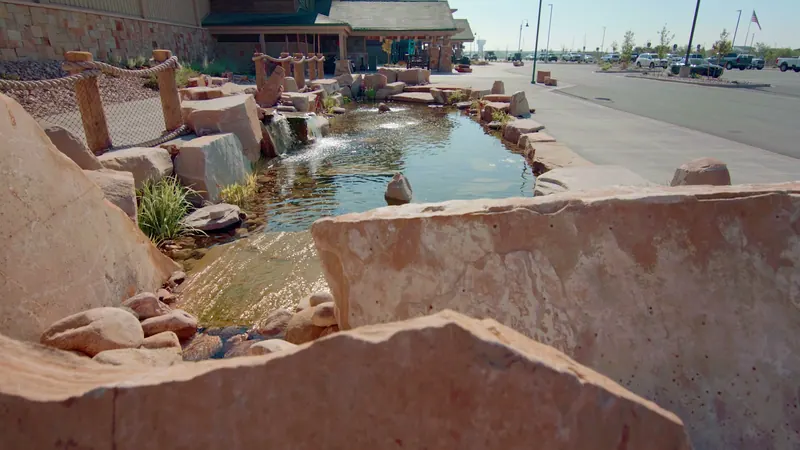
Do water features waste water?
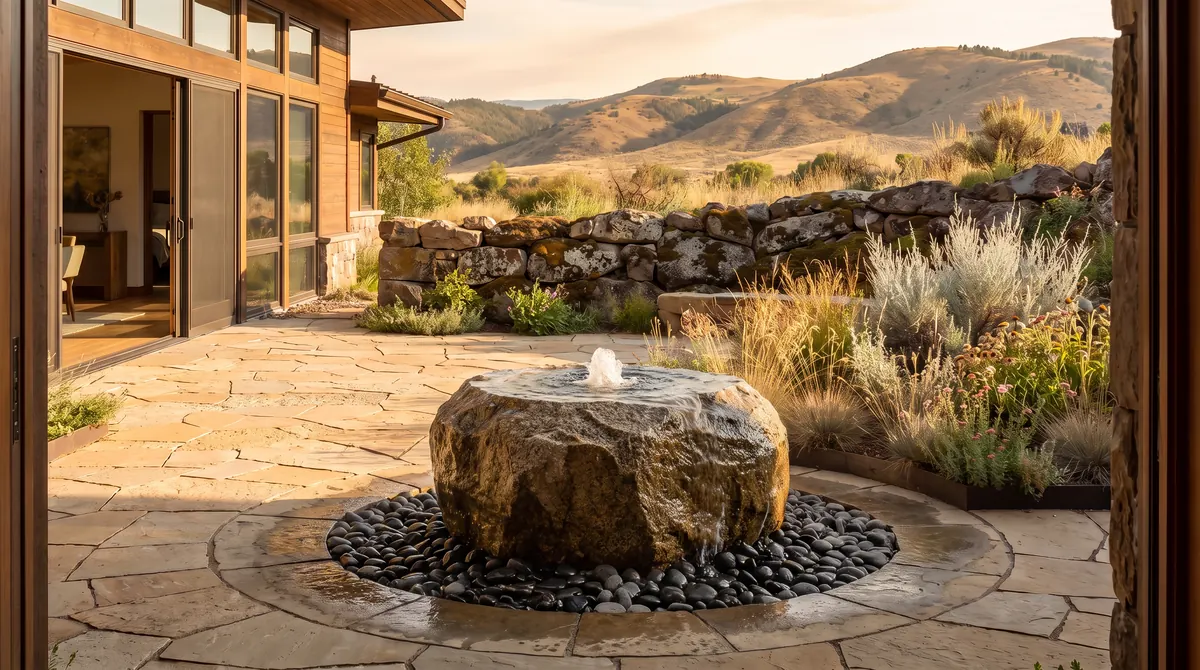
A recirculating feature reuses the same water. You top it up to replace what evaporates and splashes out. We favor recirculating systems and efficient equipment.
What happens to a water feature in winter?
We plan features to be simple to winterize. In most cases that means draining the pump and any lines that hold water before hard freezes, then starting it again in spring.
Pools, hot tubs and plunge pools
Do you build the pool?
No. The pool, spa or plunge pool comes from our partners, Soake Pools and EVO Pools. We plan and build the landscape around it.
Can I use a plunge pool in winter?
Some can be heated. Soake describes its plunge pools as working like both a pool and a hot tub, for use all year. Ask the pool partner which models and heaters fit how you want to use it.
Outdoor kitchens
Can an outdoor kitchen be added to my existing patio?
Often, yes. We build new kitchens to match the hardscape already there. The patio has to carry the weight, and gas, power and water need a route to reach it.
How far from the house should it be?
Close enough that trips inside are short, but far enough that smoke stays out of open windows. Wind direction and afternoon sun decide the final spot.