









Estate management for larger properties
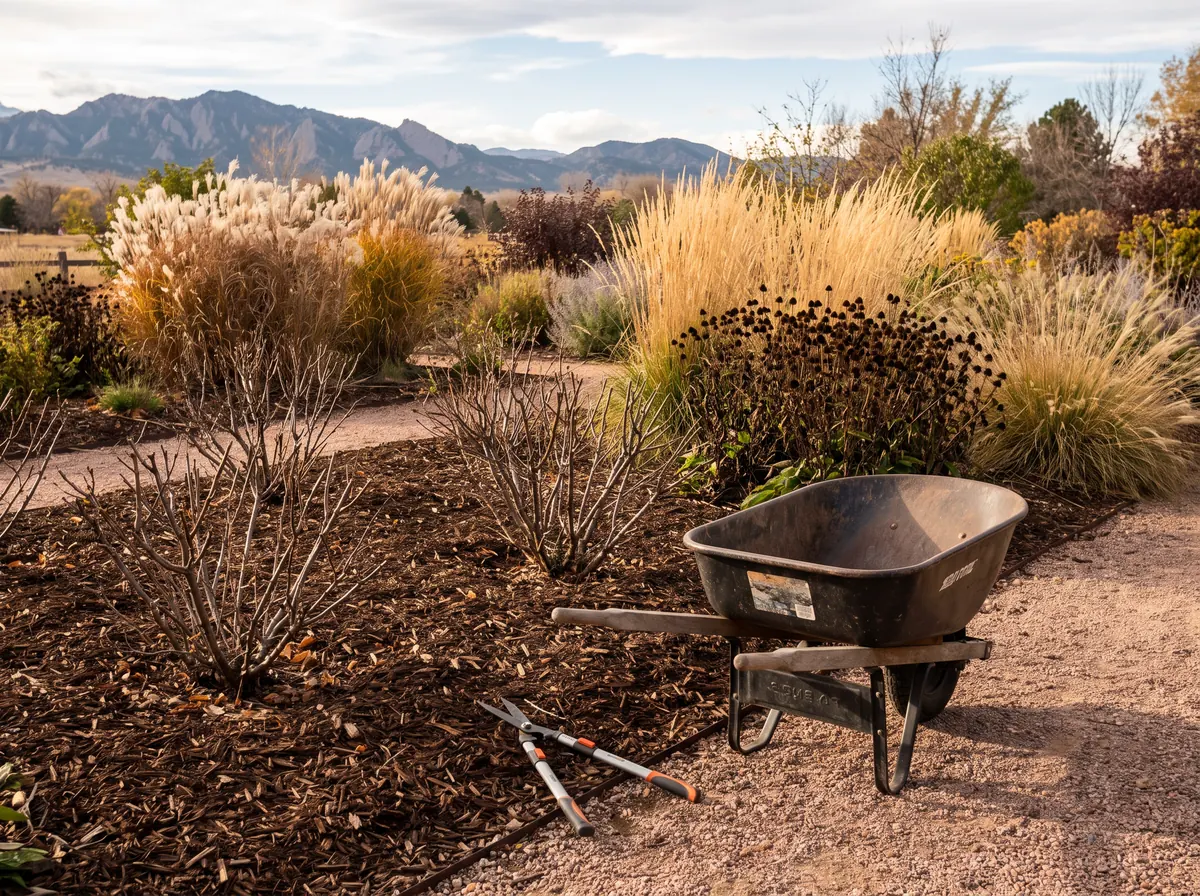
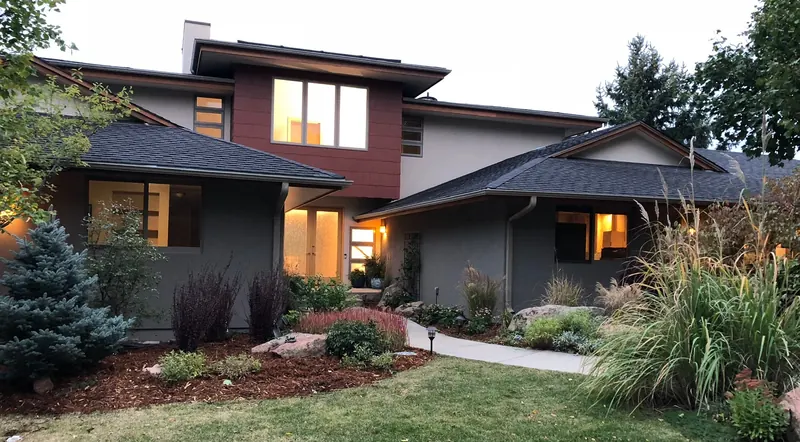
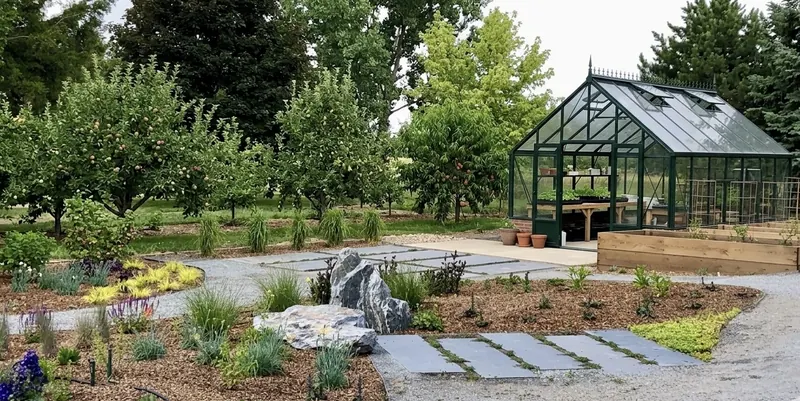
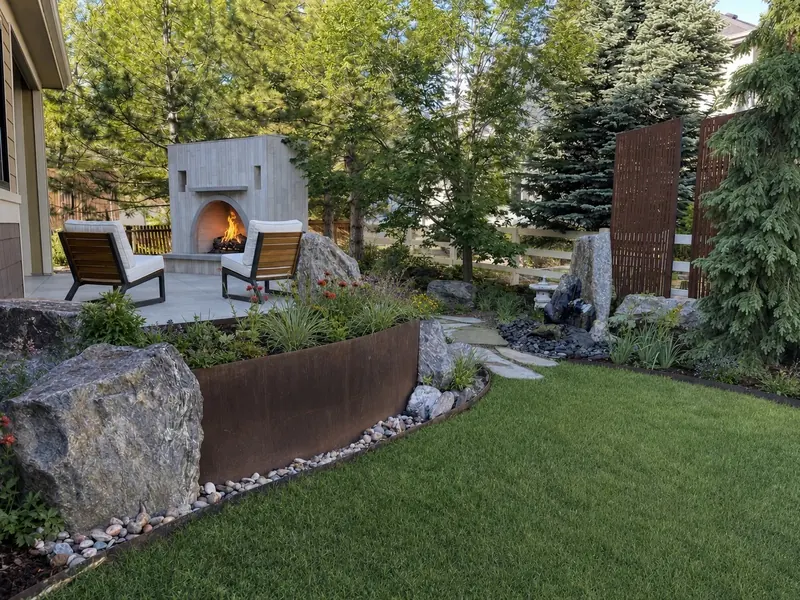
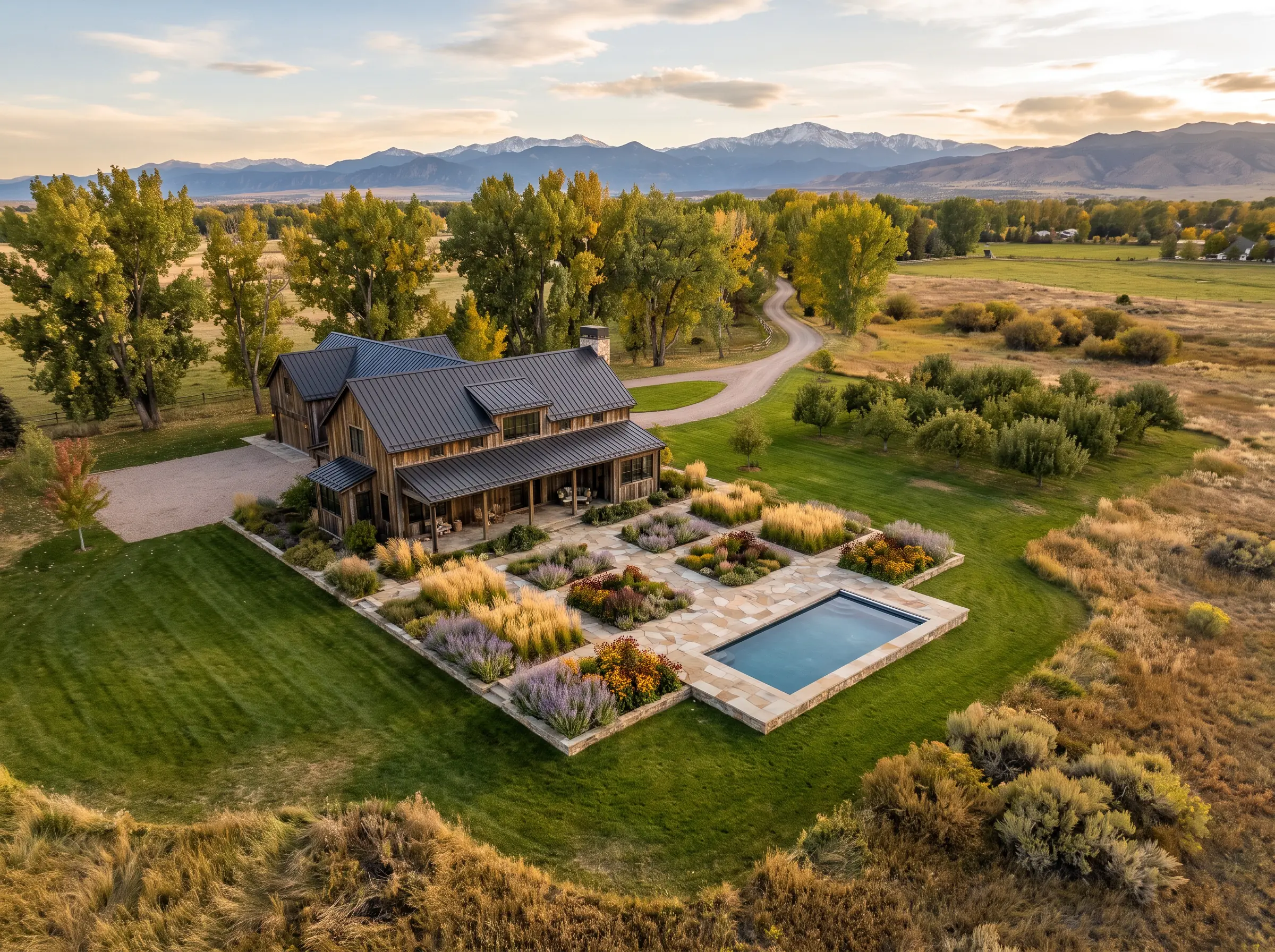
Estate management is Idlewild's ongoing care for larger properties: one team that knows the whole landscape, spots problems early, plans what comes next and coordinates other specialists. We do it for properties we built and ones we didn't, in Boulder County and nearby towns.
The short version
- For
- Larger properties, ours or not
- One team
- Watches, plans and coordinates specialists
One team learns the whole property and catches problems early, before plants suffer.
We help sort what needs attention now, what can wait, and when a bigger project makes sense.
When trees need a licensed arborist, we bring in the right people and make sure the work fits.
What one team watches
Time on the property means problems show up early. These are the parts of a landscape we keep an eye on, and how we sort what we find.
- Planting
What to edit, renew or let grow in as the garden matures.
- Irrigation
Zones, schedules and leaks, before plants suffer.
- Soil and drainage
How the ground holds and sheds water.
- Lighting and hardscape
Wear on fixtures and stone as the years go by.
- Trees
Their health, and when to bring in a licensed arborist.
Then we sort it
An irrigation zone failing, or a tree that needs a specialist.
A bed that has grown crowded and can be edited at the right time of year.
A space that could work better now that the garden has matured.
“The team showed up on time, were very profession and friendly.”
Quick answers
Something else? Call (720) 243-9930.
Do you manage properties you didn't build?
Yes. For those, estate management starts by learning the landscape: what is there, what works and where care can help.
How is estate management different from seasonal maintenance?
Seasonal maintenance is care at key points in the year. Estate management adds ongoing oversight of the whole property: spotting problems early, setting priorities and coordinating other specialists.
Do you do tree work?
We watch the trees and help bring in the right specialist. In Boulder and Longmont, some tree work must be done by city-licensed companies.
Can estate management include planning upgrades?
Yes. Part of the work is deciding what needs attention now, what can wait, and when an enhancement or bigger project makes sense.
What about wildfire risk on a large property?
Defensible space needs ongoing upkeep. The Colorado State Forest Service sets out zones at 0 to 5, 5 to 30, and 30 to 100 feet from each building. Estate care can keep that work on the calendar.
Read the full page: problems caught early, trees and dry winters
Learning the whole property
A landscape keeps changing after it is built. Plants mature. Trees grow and cast new shade. Materials weather. Irrigation needs shift. The way you use the property may change too.
Estate management keeps us connected to all of it. We learn the landscape: how it was designed, how it is doing, what is changing and where it needs attention. Knowing the place lets us catch issues early and make suggestions with the whole property in mind.
For landscapes we designed and built, we already know the thinking behind them. For properties we didn't create, estate management starts by learning what is there, what works, and where care can help.
Catching problems early
Time on the property means problems show up early. It might be an irrigation zone failing before plants suffer, or a bed that has grown crowded. It might be a tree that needs a specialist, or a space that could be better now that the garden has matured.
From there, we help sort what needs attention now, what can wait, and when an enhancement or larger project makes sense. The goal is not to freeze the landscape as it looked on day one. It is to help it age well and keep serving the people who live there.
- Planting. what to edit, renew or let grow in
- Irrigation. zones, schedules and leaks
- Soil and drainage
- Lighting and hardscape wear
- Trees, and when to bring in a licensed arborist
Ash trees and licensed arborists
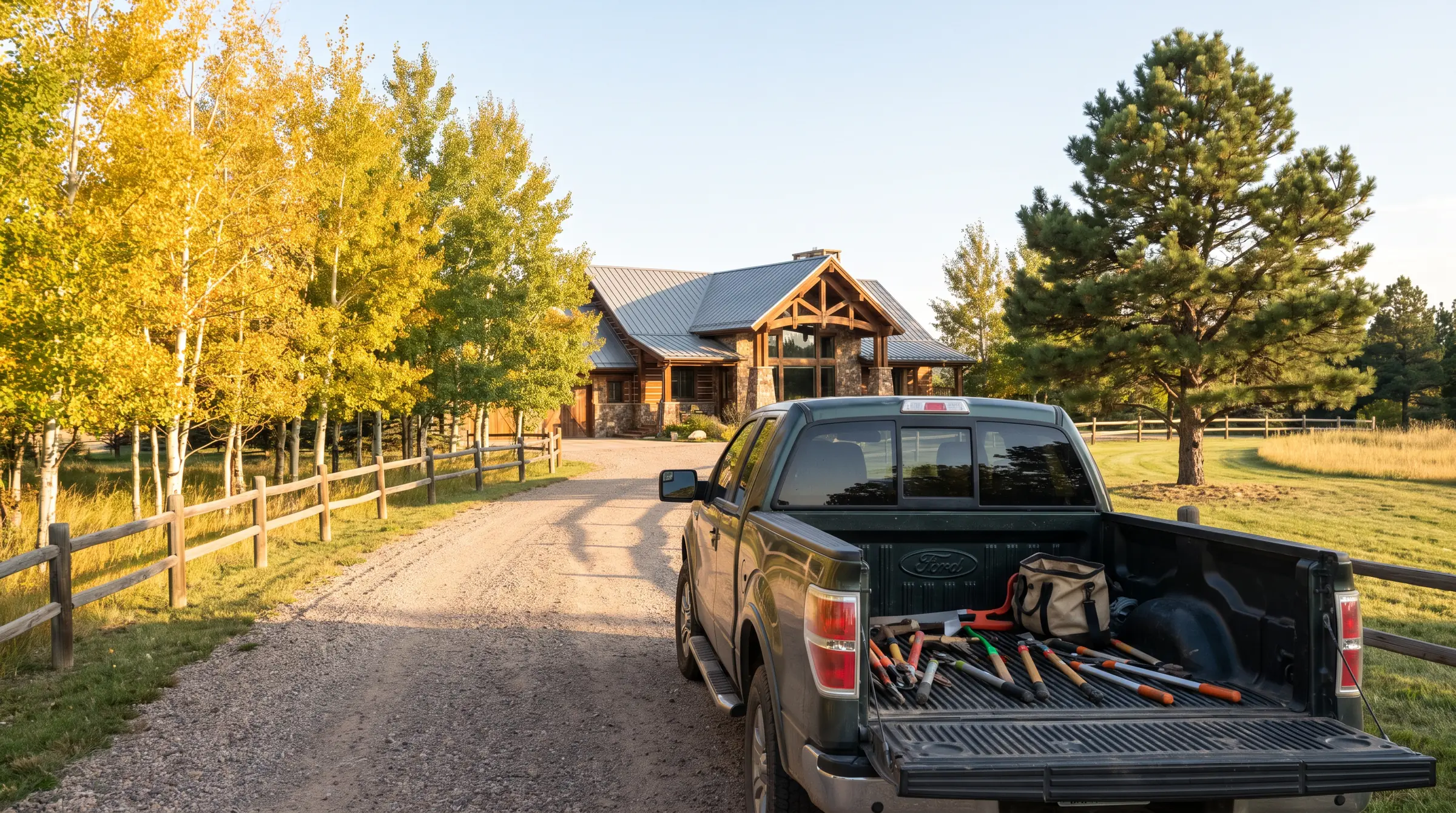
Trees are where outside experts matter most. Emerald ash borer is in Longmont and spreading across Boulder County. The City of Longmont says it will kill ash trees that are not treated, and that dying ash turn brittle.
Local rules decide who can do the work. In the City of Boulder, only companies with a Certified Arborist License may work on public or private trees infested with a major pest such as emerald ash borer. In Longmont, a hired tree removal must be done by a city-licensed contractor, and so must any treatment that uses restricted-use chemicals.
All hardwood firewood in Boulder County, ash included, is under a federal quarantine, so it should not leave the county.
When a property needs that kind of expertise, we help bring in the right people and make sure their work fits the landscape as a whole.
Dry winters and defensible space
Some of the most important care can't be seen. Colorado winters are often dry. CSU Extension advises watering trees, shrubs and perennials in long dry spells, once or twice a month, when the air is above 40 degrees and there is no snow. For trees it suggests about 10 gallons per inch of trunk width, soaked about 12 inches deep under and beyond the branches.
Shallow-rooted trees such as birch, many maples, lindens and mountain ash suffer most, along with new plantings and anything on a south or west side.
On properties near open land, defensible space is ongoing work too. The Colorado State Forest Service says wildfire prep is not a one-time job; the zones around each building need upkeep year after year. Colorado offers a wildfire mitigation income tax credit for tax years 2023 through 2027.
Start with a visit. A walk around your property comes first. Pick a day and time online, or call.
Seasonal maintenance or estate management
Seasonal maintenance
- What it is
- Care visits timed to key points in the year
- Focus
- Plants, soil and irrigation for the season ahead
- Typical work
- Spring cleanup, pruning, deadheading, irrigation checks, nutrients, fall cutback, winter hand-watering
- Planning ahead
- Notes changes and suggests enhancements when they fit
- Other trades
- Not the main focus
- Good fit for
- Gardens that need skilled care through the year
Estate management
- What it is
- Ongoing oversight of the whole property
- Focus
- How every part of the landscape is doing and where it is headed
- Typical work
- Spotting problems early, planning edits and improvements, coordinating specialists
- Planning ahead
- Sets priorities for now, later and someday
- Other trades
- Helps coordinate arborists and other experts
- Good fit for
- Larger properties with many systems, or owners who want one point of contact
Sources 5
- City of Longmont Forestry: Emerald ash borer, resident resources
- City of Boulder: Licensed and Certified Arborists and Tree Contractors
- CSU Extension: Fall and Winter Watering of Plants and Trees (fact sheet 7.211)
- Colorado State Forest Service: Protect Your Home and Property from Wildfire
- CSU Extension: Firewise Plant Materials
Estate management usually leads to seasonal maintenance, landscape enhancements, irrigation and landscape design.
Start with a walk around your property.
We walk the property with you first. Pick a day and time online, or call.