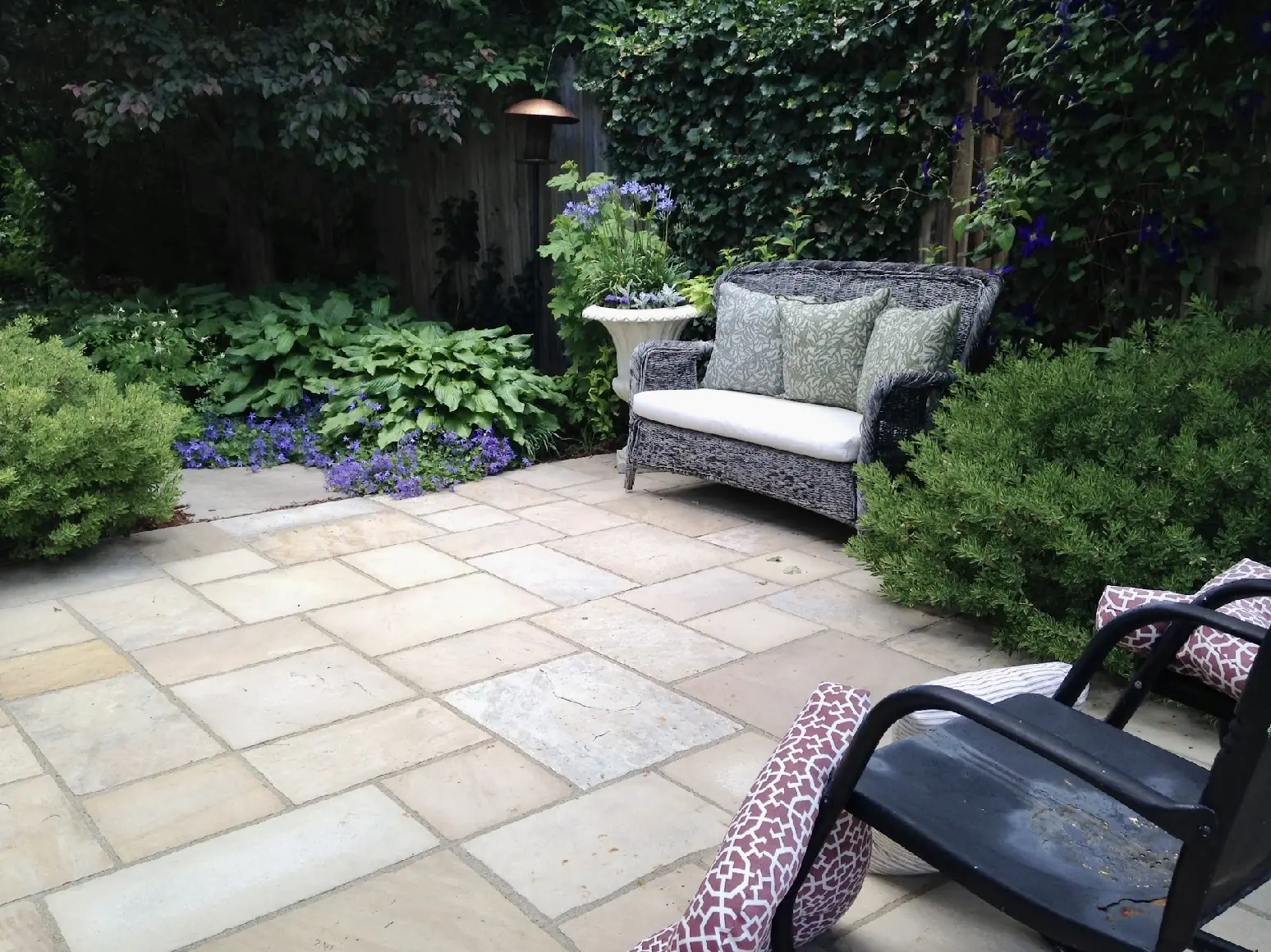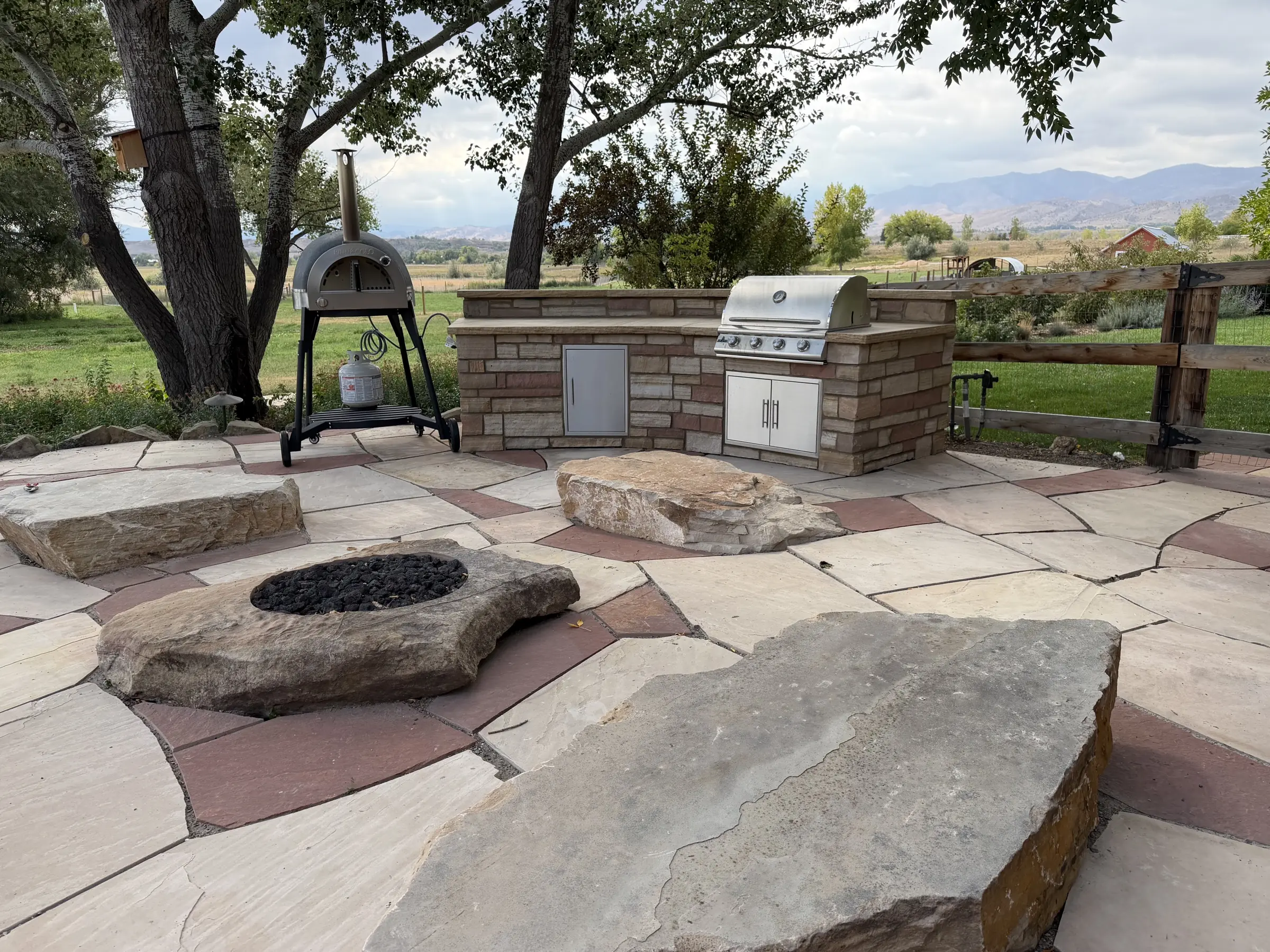









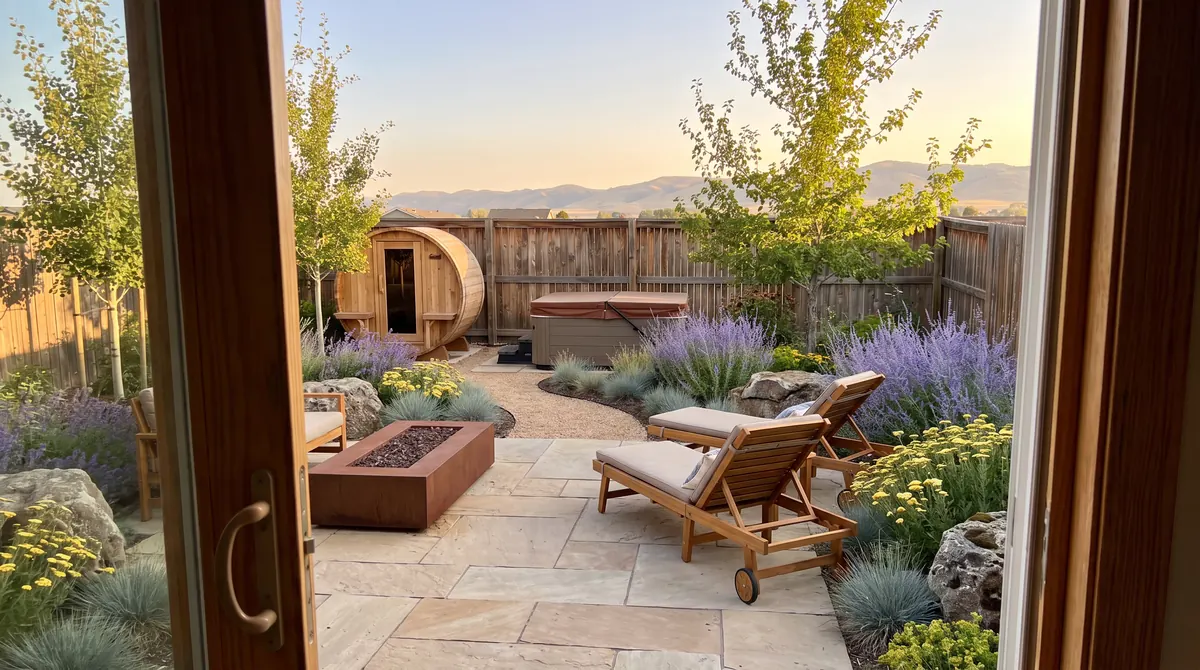
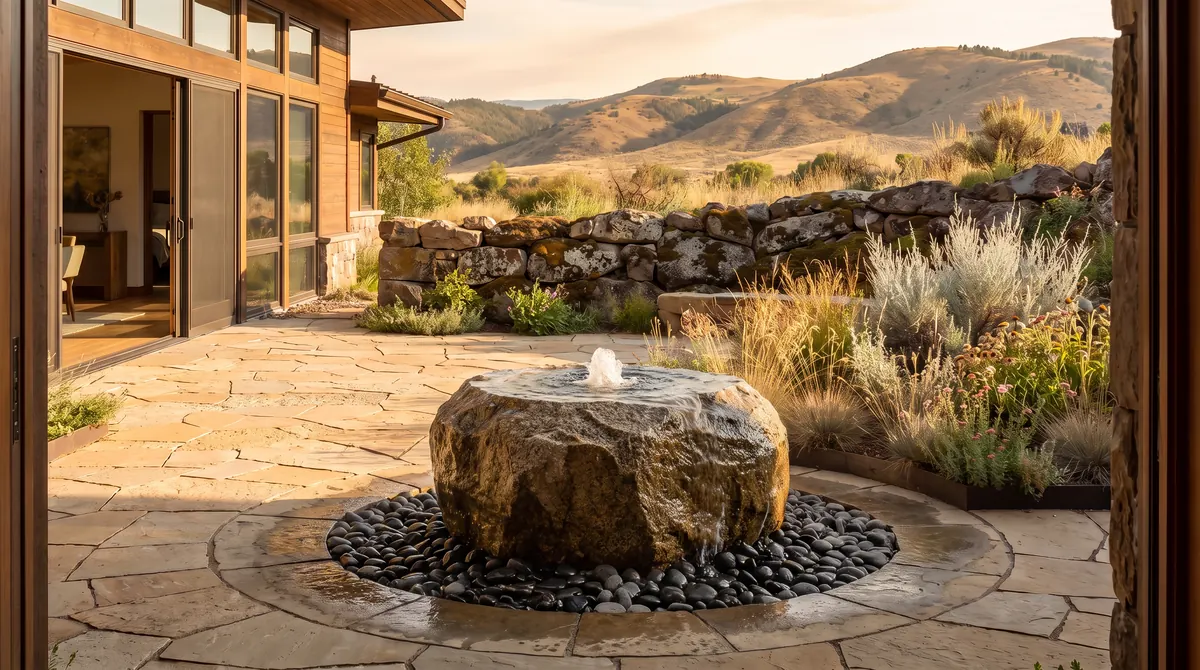
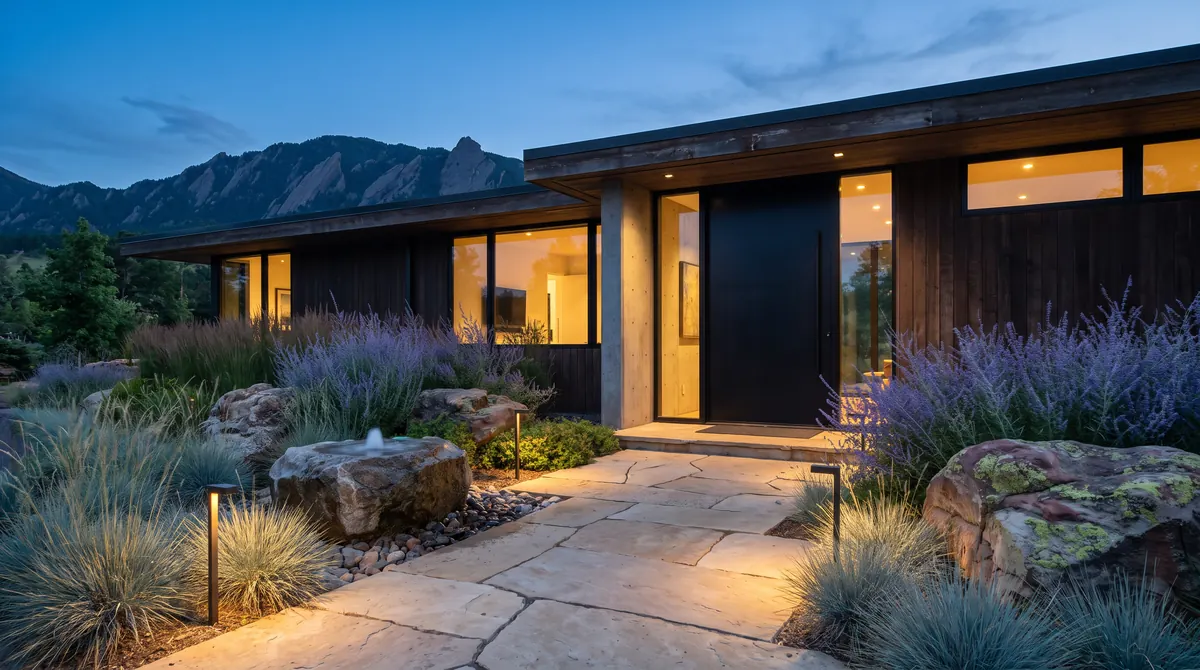

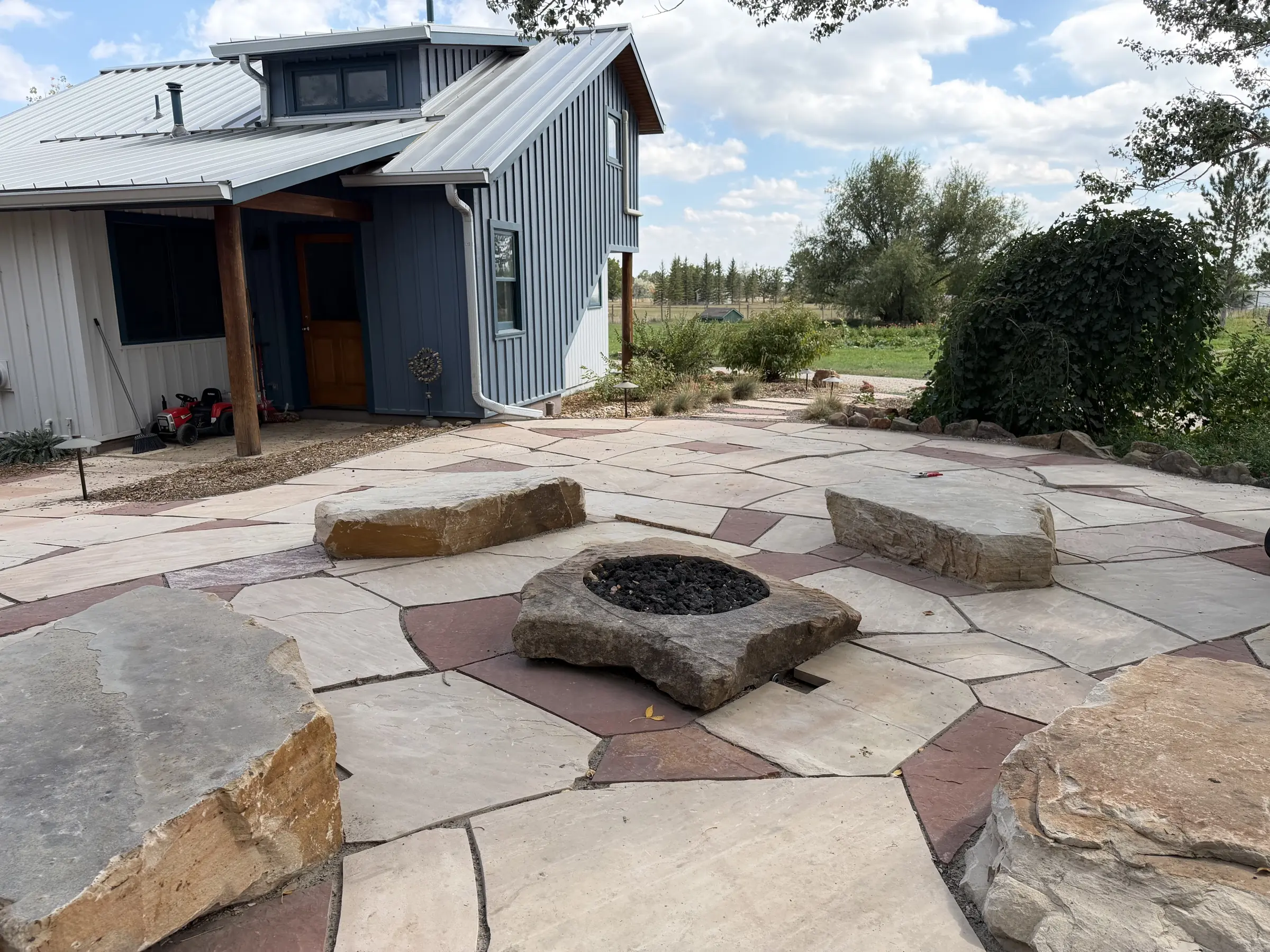
How do the three compare?
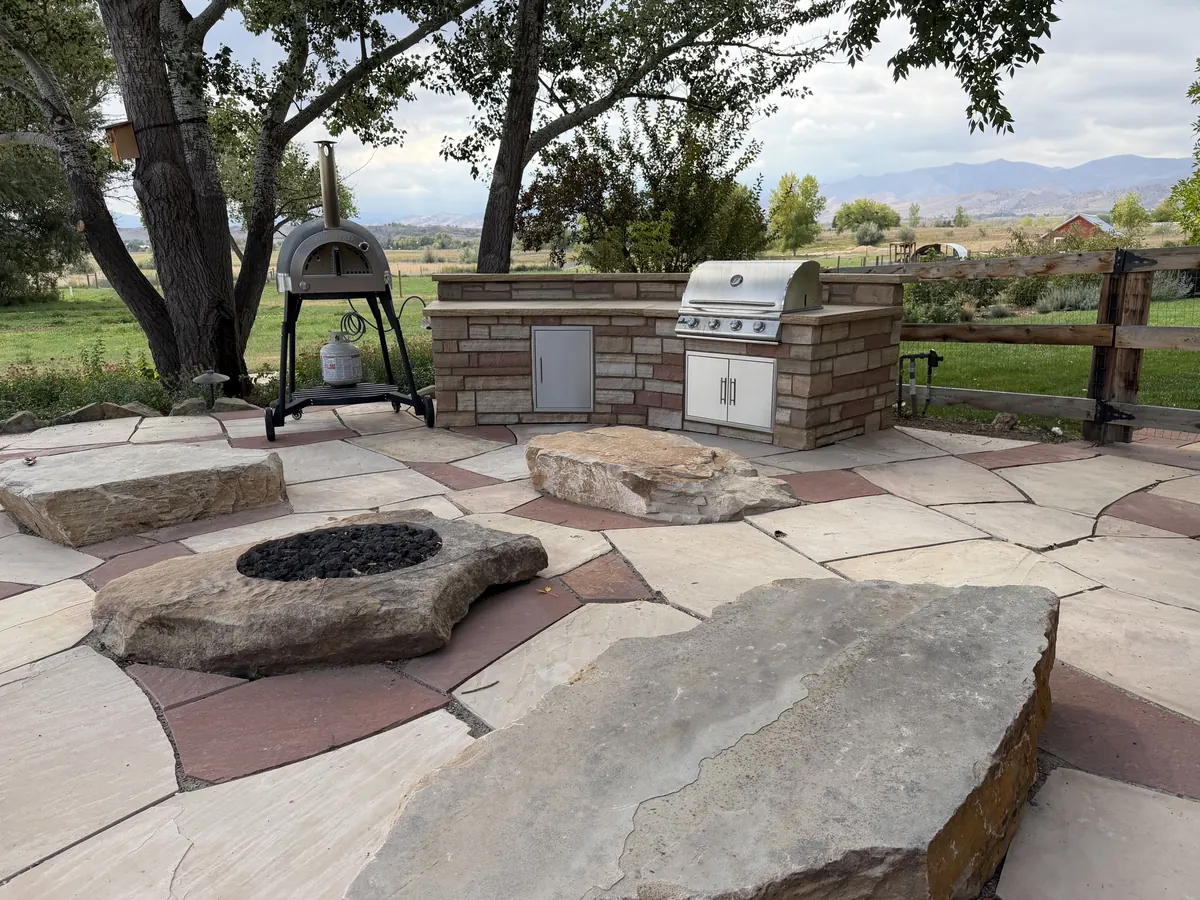
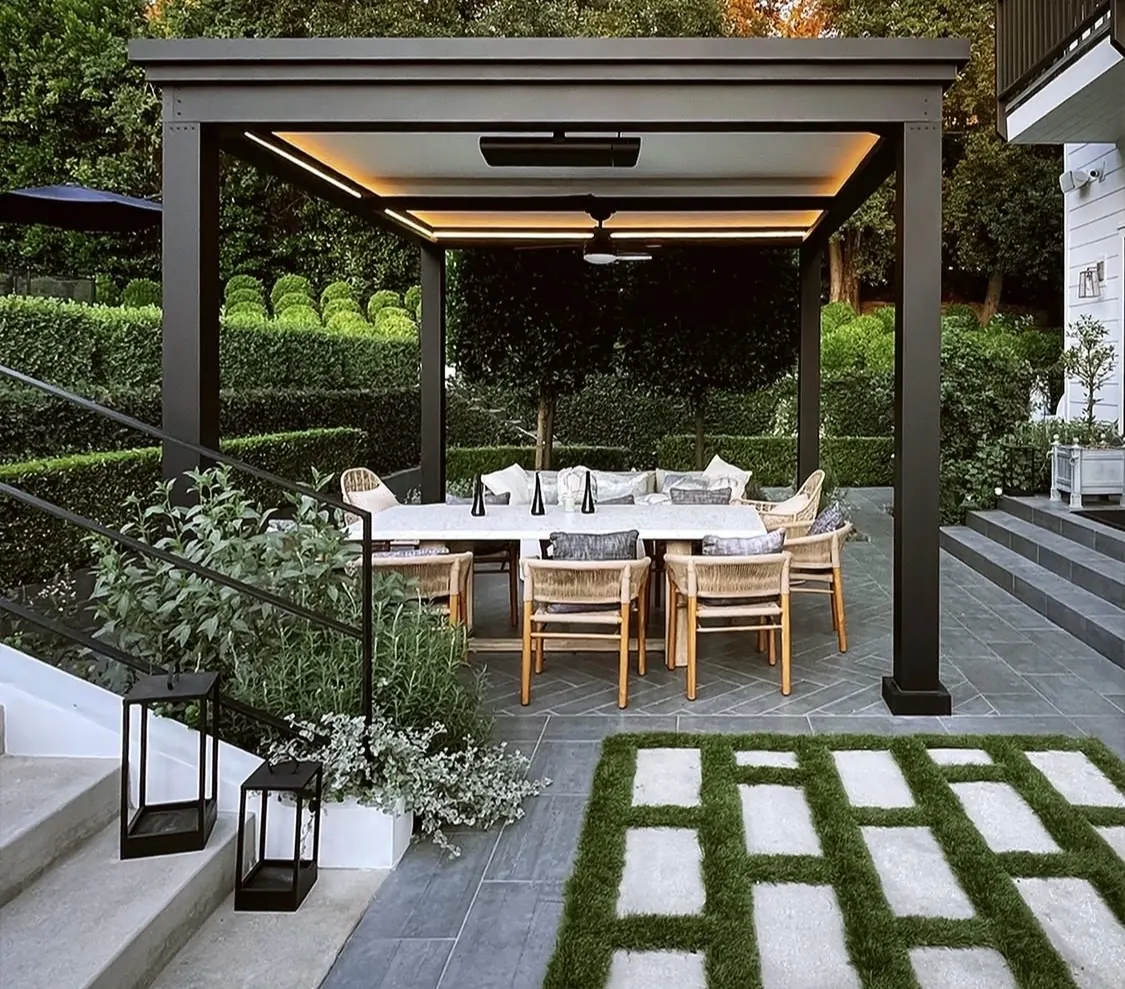
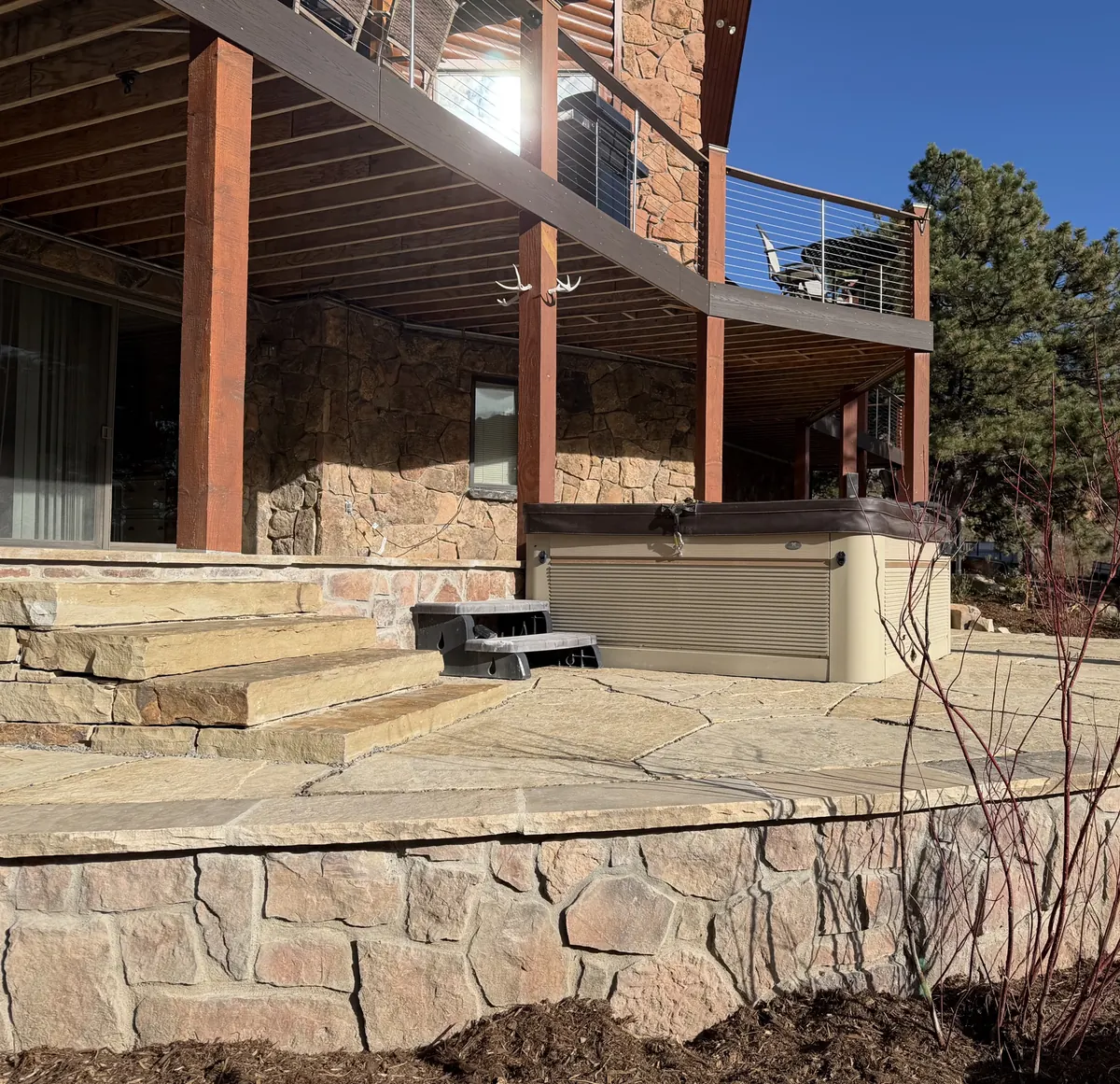
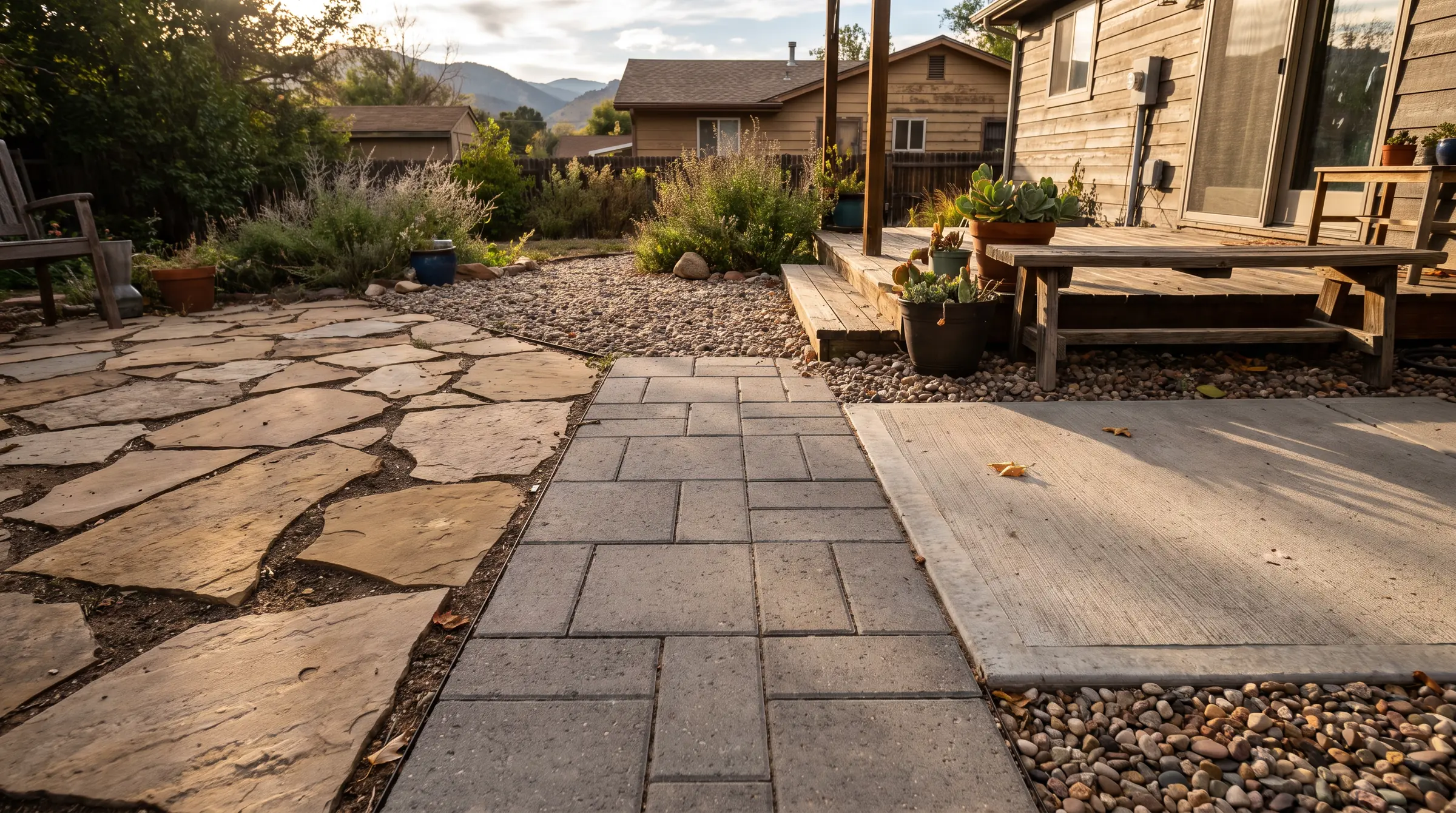
Flagstone is natural stone split into flat slabs. It comes in irregular shapes or cut into squares and rectangles, called an ashlar pattern. Concrete pavers are factory-made units that lock together over a sand bed. Poured concrete is placed wet on site and can be smooth, brushed, colored or stamped.
In this climate, the choice is less about which material is strongest and more about what sits under it, how water leaves it, and how you treat it in winter. The table covers the main points. The sections below explain them.
What does freeze and thaw do to each one?
Water that gets into a surface or the soil below it expands when it freezes. On the Front Range that can happen many nights in a row, followed by sunny days that thaw it out. Each cycle pushes on whatever holds the water.
The Concrete Masonry and Hardscapes Association, or CMHA, says well-made concrete pavers are very durable, because their high density limits how much water and salt gets in. Pavers are tested for freeze-thaw and de-icing salt under the ASTM C936 and C1645 standards. The joints between pavers also let the surface flex a little instead of cracking.
Poured concrete needs the right mix and care to handle freezing. The Pennsylvania Aggregates and Concrete Association, a concrete industry group, says concrete for winter exposure should have entrained air, tiny bubbles that give freezing water room. Ask your builder about it. Flagstone depends on the stone. Dense stone set on a good base holds up well. Soft or layered stone can flake.
Which handles snow and de-icer best?
Every patio here gets shoveled. The bigger question is de-icer. CMHA says rock salt, which is sodium chloride, is the least damaging to concrete materials and should be used when possible. It does not recommend magnesium chloride or calcium magnesium acetate on concrete, because they can break it down. Use only as much as you need.
Plants see it differently. A CSU Extension article says sodium chloride is the most harmful common de-icer for plants, and that chloride also corrodes metal and concrete. If beds sit right next to the patio, shovel first, spread de-icer thin, and pile salty snow away from plants. Sand adds traction without melting, though CMHA does not recommend winter sand on permeable pavers.
New concrete needs extra care. The concrete group above says not to use de-icers on concrete less than a year old, and never to use ones with ammonium sulfate or ammonium nitrate. It also says penetrating sealers made with silane or siloxane give the best protection against de-icers.
- Shovel early and often, before snow packs into ice.
- Use the least de-icer that works.
- Keep salty snow off planting beds.
- No de-icer at all on concrete in its first year.
What has to go under a patio?
The base does most of the work. CMHA gives a minimum of 4 inches of compacted base for patios and walkways, and 6 inches for home driveways, in ideal conditions. Ideal means strong soil, good drainage and no freezing. For each one you don't have, CMHA suggests adding 50 percent more base. The Front Range freezes every winter, and many yards here also have clay soil that drains slowly, so plan for more than the minimum.
Compaction matters as much as depth. CMHA says a plate compactor smaller than 5,000 pounds of force is too small for the job. Flagstone can be laid dry on a compacted gravel base or set in mortar on a concrete slab. Poured concrete also needs a firm, even base below it.
Water has to leave. CMHA calls for a slope of at least 2 percent, about a quarter inch per foot, so water runs off the surface. Slope it away from the house. In the City of Boulder, a new patio changes how much hard surface your lot has, and the city's residential permit guide lists a stormwater form for that. Idlewild's construction team plans grades and drainage as part of the design, before the patio goes in.
How easy is each one to repair?
Pavers are the easiest. CMHA notes that when a base needs fixing, the pavers can be lifted, set aside and reused once the base is rebuilt. Single broken pavers can be swapped out.
Dry-laid flagstone is close behind. A stone that rocks or sinks can be lifted and reset on fresh base. Mortared flagstone is harder, since the joints and the slab below have to be cut out. Poured concrete is the hardest to fix well. Patches rarely match, so a cracked or flaking section is often cut out and replaced between its joints.
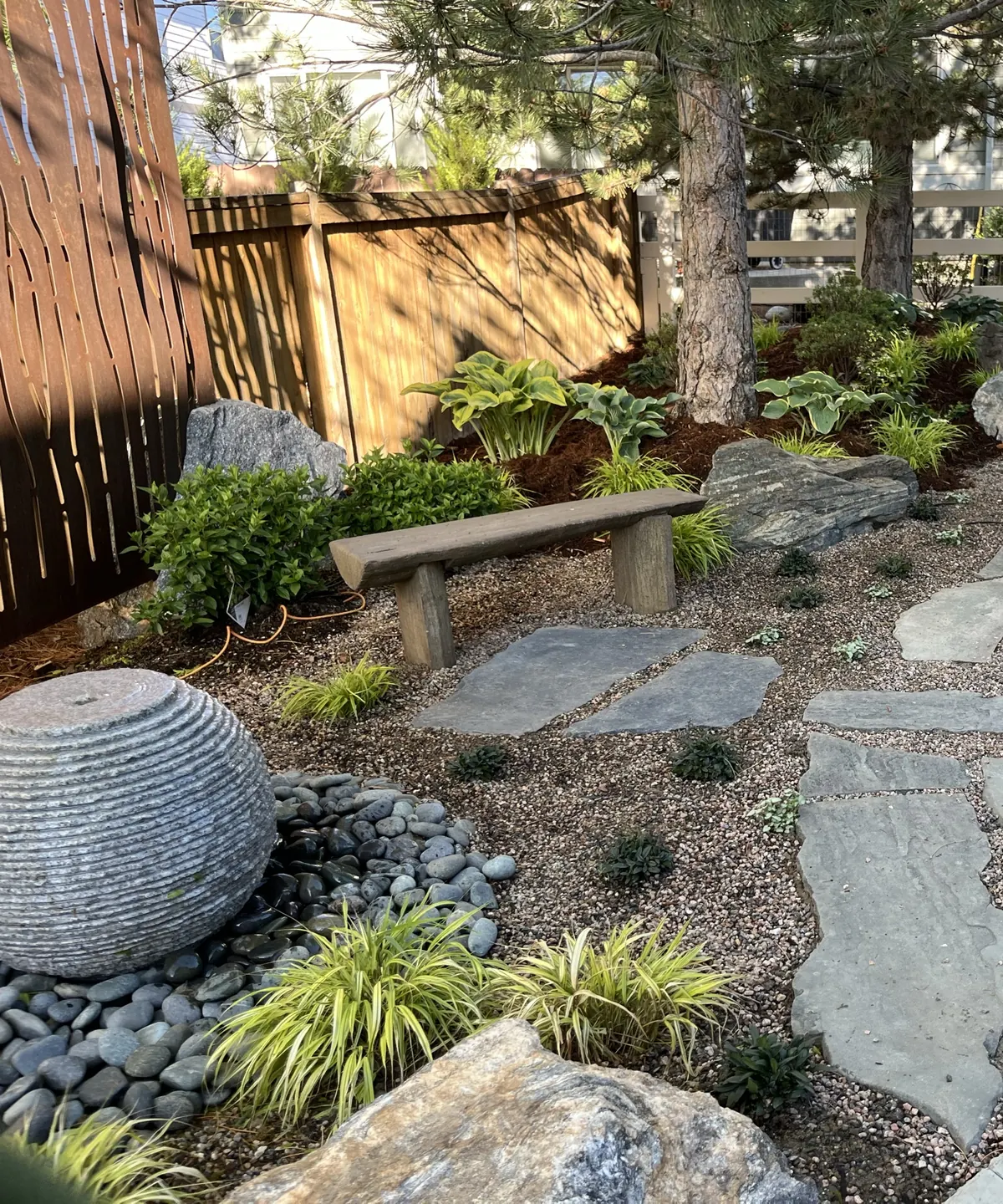
Flagstone, concrete pavers and poured concrete in a Colorado yard
| Flagstone | Concrete pavers | Poured concrete | |
|---|---|---|---|
| Look | Natural stone; irregular or cut ashlar shapes; color varies stone to stone | Even shapes and colors; many patterns | Smooth, brushed, colored or stamped; large clean pads |
| Freeze and thaw | Depends on the stone; dense stone on a good base holds up | Dense units tested for freeze-thaw; joints let the surface flex | Needs the right mix with entrained air; can crack or flake |
| Snow and de-icer | Shovel well; use little de-icer | Rock salt least harmful to the pavers; skip magnesium chloride | No de-icer in year one; never ammonium-based products |
| Repair | Reset single stones if dry-laid | Lift and reuse pavers; swap broken ones | Patches show; sections are often replaced |
| Base needs | Compacted gravel base, or a slab if mortared | At least 4 inches for patios in ideal conditions; more for clay, poor drainage or freezing | Firm, even compacted base |
| Slope | Slope away from the house | At least 2 percent | Slope away from the house |
Questions
Which patio material costs the least?
It depends on the stone or finish, the base your soil needs, and how easy the yard is to reach. Idlewild talks through cost early in design, with your investment range in mind, so you can compare options on paper.
Can I use ice melt on a new concrete patio?
Not in its first year. A concrete industry group advises no de-icers on concrete less than a year old. Use a shovel and sand for traction instead.
Is a 4-inch base enough in Colorado?
Usually not. CMHA's 4-inch minimum is for ideal conditions. It suggests 50 percent more base for each problem: weak soil, poor drainage or freezing.
Do pavers heave in winter?
They can when water sits in the base and freezes. A thick, well-compacted base and a surface that slopes water away are the best defense.
Should I seal a concrete patio?
Many builders do. A concrete industry group says penetrating sealers made with silane or siloxane give the strongest protection from de-icers and freeze-thaw.
Sources 5
- The Effects of Deicing Chemicals on Interlocking Concrete Pavers, PAV-FAQ-001 (Concrete Masonry & Hardscapes Association)
- Proper Concrete Paver Base and Depth: What to Know and Why It Matters (CMHA, 2025)
- Deicing Impacts on Plants, Dogs, and Sidewalks (CSU Extension CO-Horts blog, 2018)
- Protecting Concrete From Deicer Damage (Pennsylvania Aggregates and Concrete Association)
- Residential Building Permit Guide (City of Boulder)