

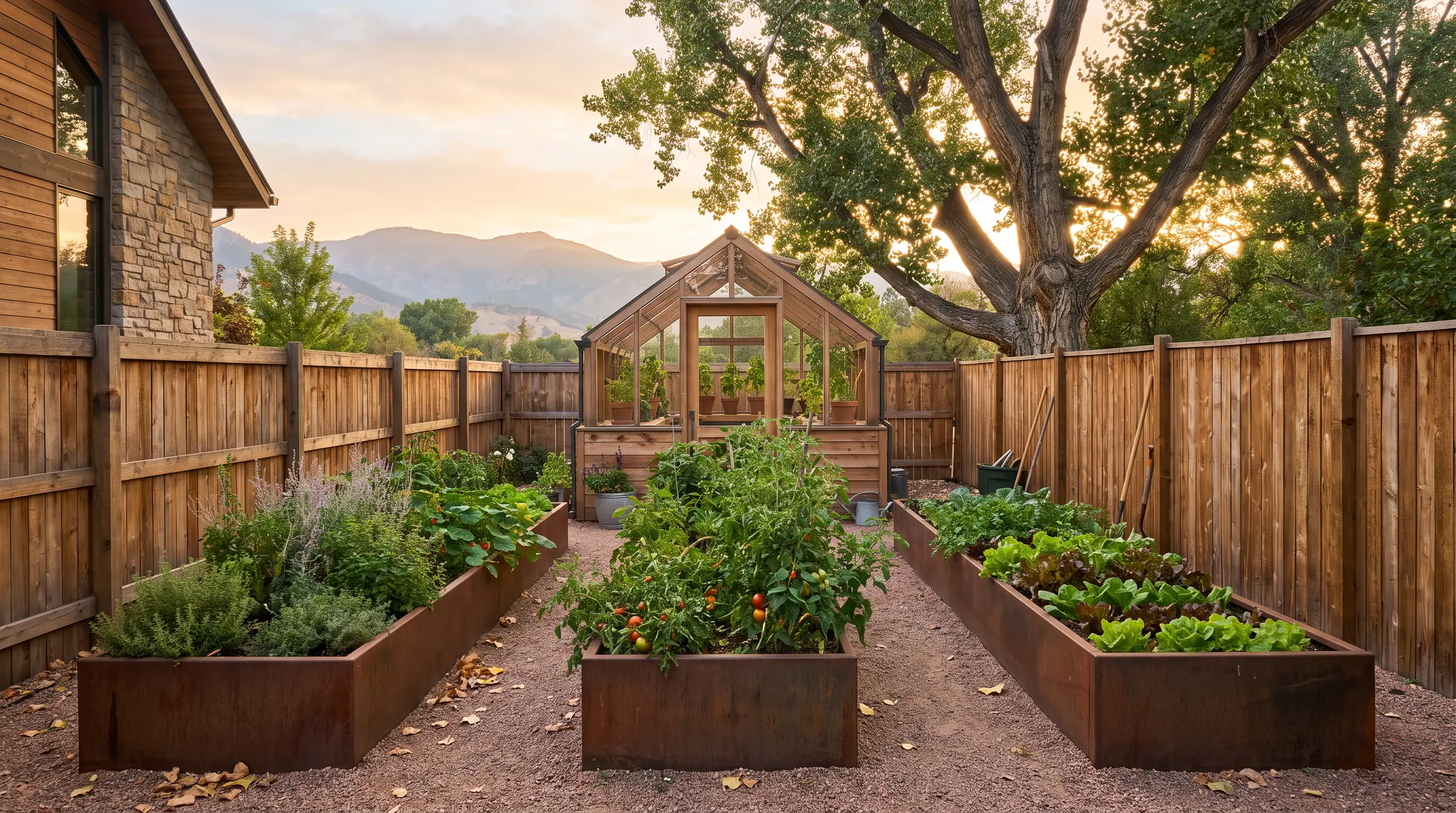
When are the last and first frosts in Boulder?
NOAA's Physical Sciences Laboratory in Boulder keeps a long frost record for the city. It counts a frost as a night at 32 degrees or colder. From 1948 through 2025, the last spring frost came on May 5 on average, and the middle date was May 3. The first fall frost averages October 6.
Averages hide the swings. The earliest last frost on that record was April 3, in 2012. The latest was June 3, in 1951. In fall, the first frost has come as early as September 8, in 2020. So an average date is a guide, not a promise. Watch the forecast and keep a frost cloth handy in May.
Your own yard may run colder or warmer than the official station. Low spots, north sides of houses and open areas often frost first. Warm walls and south-facing beds often frost last.
When should I plant trees and shrubs?
The Colorado State Forest Service names two good windows for trees. Spring runs from March 15 to June 15. Early fall runs from September 1 to October 15. In fall, the ground is still warm enough to dig, and new trees can start growing roots before cold weather sets in.
CSU's PlantTalk Colorado ranks fall as second best here, behind spring. It says to finish fall planting by the end of October. Evergreens carry more risk in fall, because their needles stay out in the dry wind all winter.
Whenever you plant, water deeply right away. PlantTalk suggests a 3-inch layer of wood chips or pine needles that reaches at least a foot past the root ball. Then water again to settle it.
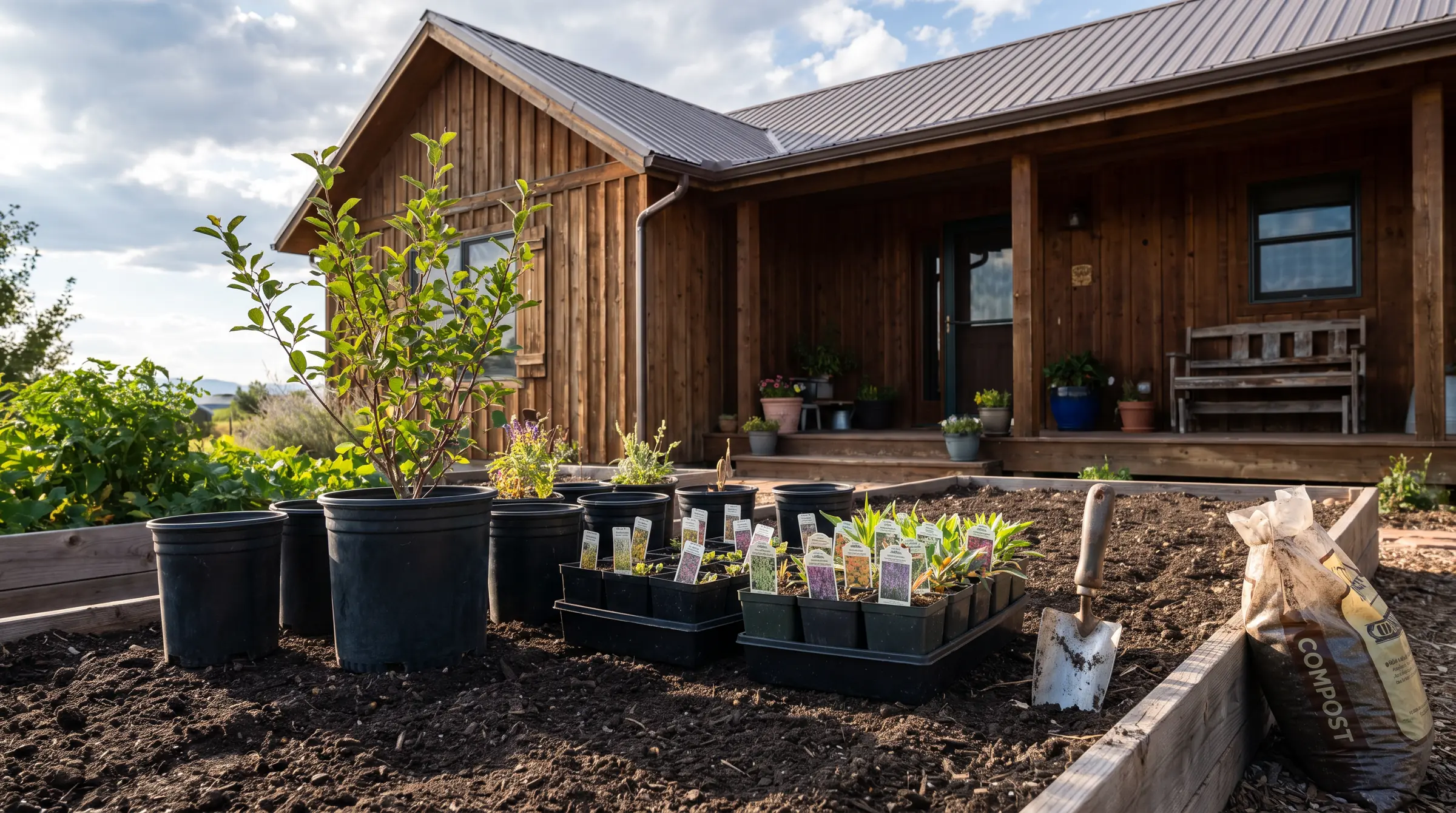
When do perennials, grasses and bulbs go in?
Plants that can't take frost, such as annual flowers and vegetables, should wait until frost risk has passed. In Boulder that usually means mid-May or later. Hardy perennials from pots can go in from spring into early fall. CSU's winter watering fact sheet lists late-planted perennials among the plants most at risk in a dry winter, so give fall plantings extra care.
Ornamental grasses split into two groups. Warm-season grasses, such as switchgrass and big and little bluestem, are best divided and moved in spring before growth starts, according to PlantTalk. Cool-season grasses, such as blue oat grass, blue fescue and feather reed grass, can be divided in late summer and fall. They need regular water and mulch through fall and winter.
Spring bulbs go in during fall. PlantTalk says mid-September to late October is best at most elevations, so roots can grow before the soil freezes. Plant them three to four times as deep as the bulb is wide, and about two inches deeper in sandy soil.
- March to mid-June: trees and shrubs, while the weather stays mild.
- After mid-May: annuals, vegetables and other tender plants.
- Spring: divide and plant warm-season grasses.
- Late summer and fall: divide cool-season grasses.
- September 1 to October 15: fall tree planting window.
- Mid-September to late October: spring bulbs.
- December to March: water on mild, dry days.
Is fall planting a good idea here?
It can be. Fall brings warm soil and cool air, which is easier on roots than a hot June. Trees also need less care while they sit dormant over winter, as CSFS notes.
The catch is Colorado's dry winter. Roots can't grow well in dry soil, and wind pulls water out of stems and needles. Fall planting works when someone keeps an eye on soil moisture through the winter. The City of Boulder also suggests avoiding planting in midsummer, so spring and early fall are the two seasons to aim for.
How do I water new plants through winter?
CSU's fall and winter watering fact sheet gives clear rules. Water only when the air and soil are above 40 degrees and there is no snow on the ground. Water at midday, so it soaks in before the night freeze. In long dry spells without snow, water about once or twice a month.
Newly planted trees are the most likely to be hurt by winter drought. CSU suggests about 10 gallons of water for each inch of trunk width, measured 6 inches above the ground, so a 2-inch tree gets about 20 gallons. Let it soak in slowly, about 12 inches deep. New shrubs, late-planted perennials and lawns on south or west sides are at higher risk too.
PlantTalk adds a simple trigger. From December through March, water on a mild day once three weeks have passed without snow, or when the snow has melted off. Idlewild's seasonal maintenance includes winter hand-watering of trees, shrubs and perennials during dry spells.
Frost dates in Boulder (NOAA Physical Sciences Laboratory; frost means 32 degrees F or colder)
| Average | Middle date | Earliest | Latest | |
|---|---|---|---|---|
| Last spring frost (1948 to 2025) | May 5 | May 3 | April 3 (2012) | June 3 (1951) |
| First fall frost (1948 on) | October 6 | October 6 | September 8 (2020) | October 31 (1963) |
Questions
Is Mother's Day safe for planting annuals in Boulder?
Often, but not always. Boulder's average last frost is May 5, yet frosts have come as late as June 3. Check the forecast and cover tender plants on cold nights.
What is the latest I can plant a tree in fall?
CSFS puts the fall window at September 1 to October 15. CSU's PlantTalk says to finish fall planting by the end of October.
Should I water in winter if there is snow on the ground?
No. CSU says to water only when there is no snow cover and the air and soil are above 40 degrees, and to water at midday.
When should I plant tulips and daffodils?
From mid-September to late October, so the bulbs can root before the ground freezes. Plant them three to four times as deep as the bulb is wide.
When should I start my sprinkler system in spring?
The City of Boulder suggests May or June, not April. Hand-water trees and new plants in the meantime if spring is dry.
Sources 8
- Last Day of Spring Frost in Boulder (NOAA Physical Sciences Laboratory)
- First Day of Frost in Boulder (NOAA Physical Sciences Laboratory)
- Fall is ideal time to plant trees (Colorado State Forest Service, 2025)
- 1707 Fall Planting (PlantTalk Colorado, CSU Extension)
- 1086 Fall Bulb Planting for Spring Blooms (PlantTalk Colorado)
- 1068 Dividing Ornamental Grasses (PlantTalk Colorado)
- Fall and Winter Watering, fact sheet 7.211 (CSU Extension)
- Water Conservation (City of Boulder)