Landscape enhancements for yards that are almost there
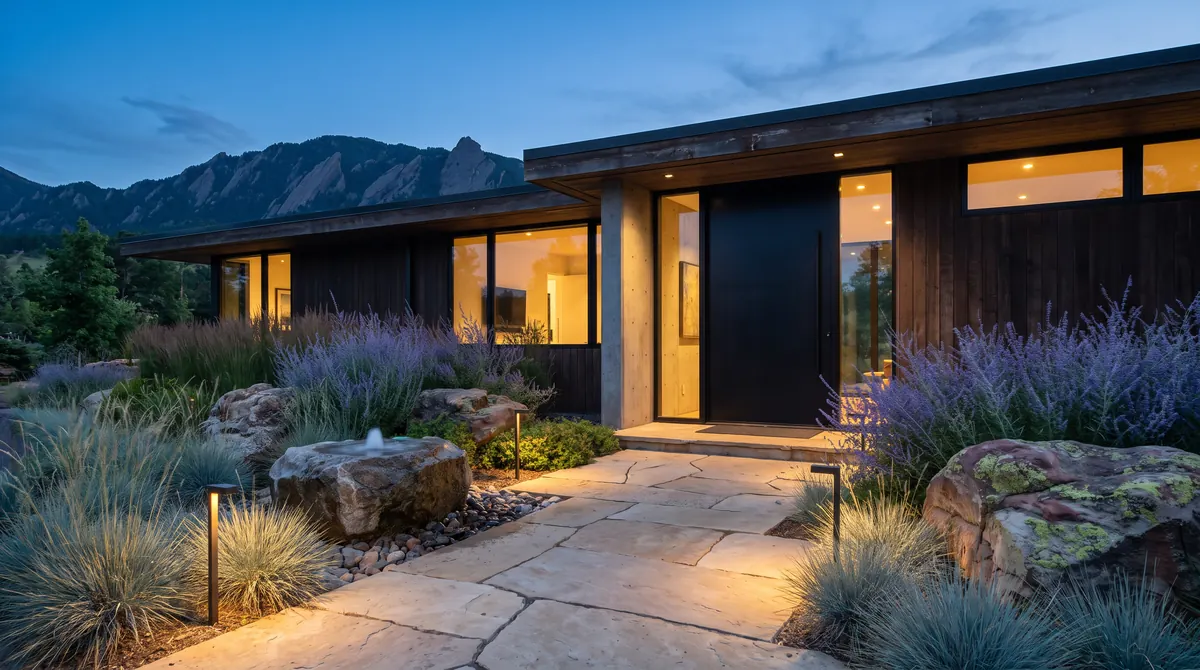
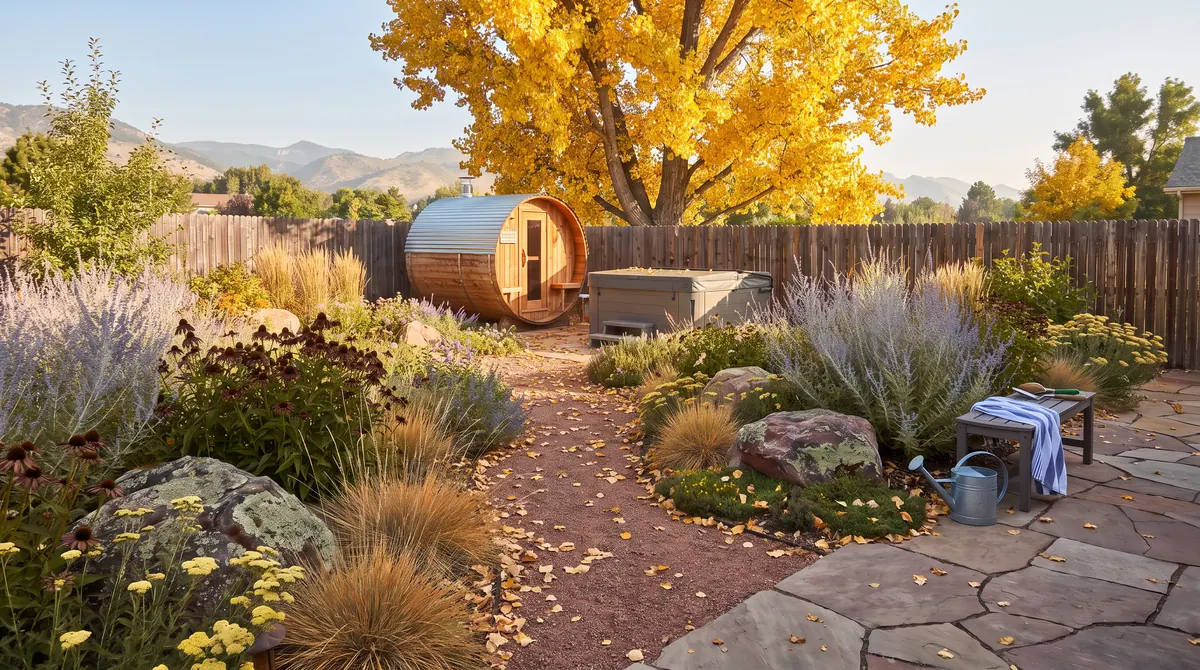
Landscape enhancements are focused additions to a yard that already works: new planting, a path, a patio, a fire or water feature, lighting, privacy or better irrigation. Idlewild Landscape Design does them for homes in Boulder County and nearby towns, and we can often do them without a full design.
The short version
- We add
- Planting, paths, patios, fire, water, light
- Planning
- Often a visit and a clear approach
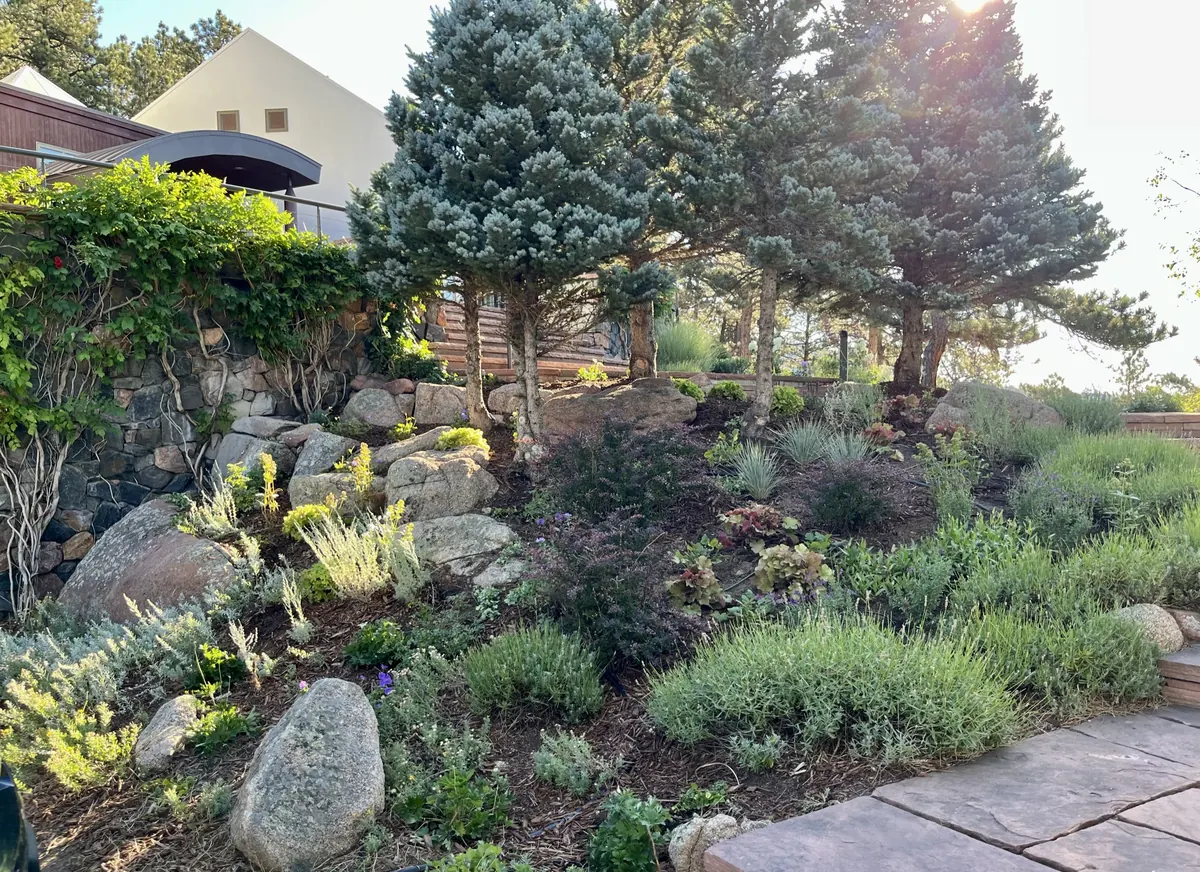
Keep what works and fix what doesn't: established trees and good stone become the base.
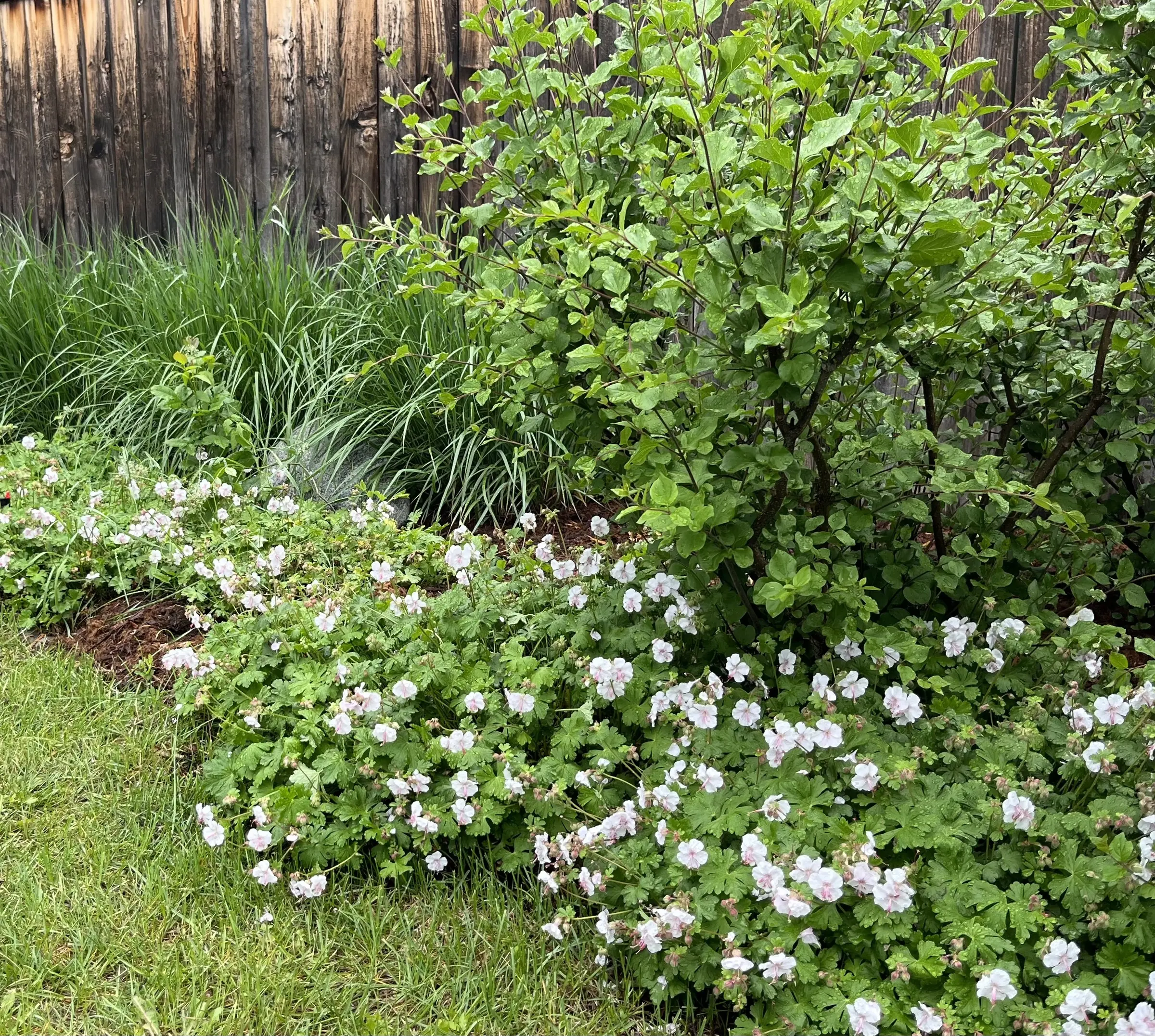
Trading some lawn for planted beds on drip is a common way to cut outdoor water use.
A new bed needs its own drip zone, since drip and sprinklers can't share one.
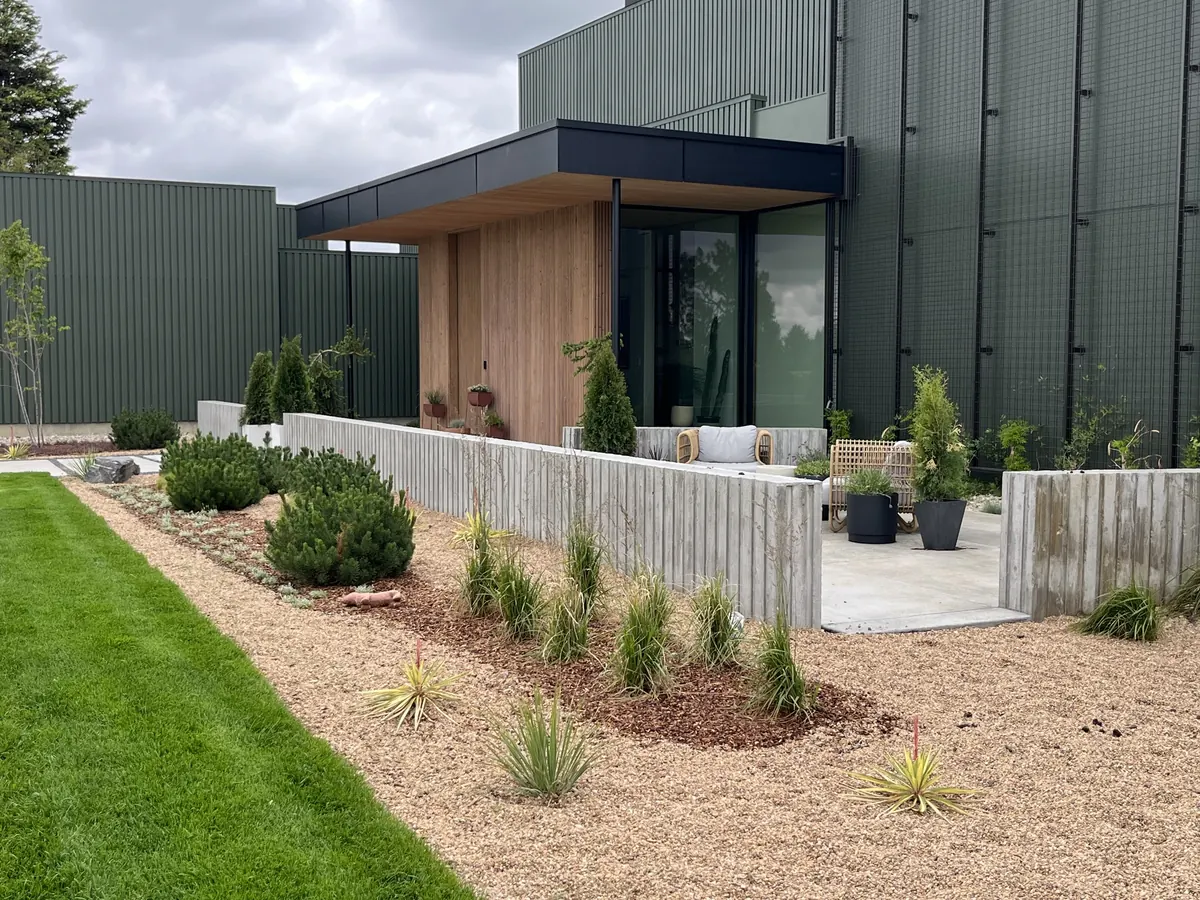
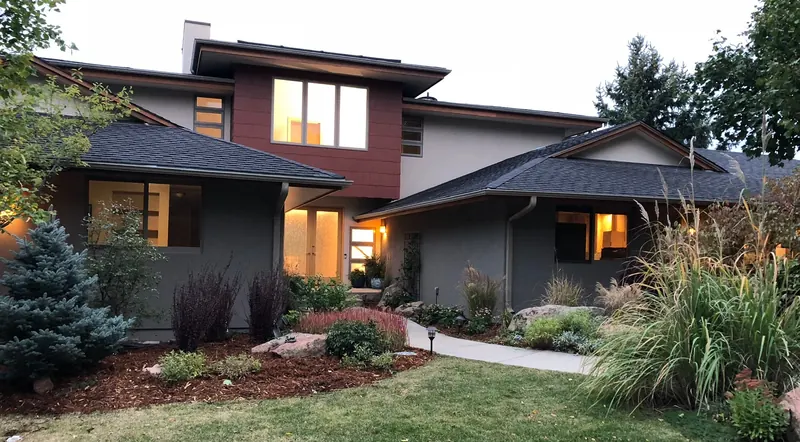
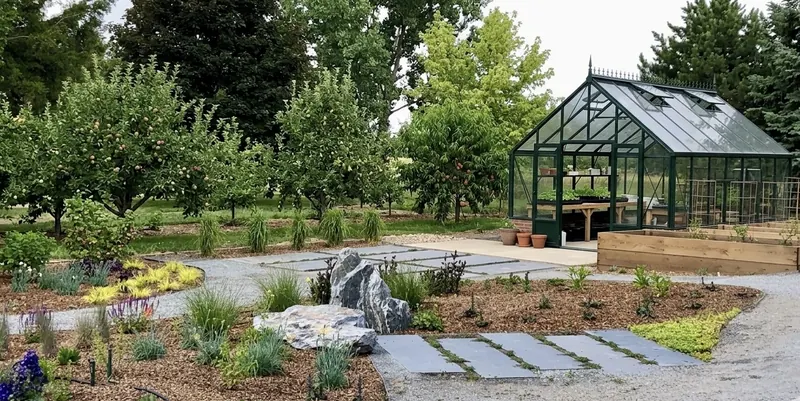
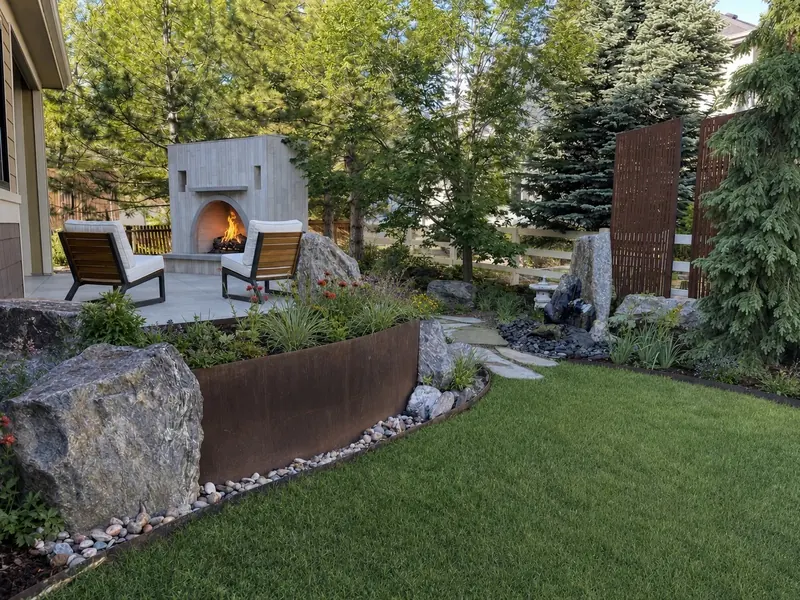
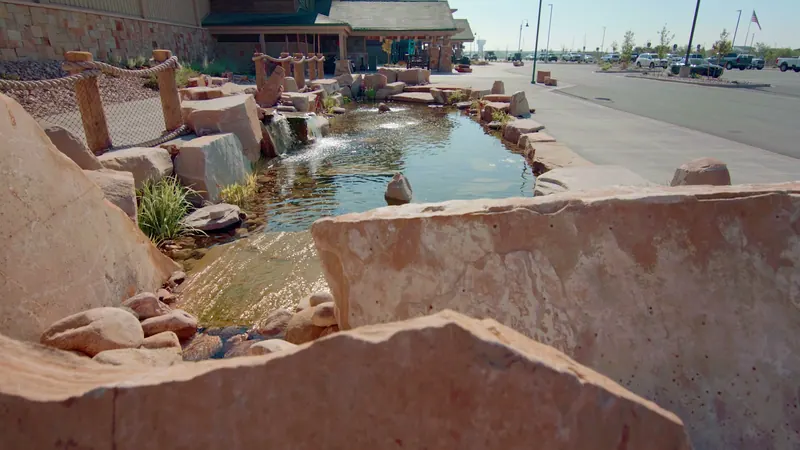
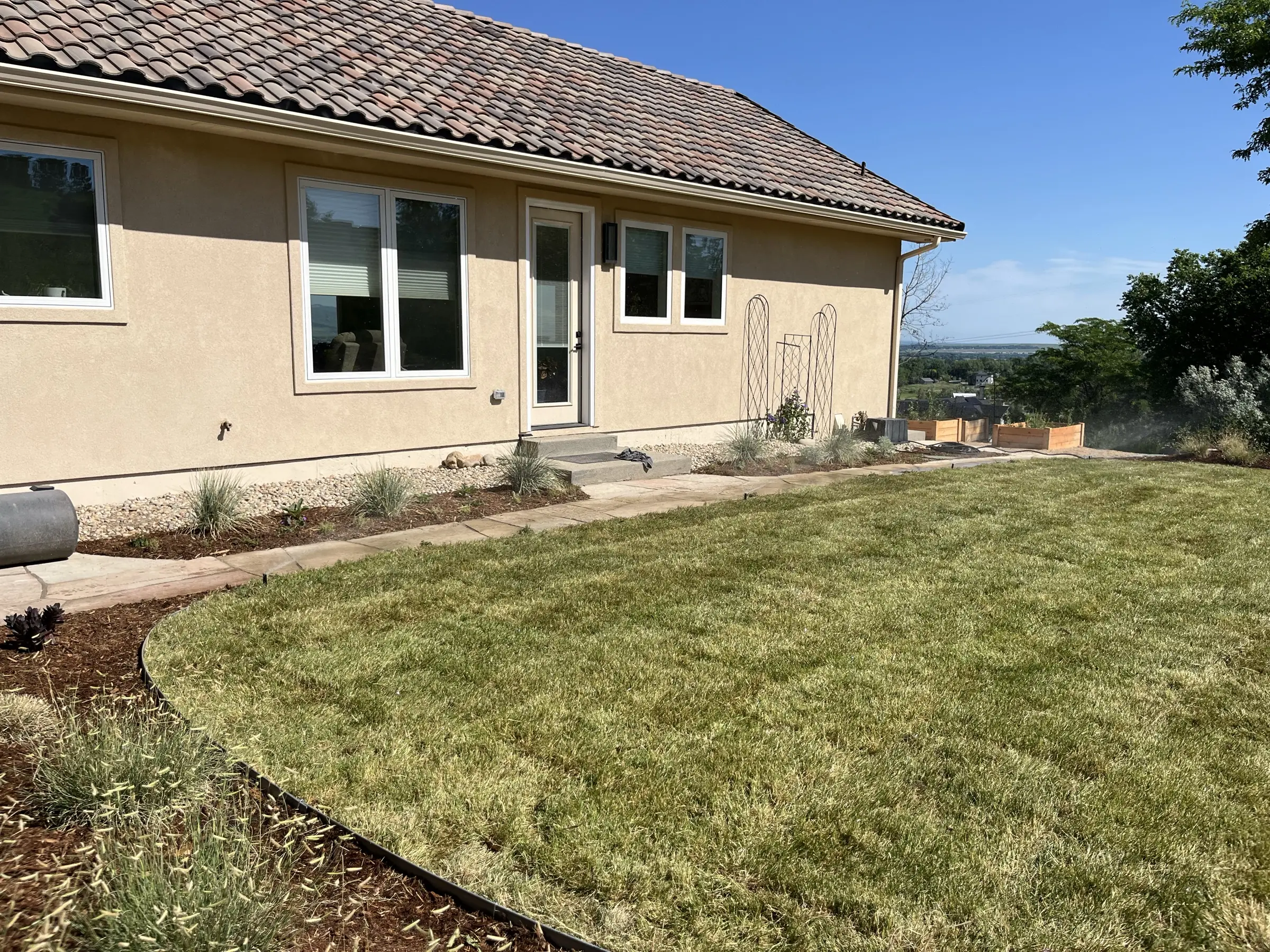
Two yards, before and after
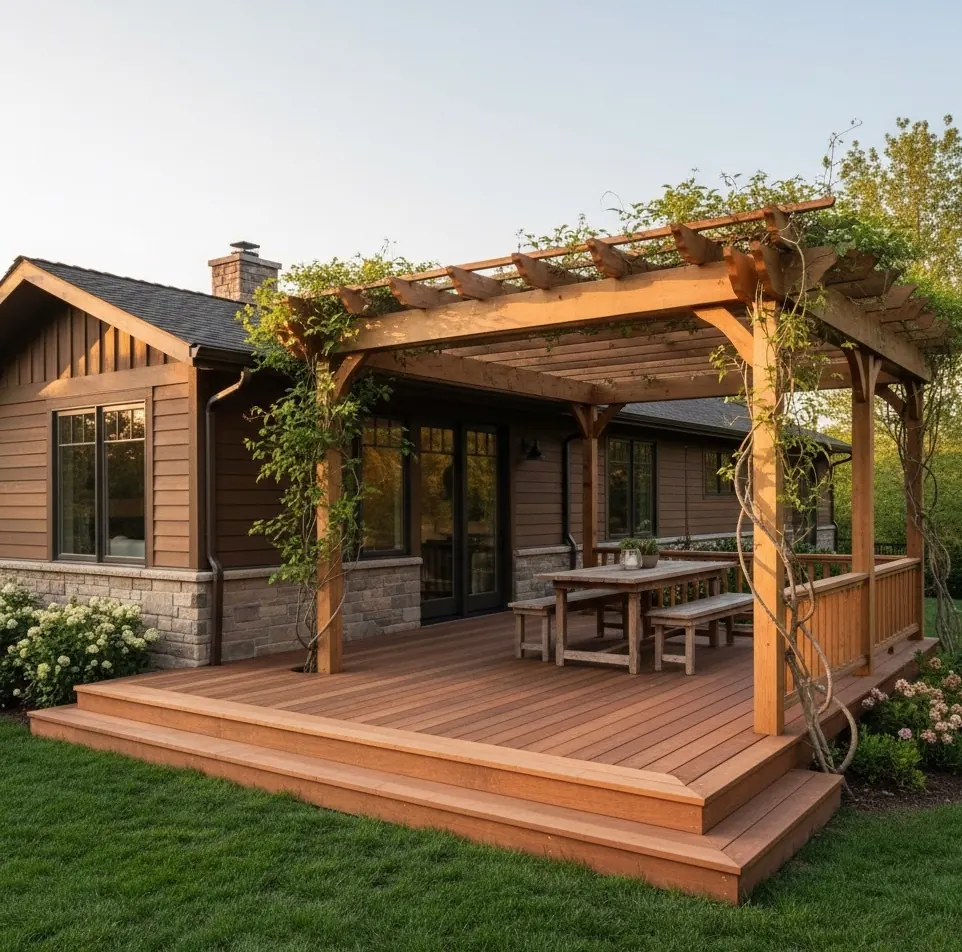
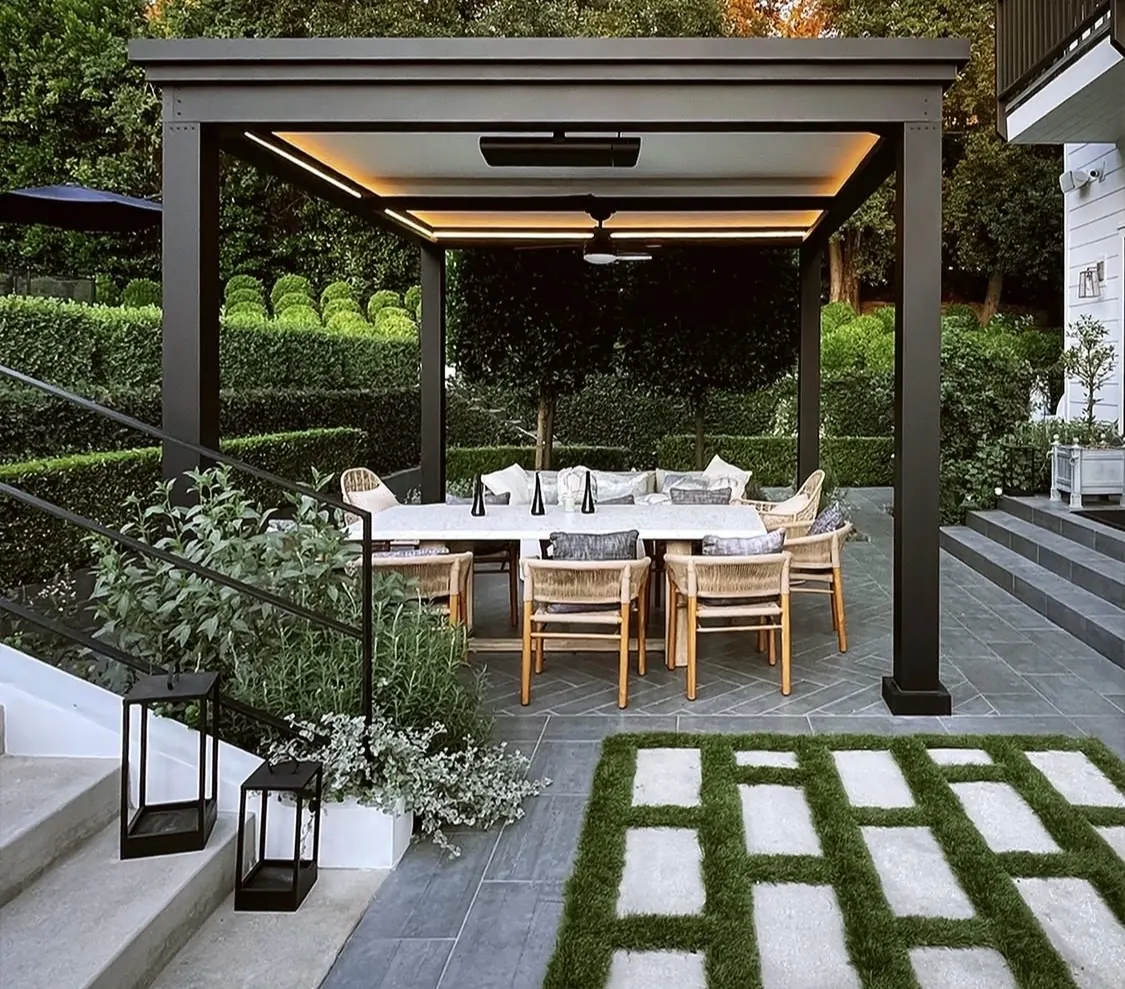
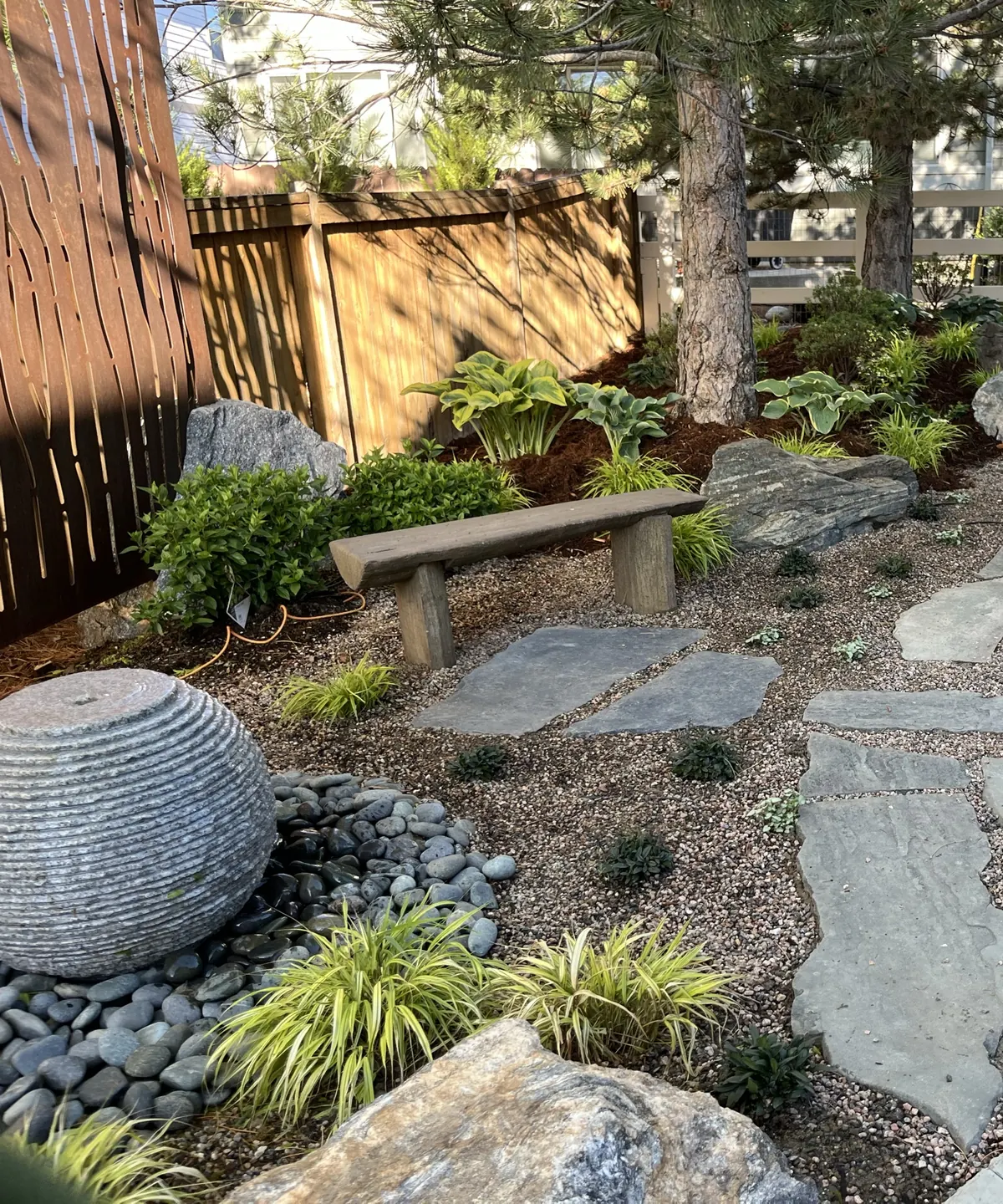
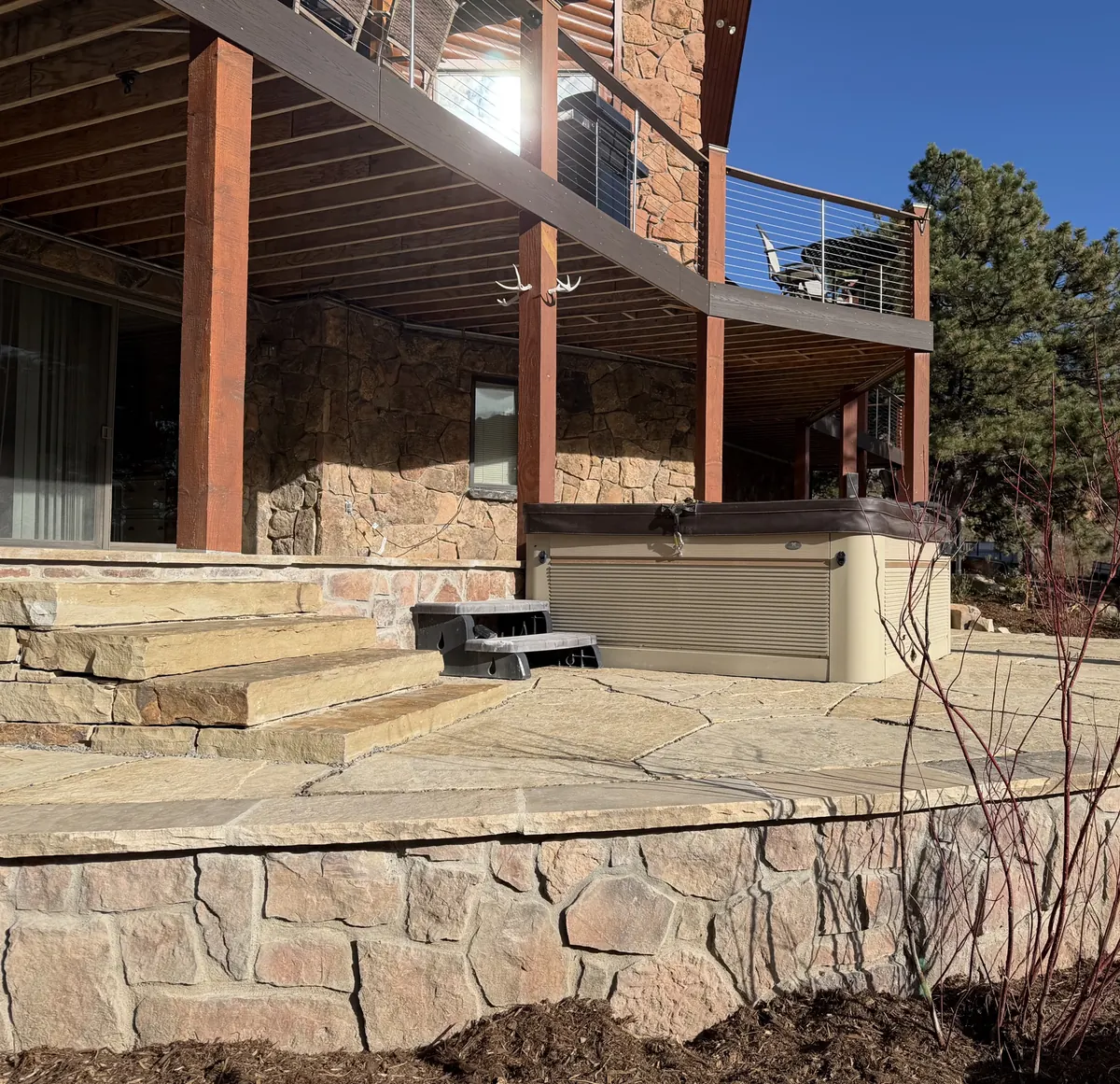
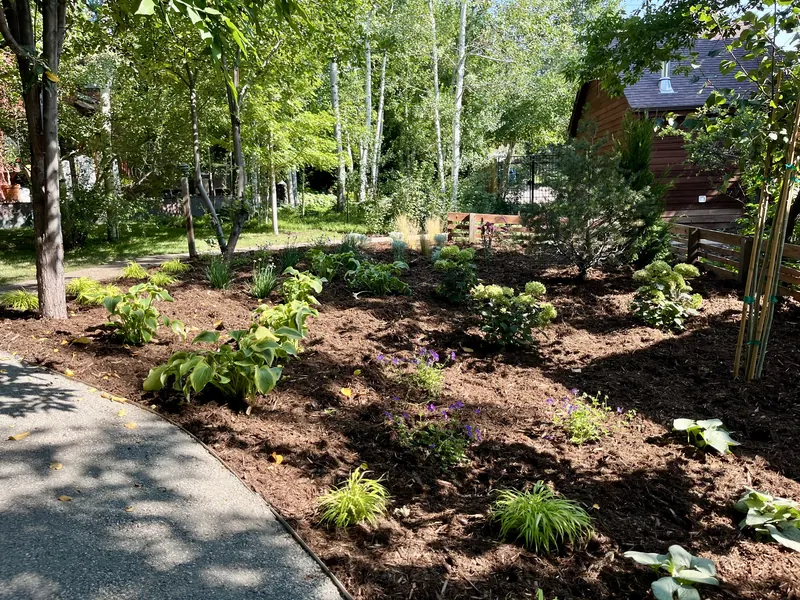
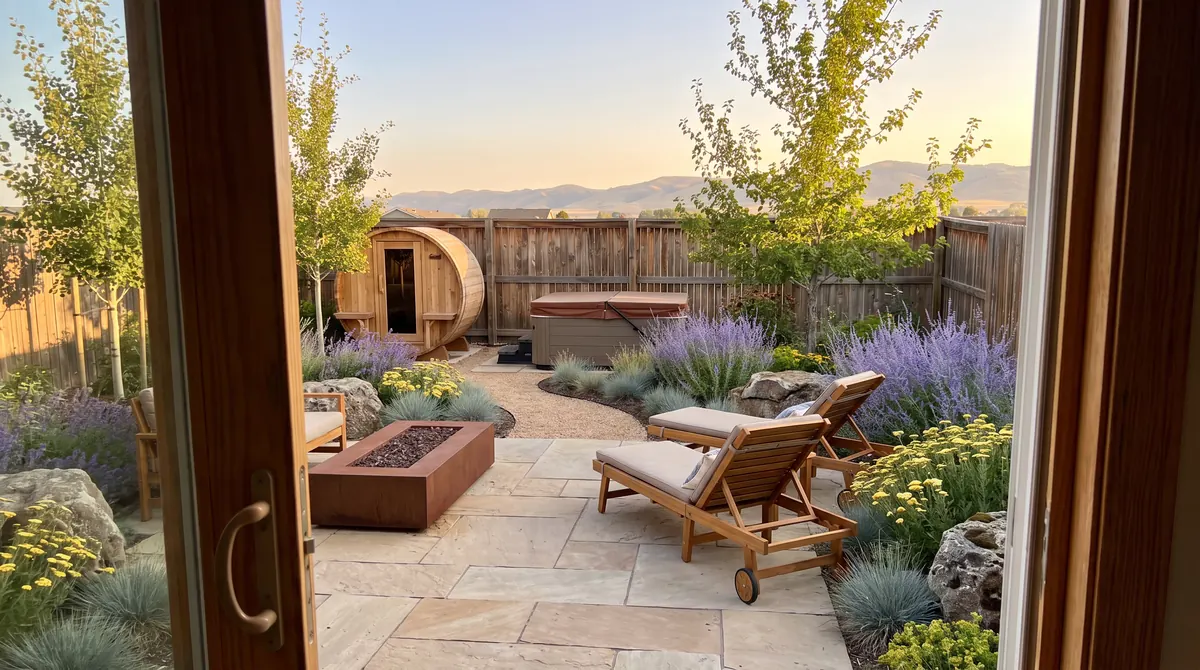
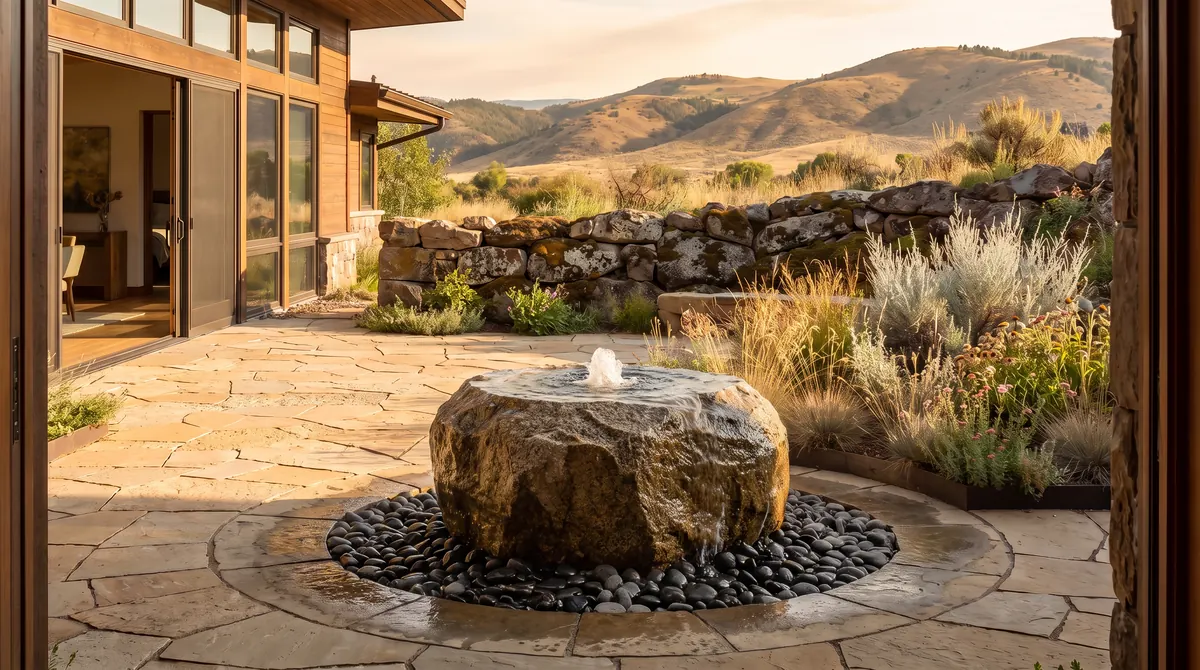
Focused changes to yards that mostly worked. Drag across each photo to compare.
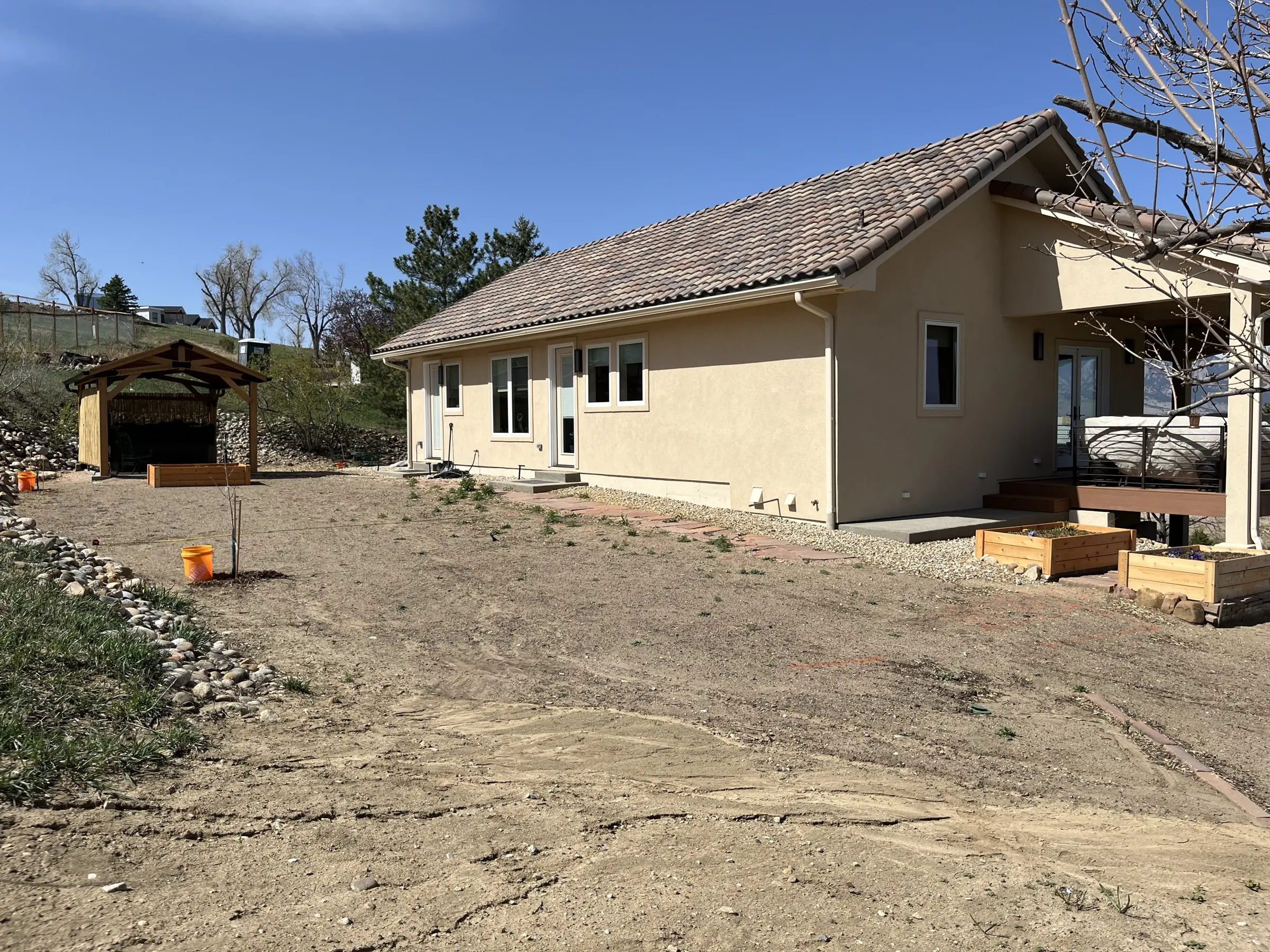
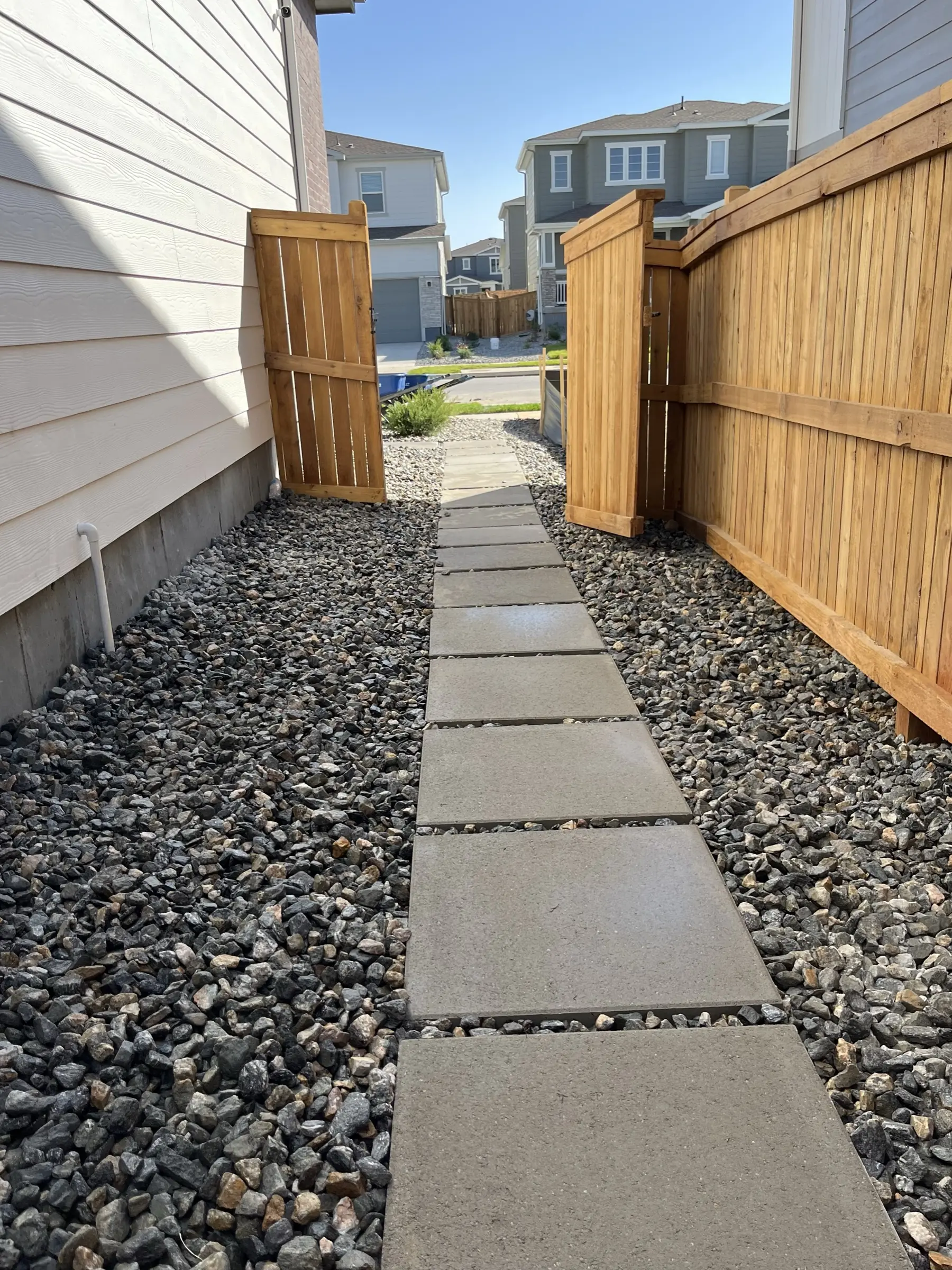
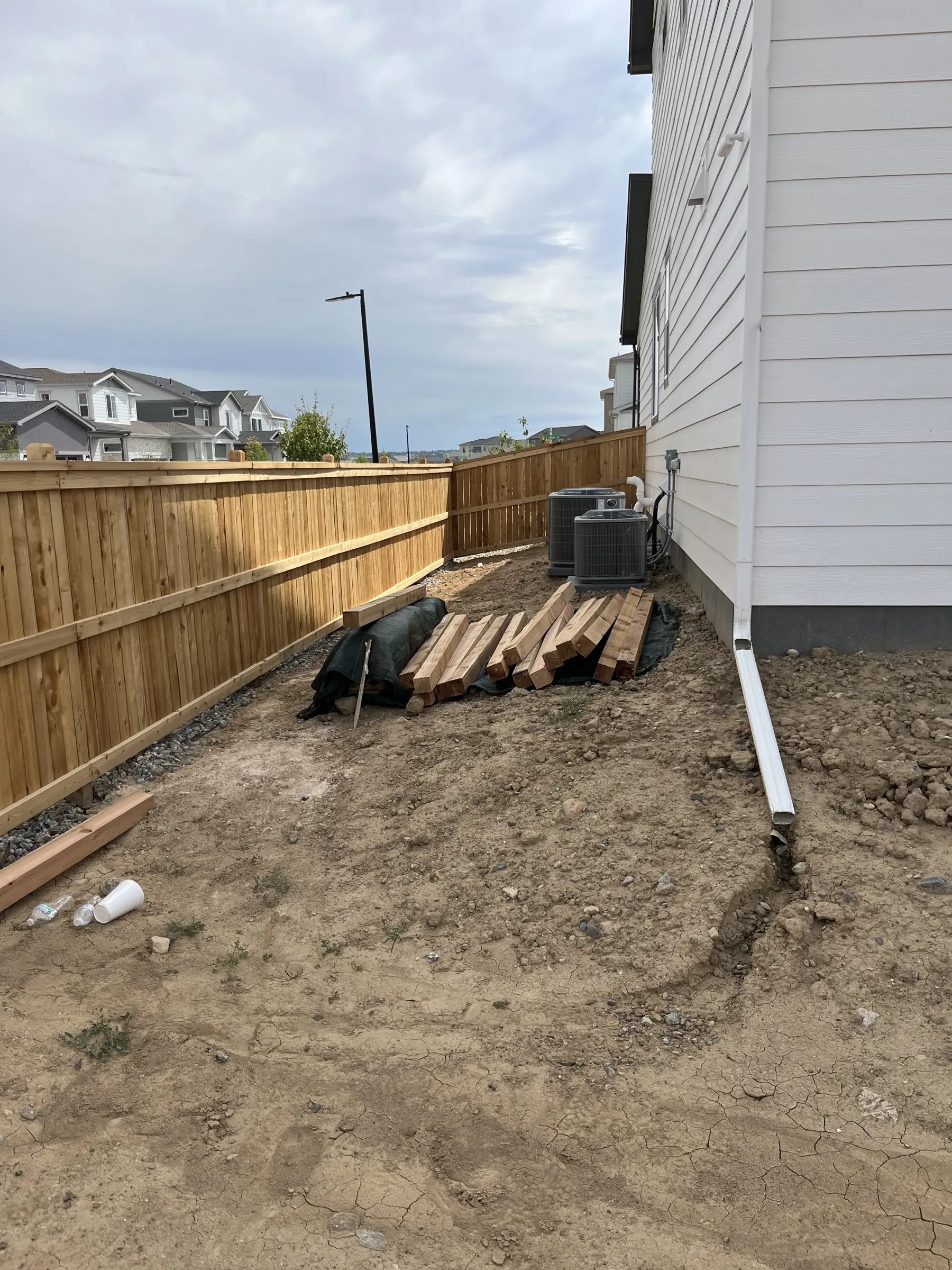
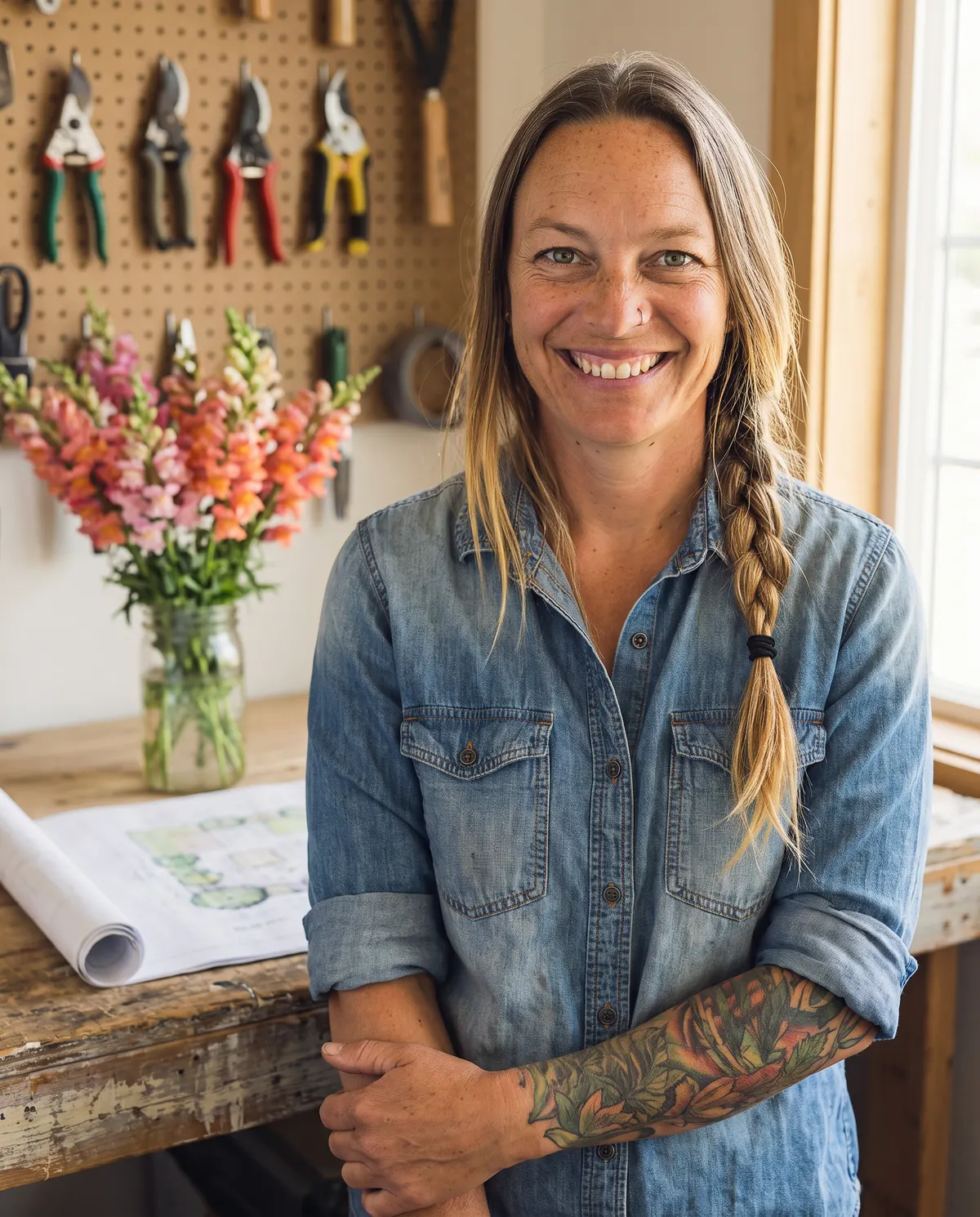
“Anne has a great sense of picking appropriate plants for dry environments, yet maximizing color.”
Quick answers
Something else? Call (720) 243-9930.
How do I know if I need a full design?
If one or two things are missing, an enhancement may be enough. If the change affects grading, drainage or how the whole yard connects, a full design is the safer path.
Can you work with the plants and stone already in my yard?
Yes. Established trees, healthy planting and existing hardscape often become the base for what comes next.
Can I replace part of my lawn with a garden?
Yes. Planted beds on drip use less water than bluegrass. If you are a City of Boulder water customer, Resource Central's lawn replacement program covers areas of at least 200 square feet.
Will a new bed work with my sprinklers?
Usually, with changes. New beds should get drip on their own zone, since drip and sprinklers can't run on the same zone.
When is the best time to plant?
It depends on the plant and the weather. The guide on when to plant in Colorado covers timing for trees, shrubs and perennials.
Read the full page: common additions, new beds and tying in
Good bones, one thing missing
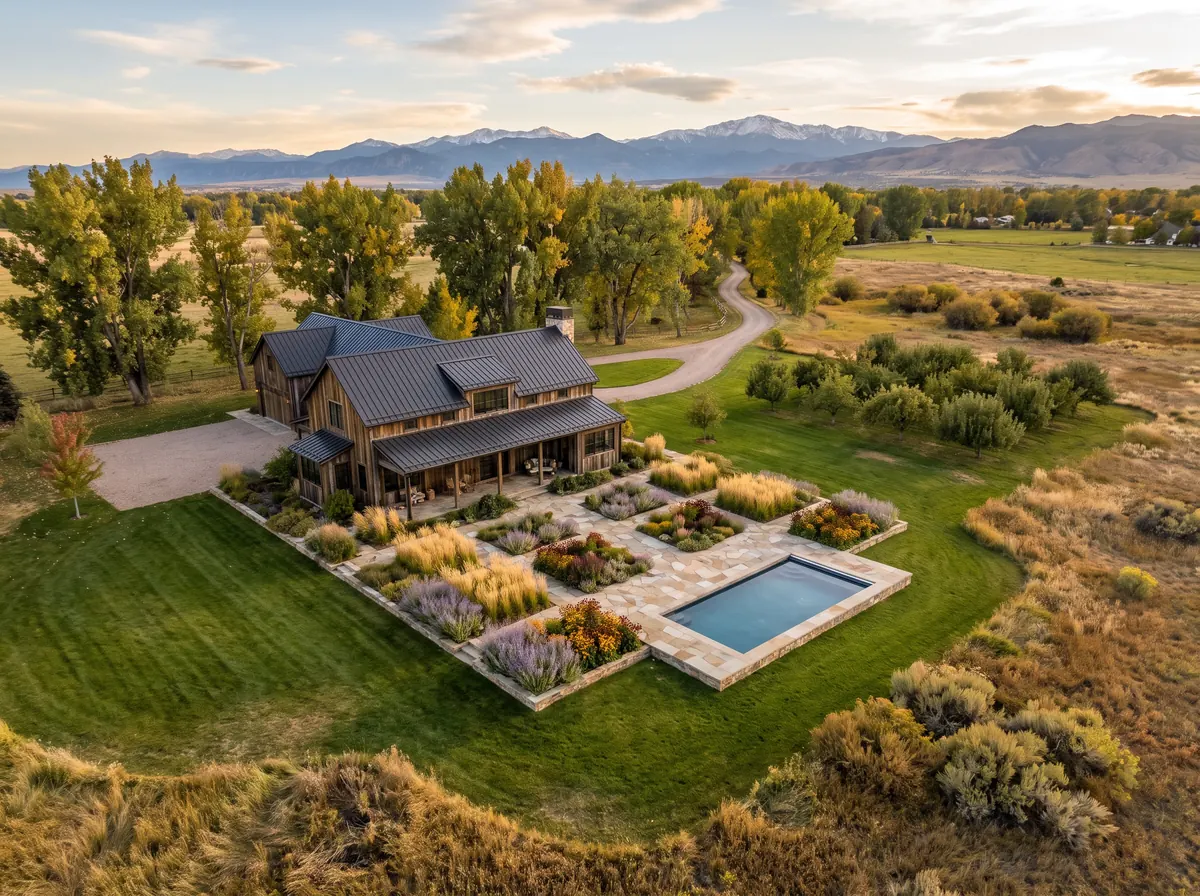
Not every yard needs to start over. Some have good bones but are missing something: shade, a place to sit, better plants, light at night, or a reason to go outside.
For focused projects, we can often look at the yard, talk with you about what to improve, and set a clear approach without a full design process. Our design-build experience still shapes each choice. We fit each new piece to the materials, planting, paths, irrigation, drainage, scale and architecture already there, so it looks planned, not tacked on.
A mature yard has value. Established trees, healthy planting and stone that works can become the base for what comes next. The aim is to keep what succeeds and fix what doesn't.
Eight common additions
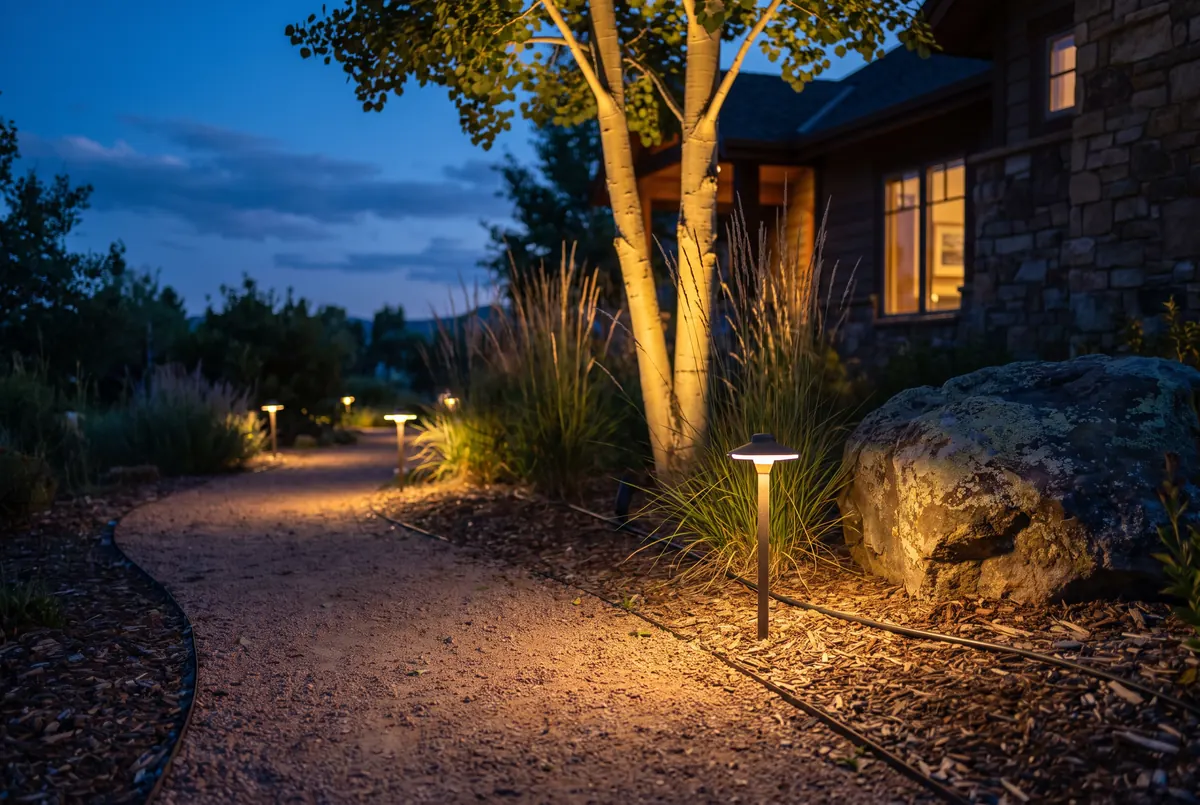
The goal is to find the one change that makes the biggest difference. A fire feature can turn an empty corner into the place people gather. New planting can add privacy or soften a bare patio. Light can stretch an evening outside and change how the garden looks after sunset.
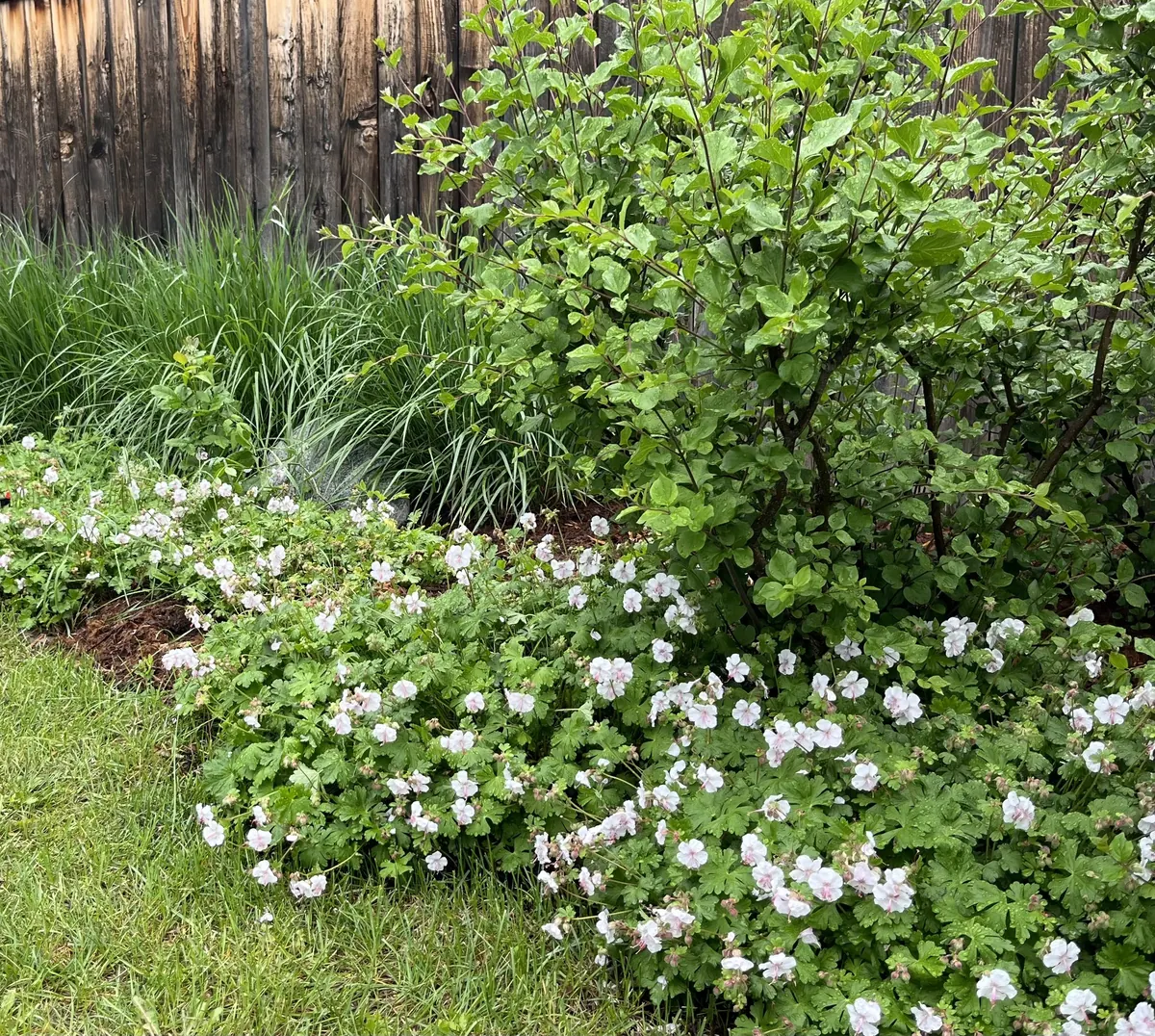
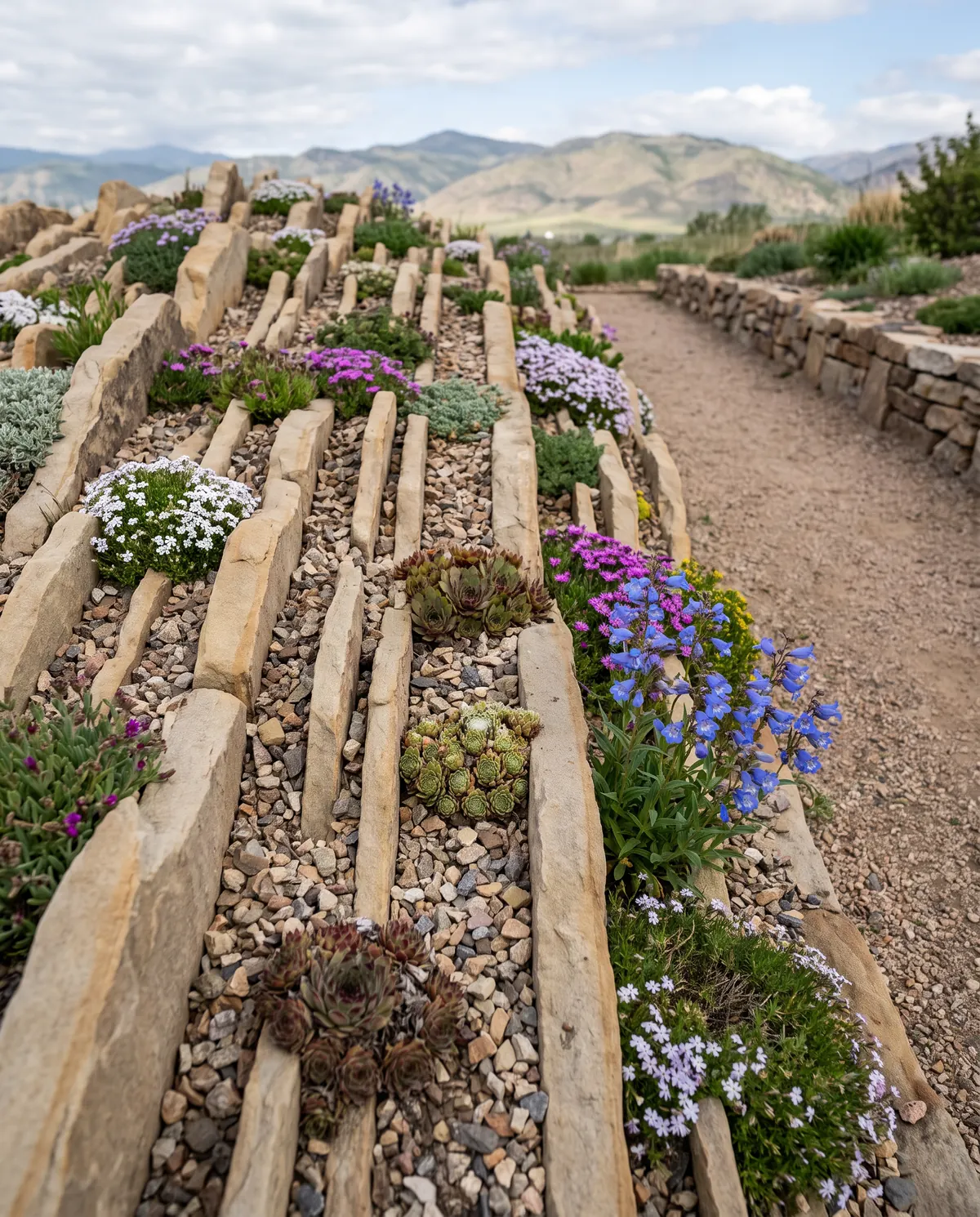
- New or refreshed planting and garden beds
- A path that connects two spaces
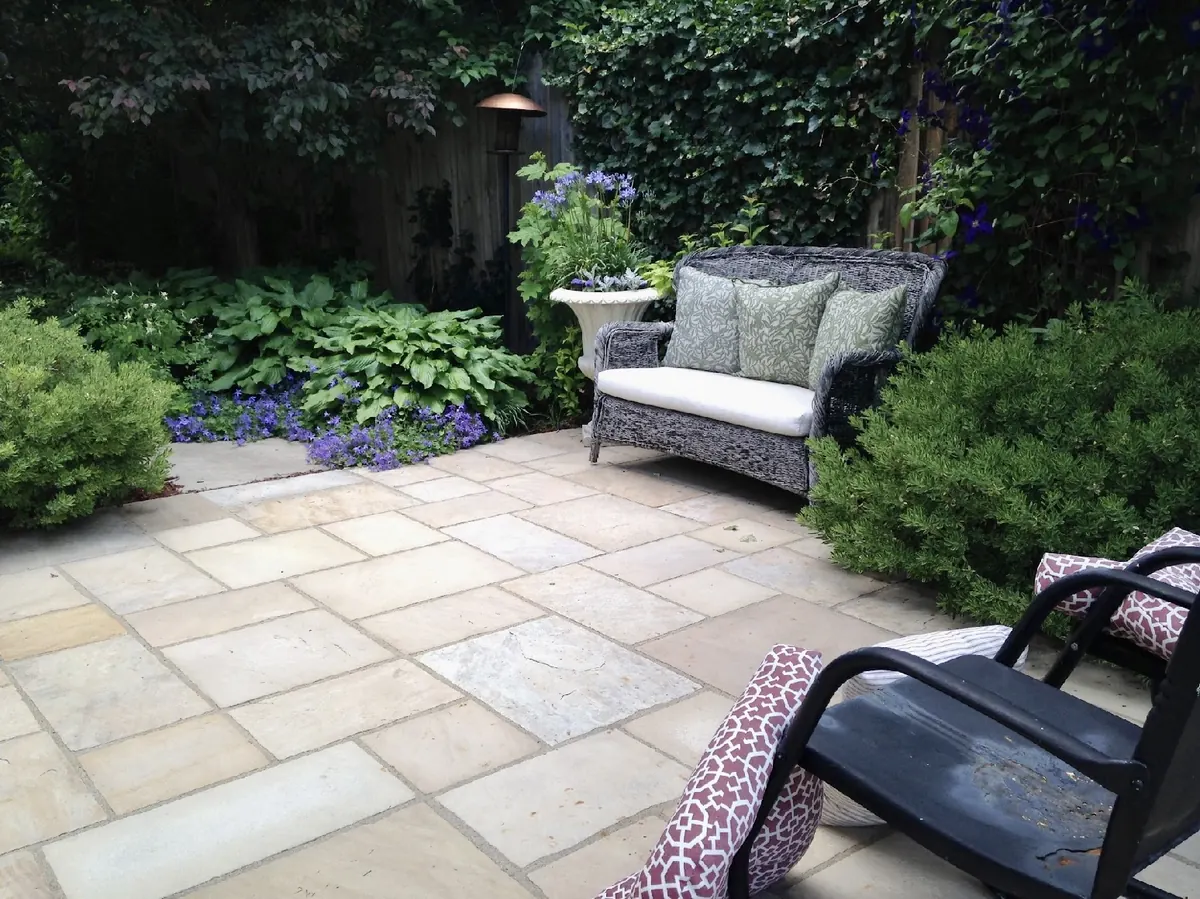
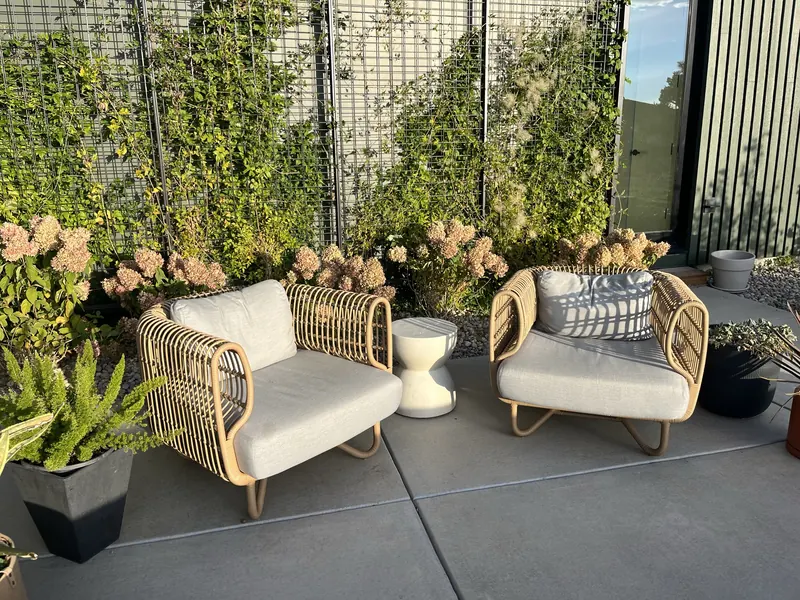
- A patio or gathering area
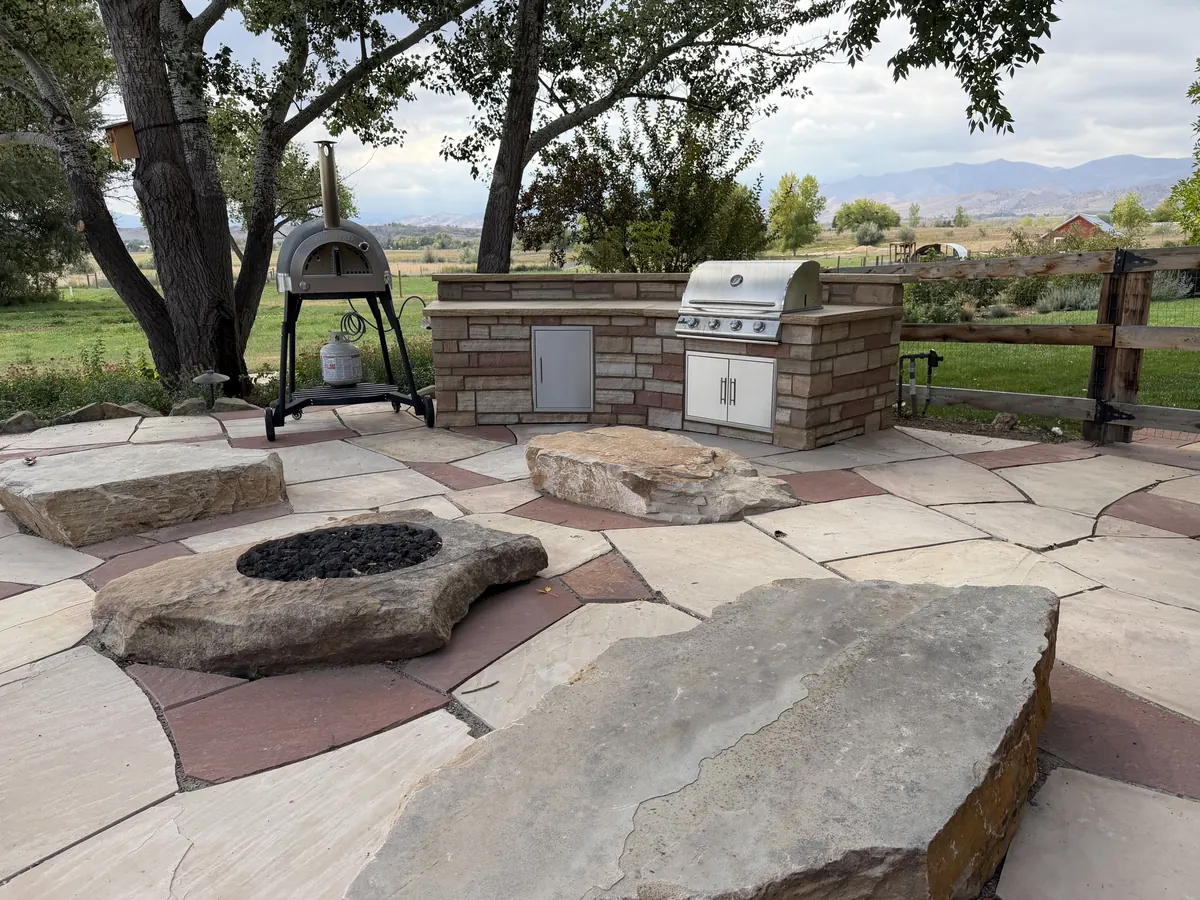
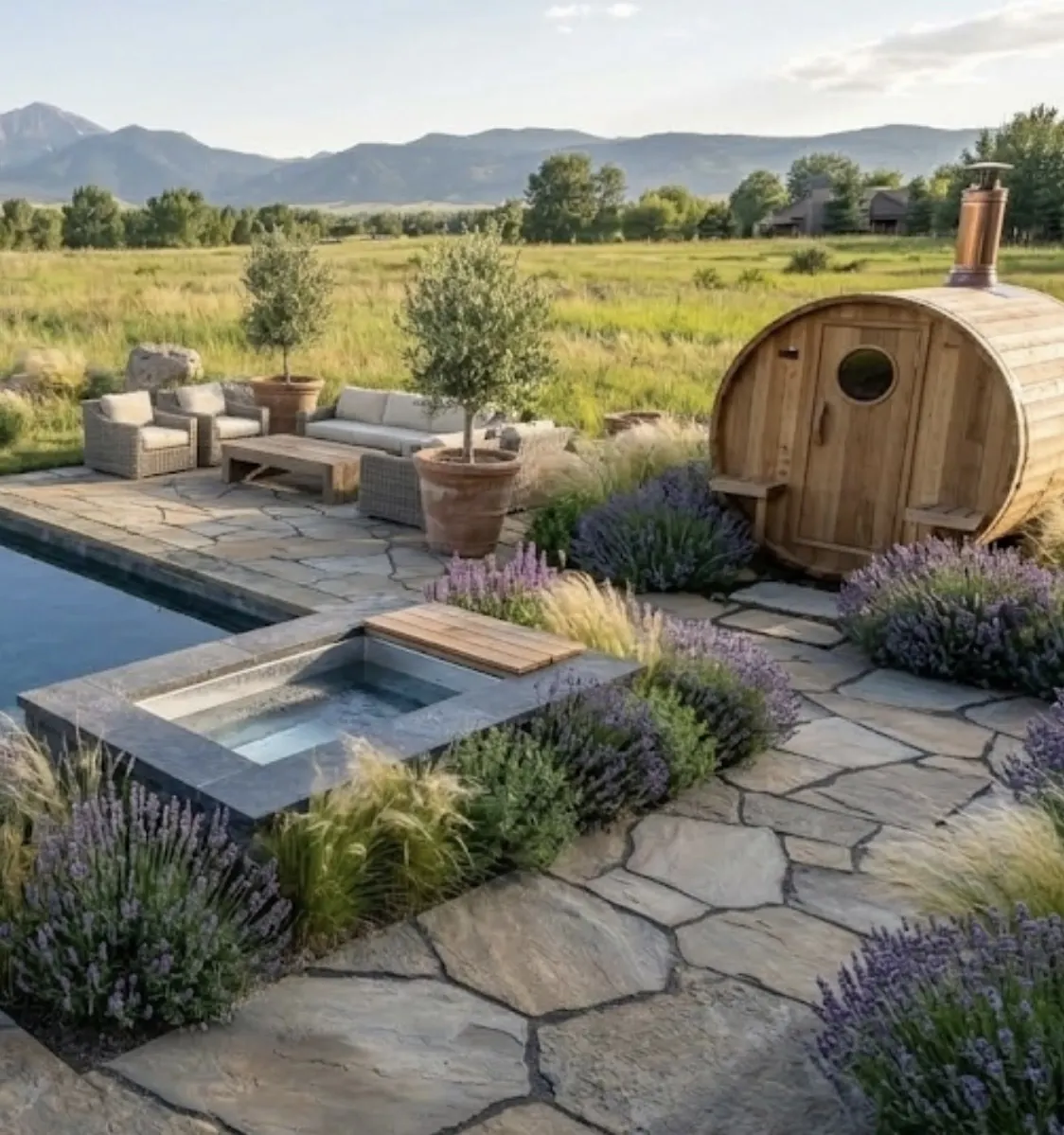
- Fire and water features
- Landscape lighting
- Raised gardens
- Privacy screening
- Irrigation improvements
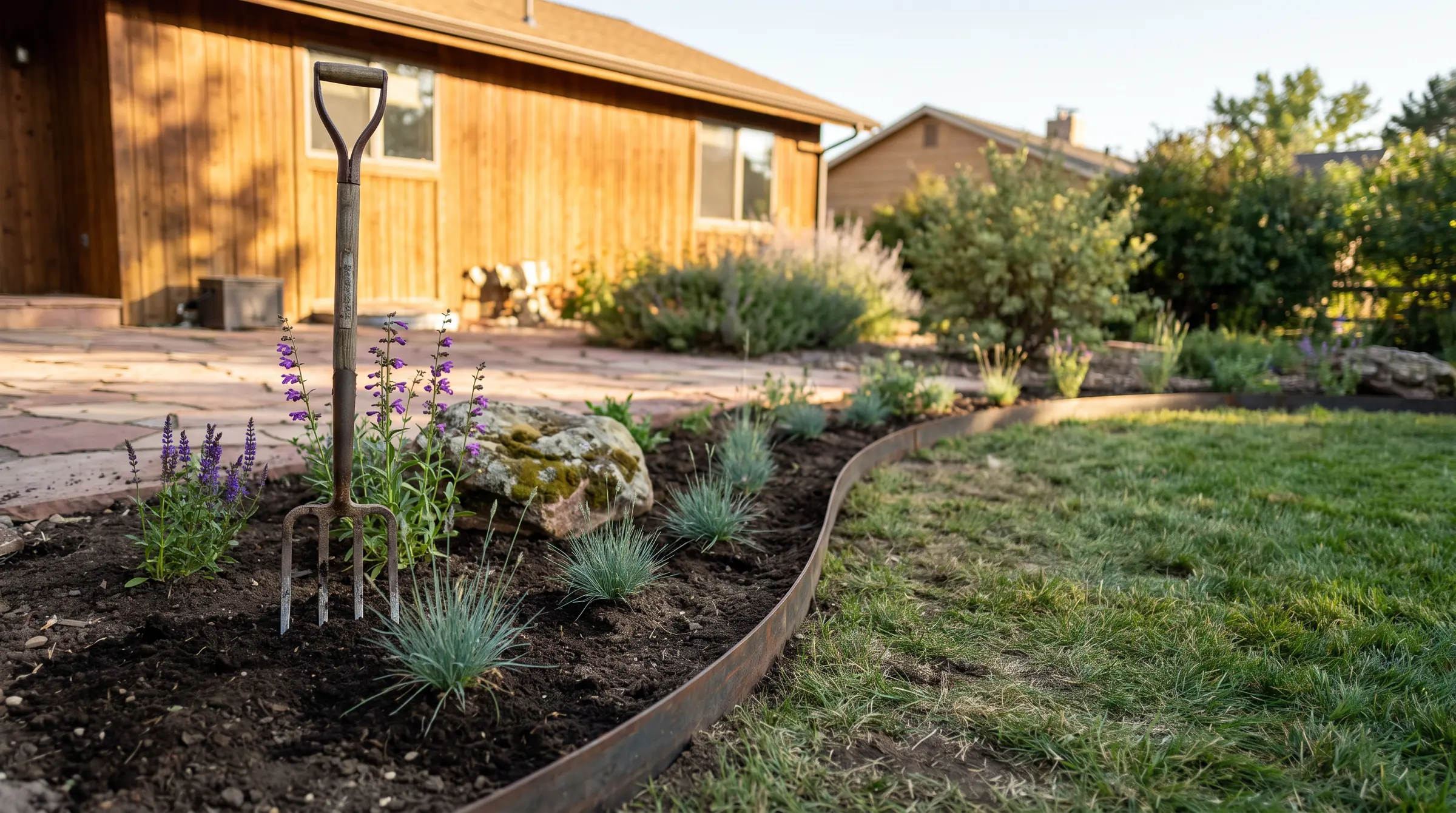
New beds, mulch and less lawn
Planting is where many enhancements start, and Colorado makes it a careful choice. The Front Range averages less than 15 inches of rain a year. Trading some lawn for planted beds on drip is a common way to cut outdoor water use. The City of Boulder works with Resource Central on a lawn replacement program for areas of at least 200 square feet. It also offers Garden In A Box kits of waterwise perennials through the same group.
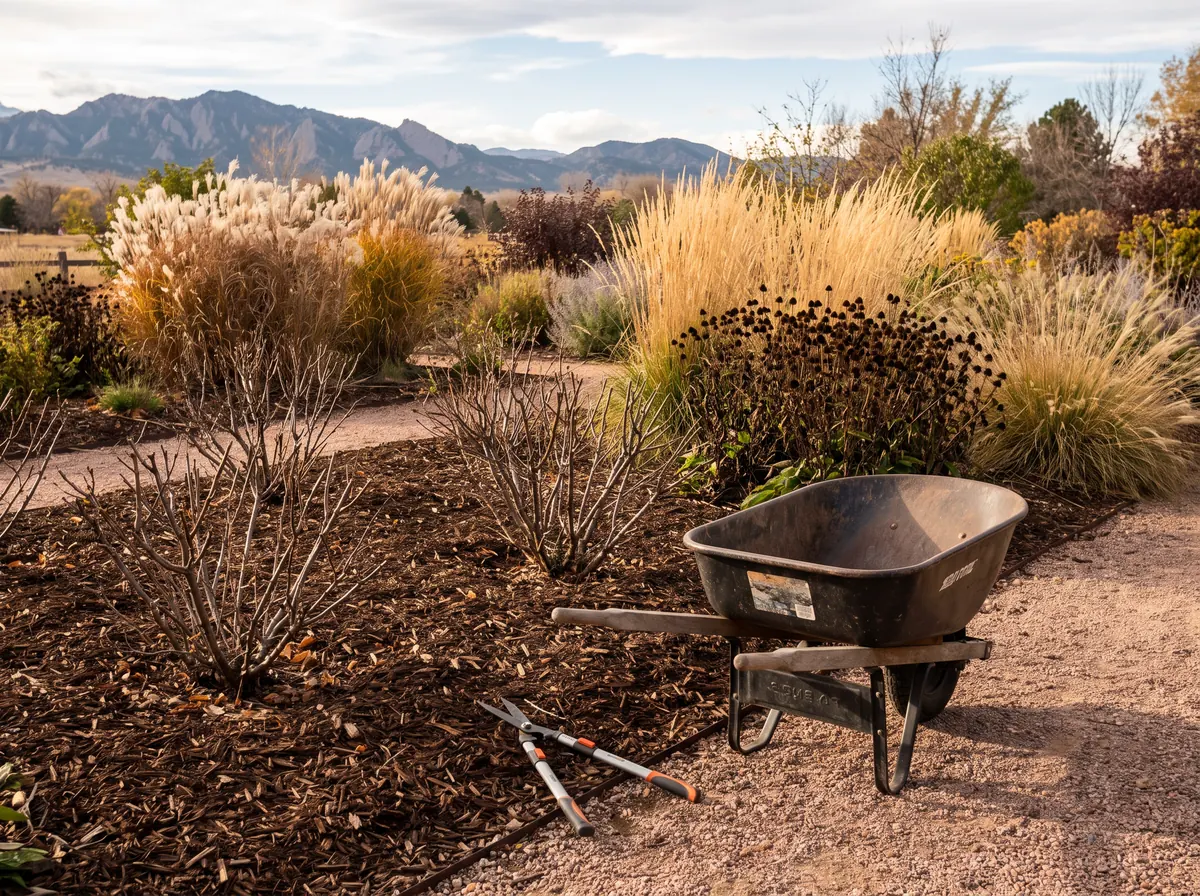
Mulch finishes a bed. PlantTalk Colorado suggests about 3 inches to keep weeds down, with less right around the stems. Organic mulch breaks down and feeds the soil. Rock mulch lasts longer but holds heat, so avoid big areas of unshaded rock against the house. Skip sheet plastic under mulch; use a landscape fabric that lets air and water through if you need a weed barrier.
Near homes with wildfire risk, choose plants with care. CSU Extension's Firewise list favors plants with high moisture, low resin and compact growth within 30 feet of the house, and steers junipers and other conifers away from that zone.
Tying new work into old
An addition has to tie into what is already there. A new bed needs its own drip zone, since drip and sprinklers can't share one. A new patio needs a base and a slope that send water away from the house, not toward it. A fire or water feature needs a gas line or power, which means a trench.
Old yards hide old lines. Colorado 811 marks public utilities, but not private lines such as old sprinkler pipe or wire to a lamp post. Those are worth finding before anyone digs.
Soil in an old bed can be worn out or packed down. CSU Extension recommends basing amendments on a soil test, mixing them in well, and avoiding fresh wood products, which tie up nitrogen.
Start with a visit. A walk around your property comes first. Pick a day and time online, or call.
An enhancement or a full design and build
Enhancement
- Scope
- One or a few focused changes
- Planning
- Often a site visit and a clear approach, without a full design
- Existing yard
- Kept and built on
- Good fit when
- The yard mostly works and one thing is missing
- Phasing
- Can be a first step toward a bigger plan
Full design and build
- Scope
- The whole property, planned as one
- Planning
- A full plan for layout, grading, drainage, irrigation, materials, planting and light
- Existing yard
- Kept where it works, changed where it doesn't
- Good fit when
- Several things need fixing, or the yard is new
- Phasing
- Can be built in phases toward one plan
Sources 9
- PlantTalk Colorado (CSU Extension): Xeriscape Basics
- City of Boulder: Water Conservation
- PlantTalk Colorado (CSU Extension): Xeriscape Mulches
- CSU Extension: Firewise Plant Materials
- Colorado State Forest Service: Protect Your Home and Property from Wildfire
- CSU Extension: Drip Irrigation for Home Gardens (fact sheet 4.702)
- Colorado 811: Colorado utility locator (call before you dig)
- CSU Extension: Choosing a Soil Amendment
- CSU Extension: Lawn Care Basics
Landscape enhancements usually leads to landscape design, hardscaping, landscape lighting and water features.
Start with a walk around your property.
We walk the property with you first. Pick a day and time online, or call.