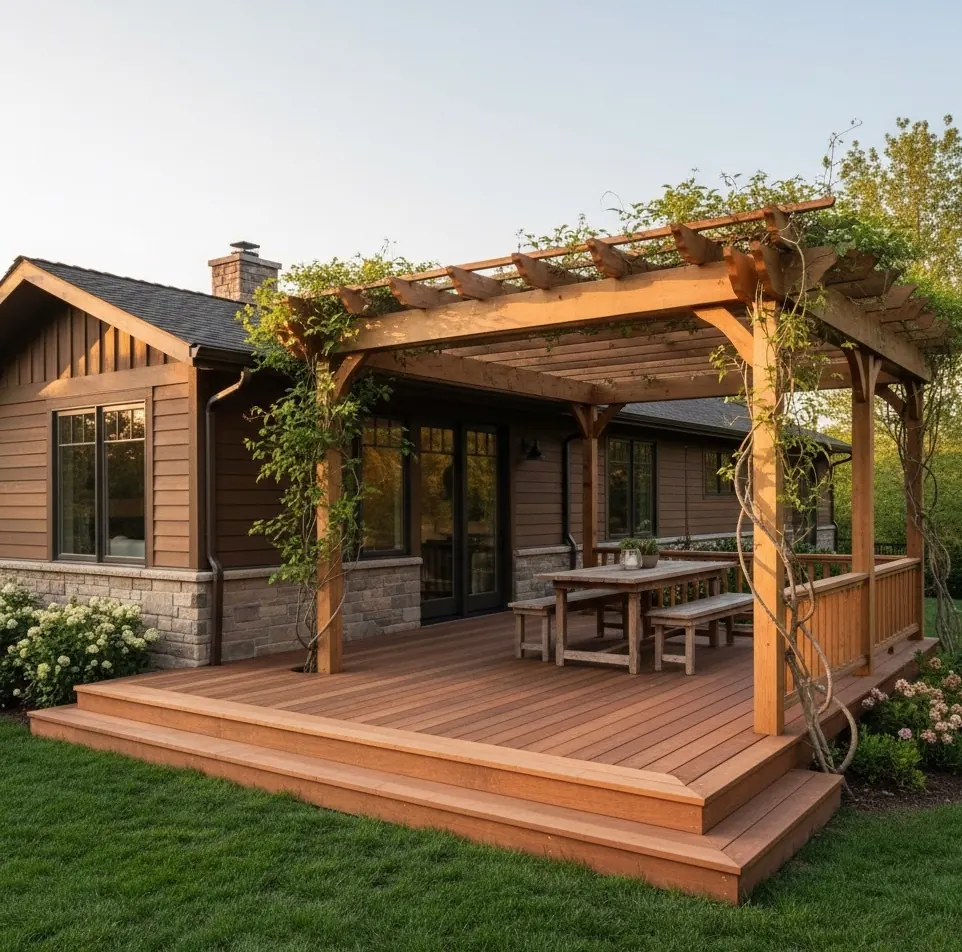
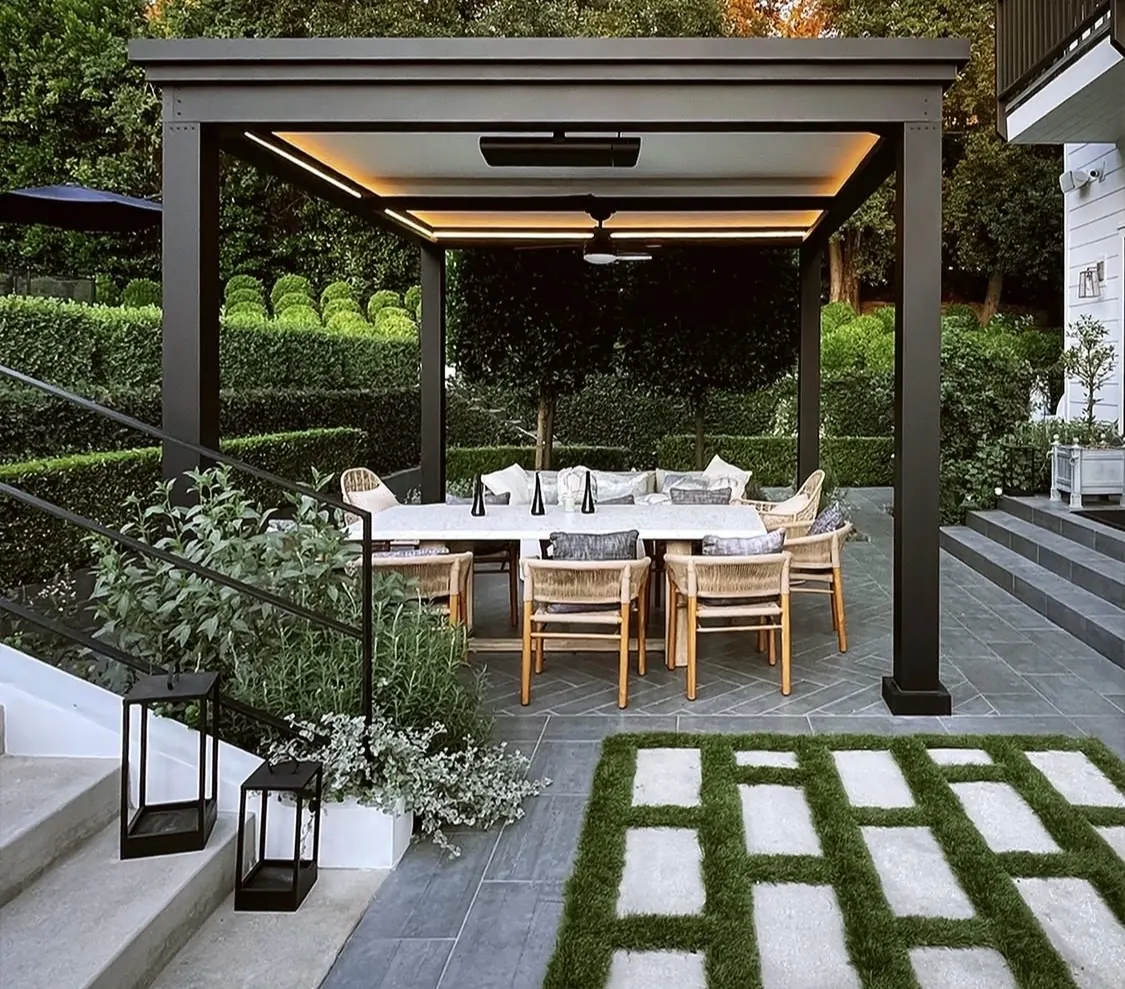
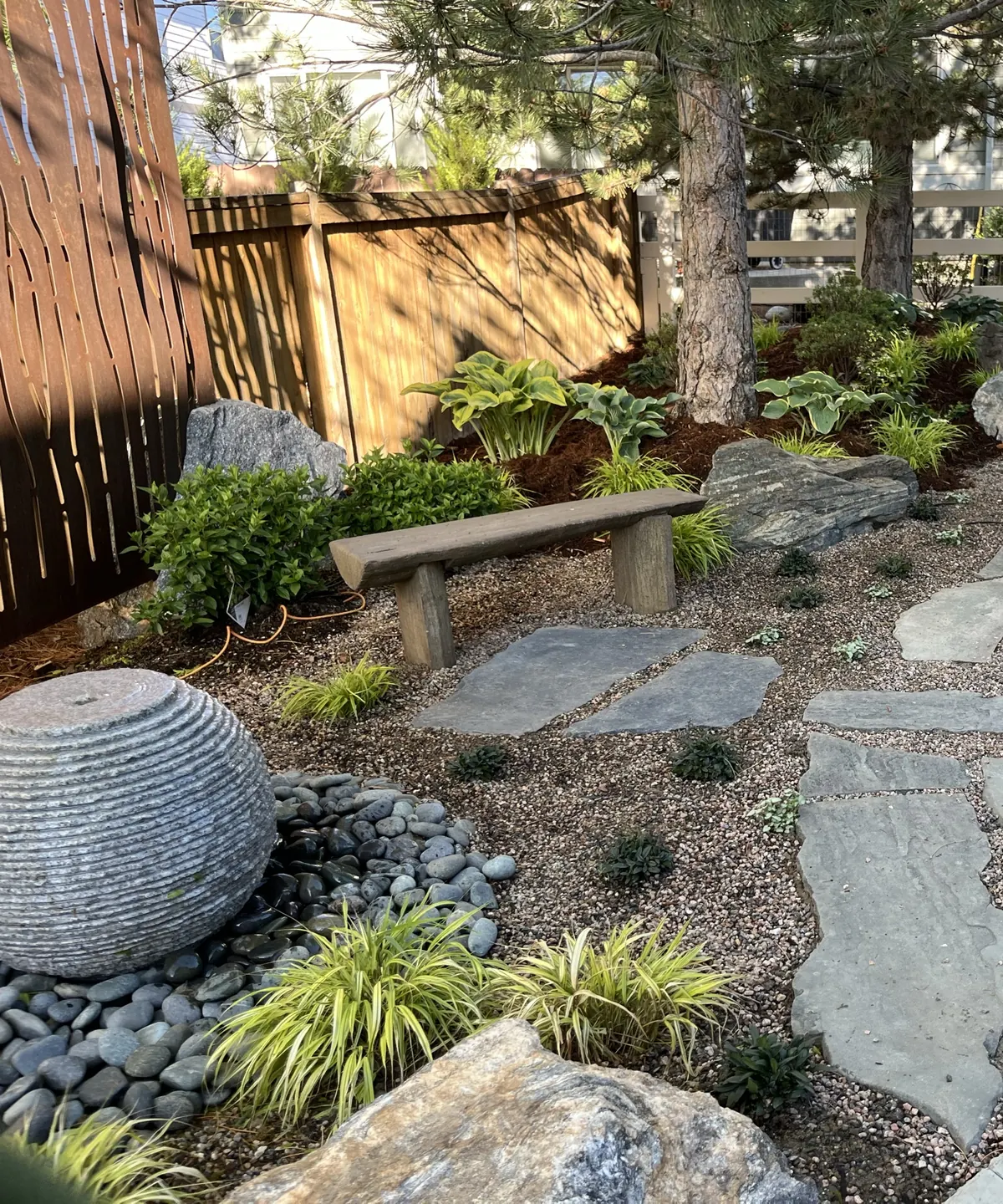
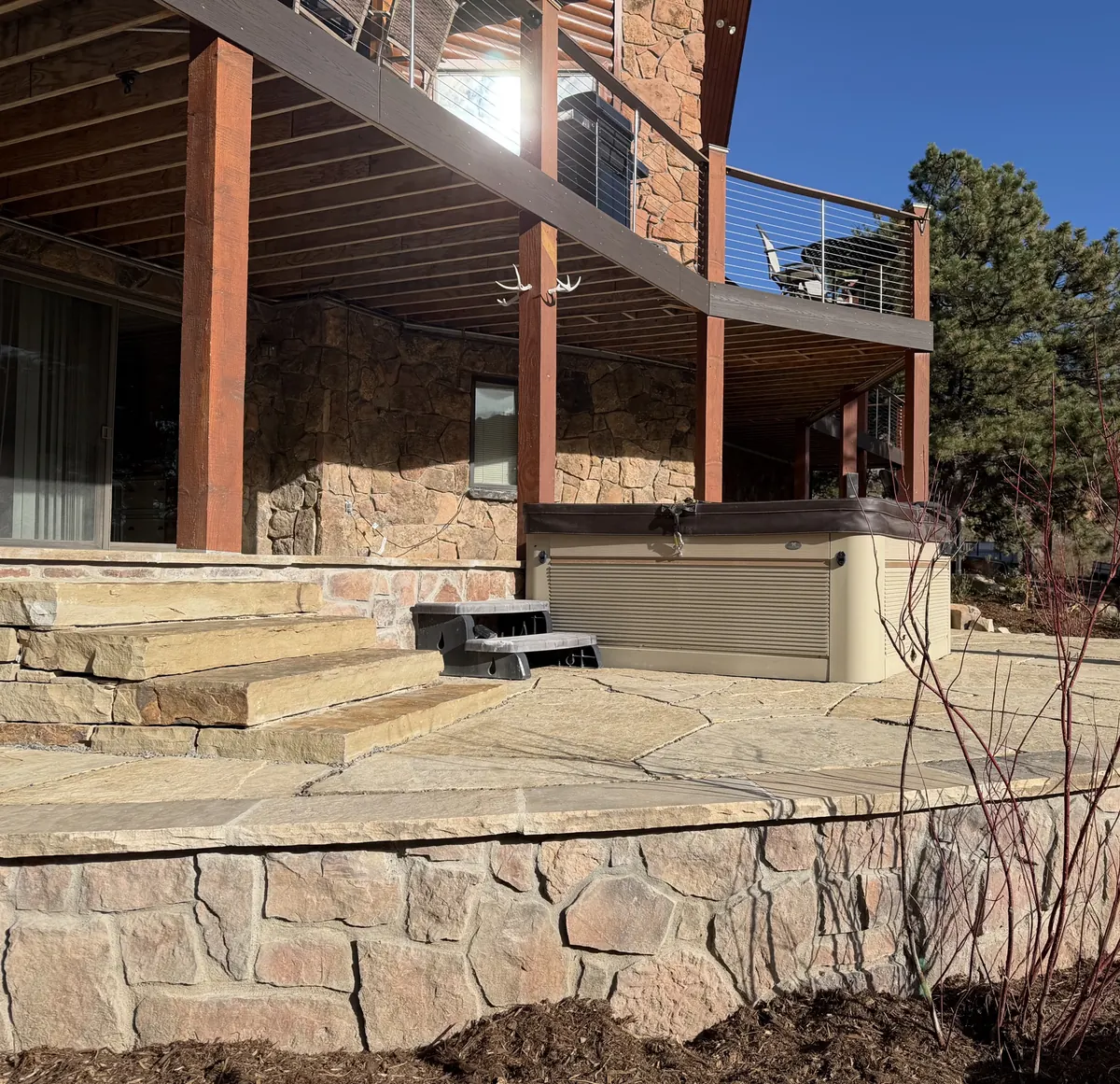

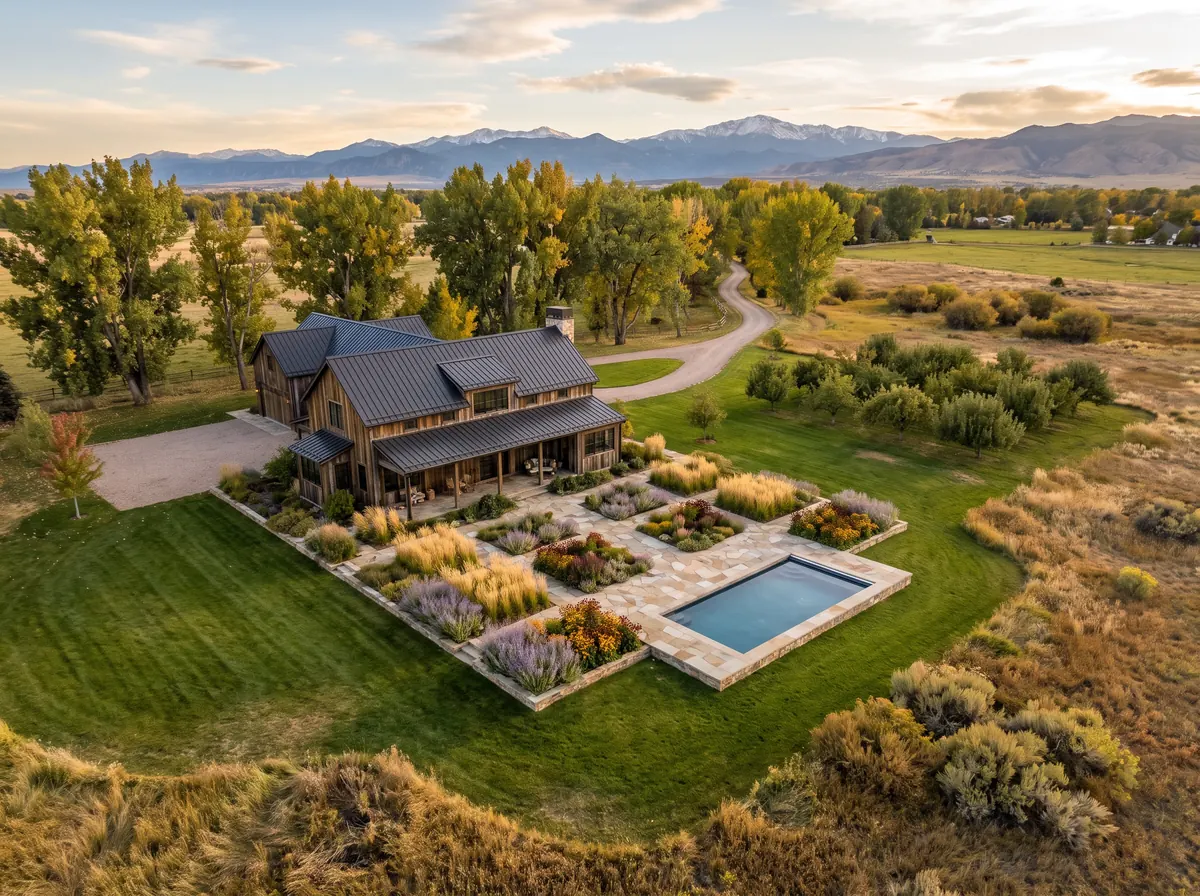

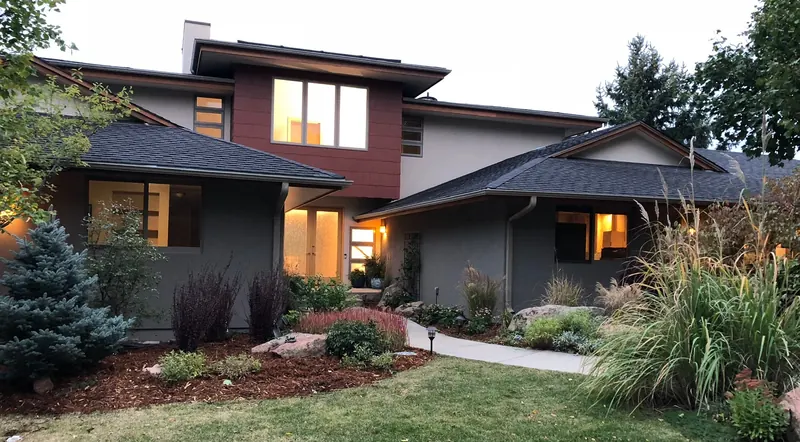

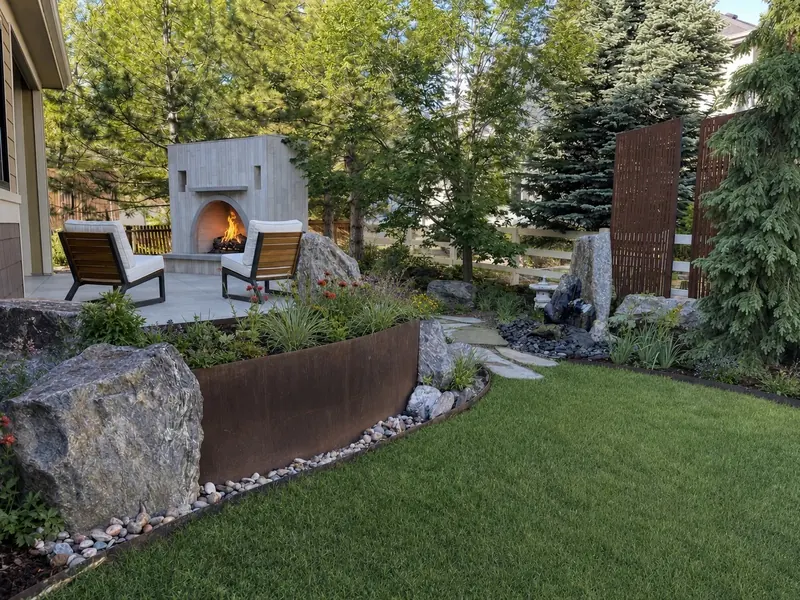



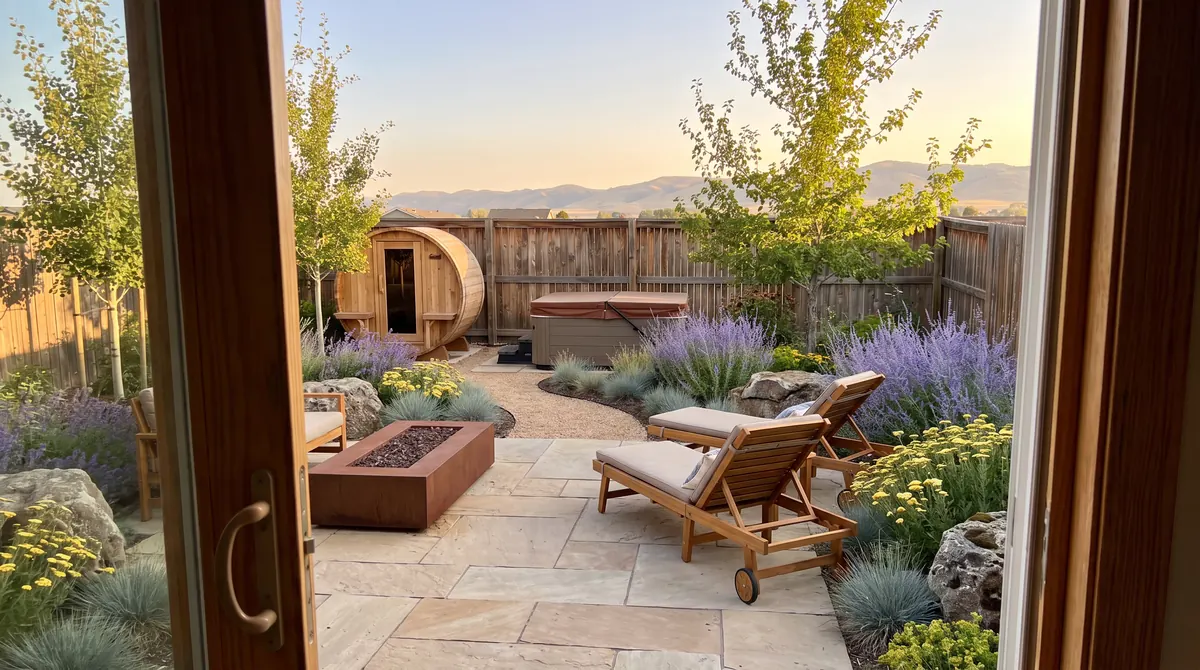
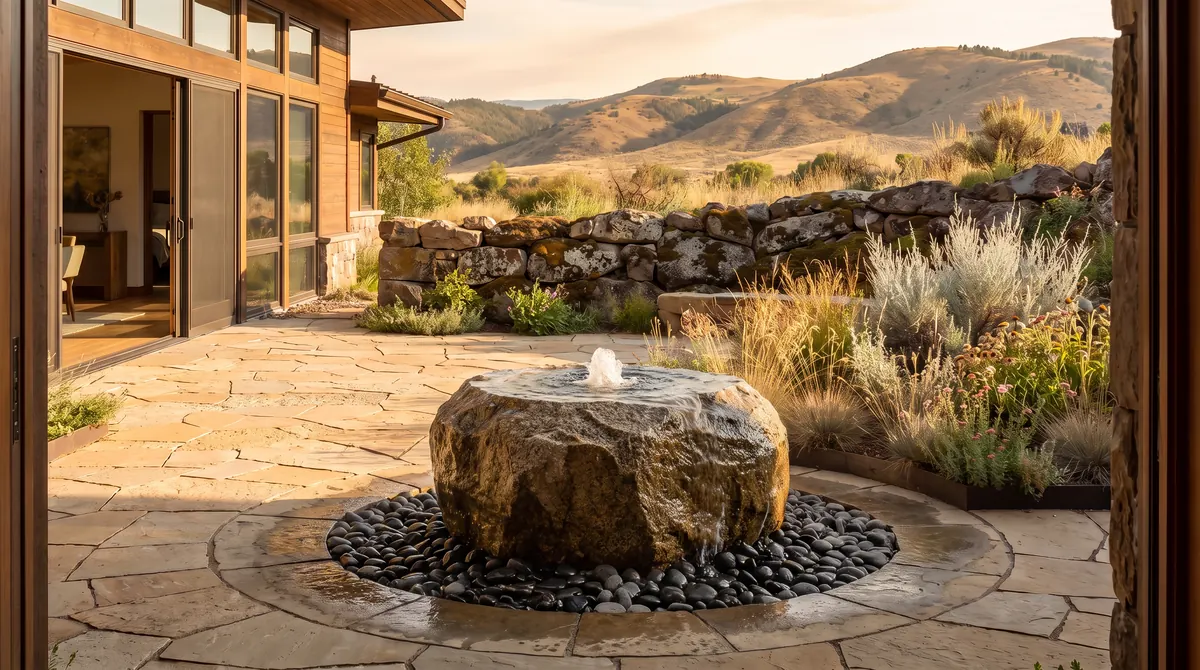
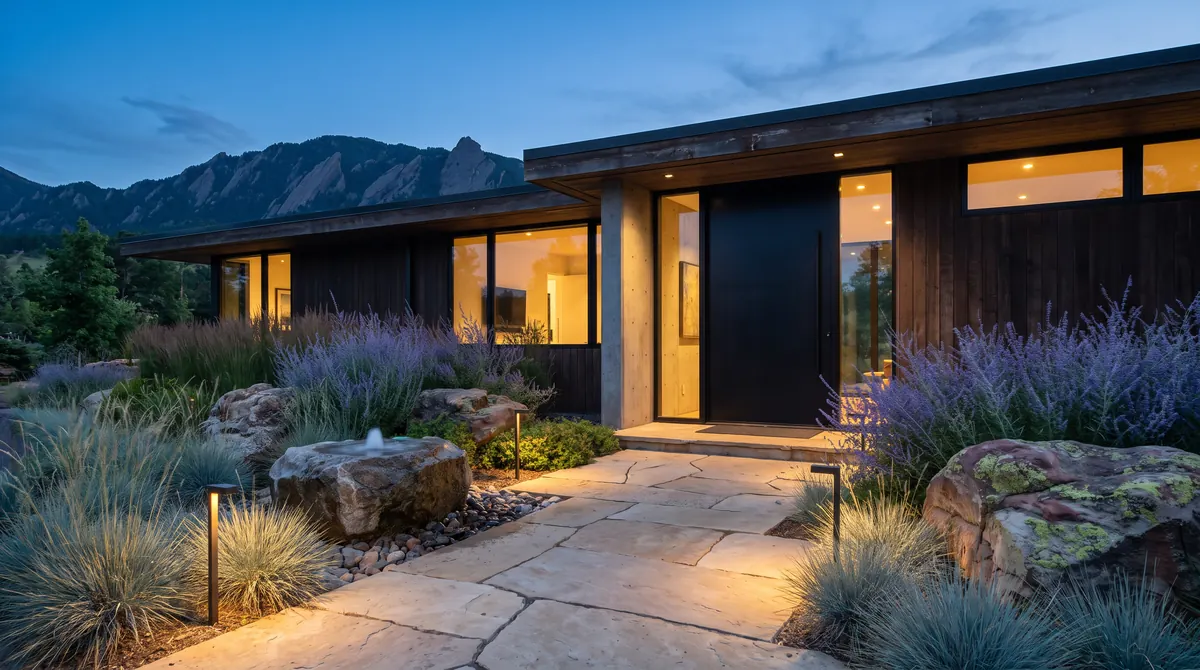
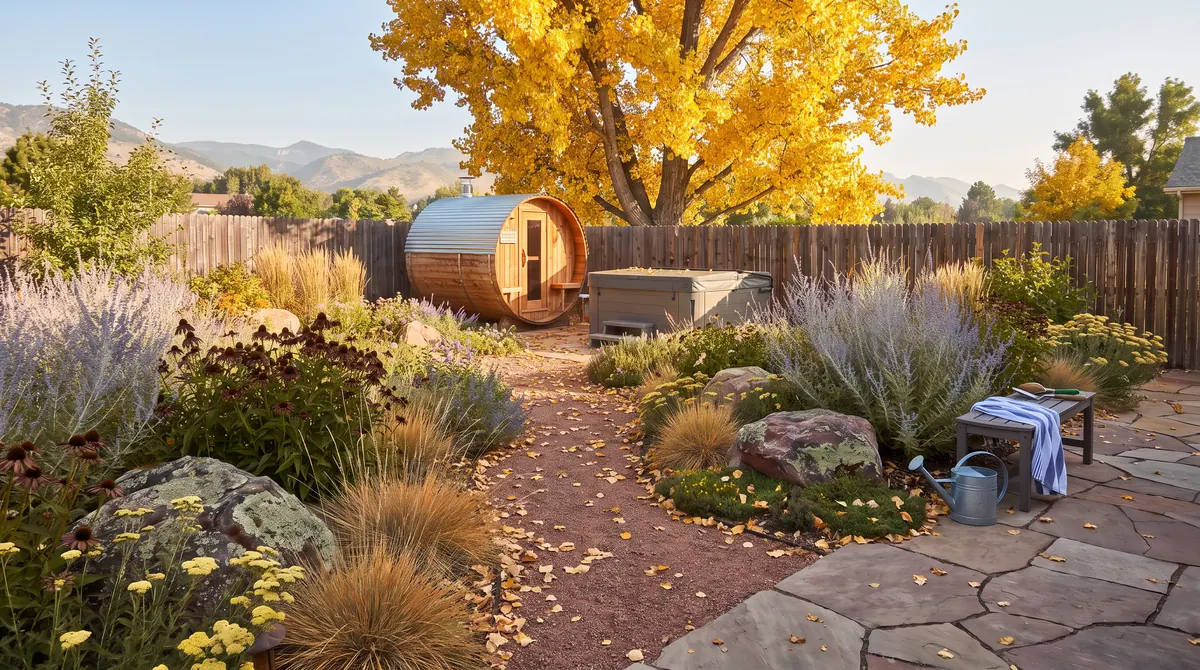
What is the difference between the two?
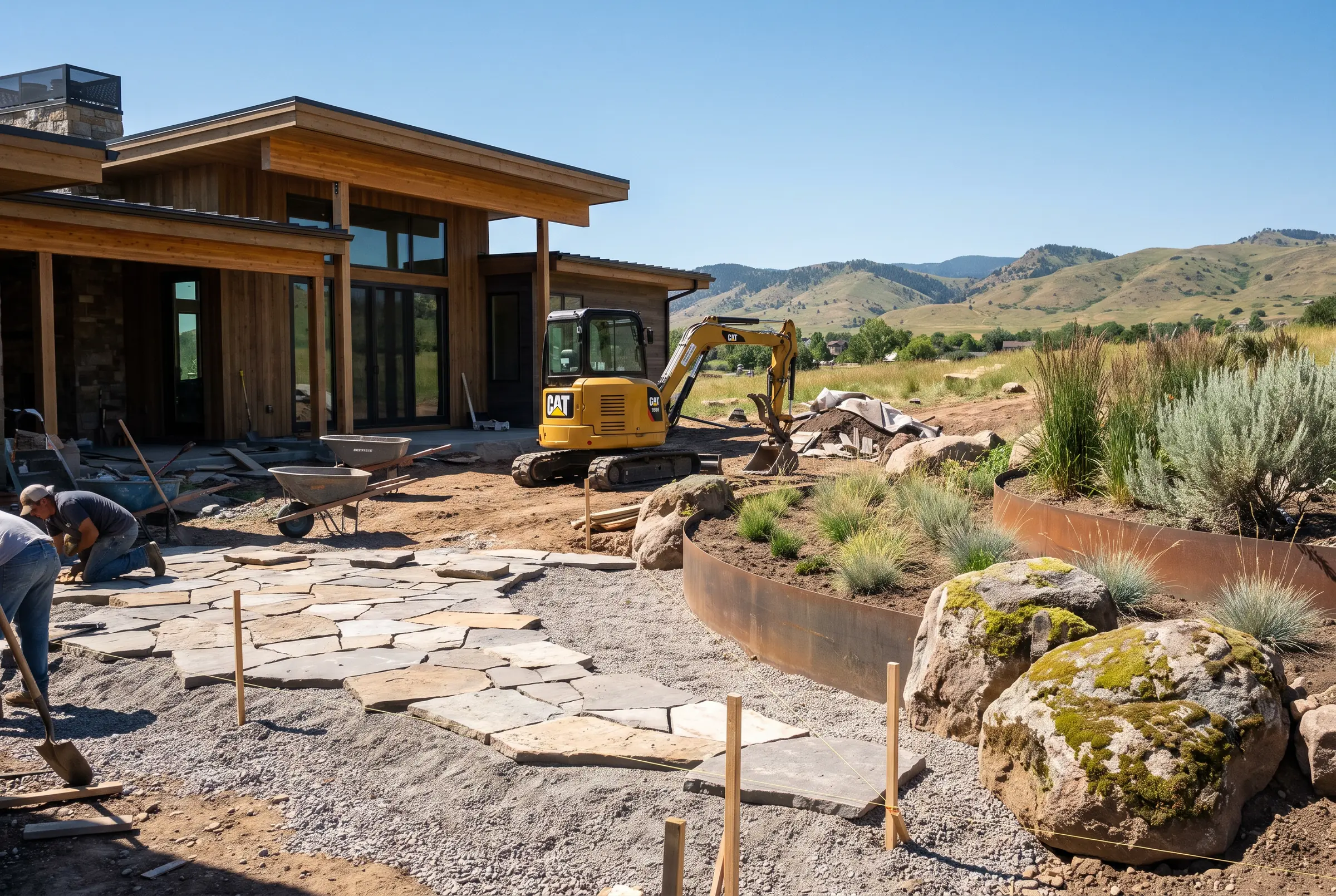
With design-build, one company does both jobs. The Design-Build Institute of America, a trade group for this way of working, says the single contract for design and construction is the basic difference. In every other method, design and construction are under separate contracts.
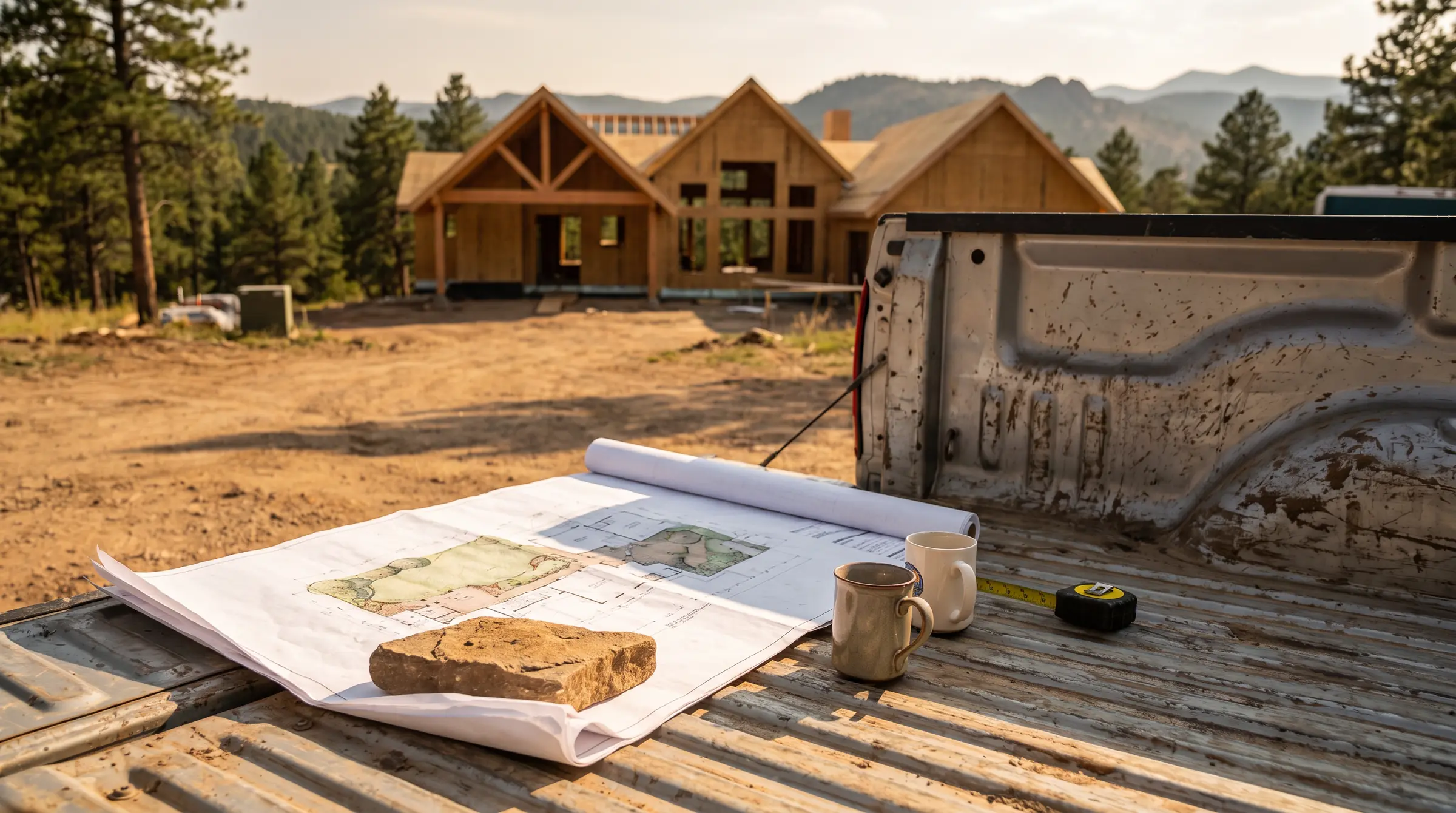
With a separate designer and contractor, you hire a landscape architect or designer to draw the plan. Then you take that plan to one or more contractors for prices, pick one and sign a second contract. The designer may visit during construction, or may not, depending on what you hire them for.
CSU's PlantTalk Colorado notes a third path too. Some homeowners draw their own plan, then pay a professional to review it before they build.
What are the strengths of design-build?
The design is shaped by people who build. Cost, materials and how things go together get weighed while the plan is still on paper. The Design-Build Institute of America lists earlier knowledge of firm costs and fewer changes among its benefits. Keep in mind that it is an industry group making the case for its own method.
When something unexpected turns up in the ground, one company answers for the fix. You don't have to referee between a designer and a builder.
Idlewild is a design-build company. Its designers stay involved through construction, and it designs with each client's investment range in mind so cost is part of the conversation early. The project ends with a final walkthrough.
The trade-off is less price shopping. You are choosing one firm's design approach and its pricing together. If comparing several builders on the same plan matters a lot to you, design-build gives you fewer chances to do that.
What are the strengths of a separate designer and contractor?
You choose each one for what they do best. You can hire a designer purely for design skill, then pick the builder whose price, schedule or crew suits you. If the contract lets you reuse the plan, you can bid it out to several builders and compare.
A designer you hire separately can also act on your side during construction, checking that the work matches the plan, if you hire them to do that.
The costs show up in coordination. A plan drawn without a builder's input can come in over budget once it is priced, which can mean a round of redesign. Questions in the field travel between two companies. When something goes wrong, it can be harder to say whose problem it is, and you are the one in the middle.
How do the two compare side by side?
The table puts the main differences in one place. Neither column is right for everyone. A homeowner who likes to manage and compare may prefer two firms. A homeowner who wants one team to answer for the whole result may prefer design-build.
What should I check either way?
In the City of Boulder, any contractor doing work that needs a building or right-of-way permit must hold a city license. Landscaping, irrigation and site work fall under class D-4, and Boulder does not accept licenses from other places. You can look up licensed contractors on the city's online portal. Boulder County licenses contractors only for unincorporated areas; each city and town handles its own.
Idlewild works with craftsmen, trade partners and suppliers on parts of its projects, as many builders do. Pools, for example, come from its pool partners. Ask any company which parts of the job its own crew does and which go to partners.
- Who owns the drawings, and can you take them to another builder?
- When will you see a cost, and how close will it be?
- How are changes priced once work starts?
- Who pulls permits, and does the builder hold the right local license?
- Who is on site day to day, and who do you call?
- Which work is done by the company's own crew, and which by partners?
- Can you see finished projects like yours?
Design-build compared with a separate designer and contractor
| Design-build | Designer, then contractor | |
|---|---|---|
| Contracts | One, for design and construction | Two: one for design, one for construction |
| Who coordinates | The design-build company | You, or the designer if hired to |
| When you learn cost | During design, as the plan develops | After the plan is done and bid |
| Comparing bids | Limited; one firm prices its own design | Easy, if the contract lets you reuse the plan |
| Changes in the field | Handled inside one team | Passed between designer, contractor and you |
| Who answers for problems | One company | Can be split between two firms |
| Good fit for | People who want one accountable team | People who want to choose and compare at each step |
Questions
Is design-build more expensive?
Not by rule. Design-build gives up some bid shopping, while a separate designer can lead to redesign if the plan prices high. The total depends on the project and the firms you choose.
Can I hire Idlewild for design only?
Idlewild's process is built around design and construction together. Ask at the first visit whether a design can be done on its own for your project.
Does a design-build company do all the work with its own crew?
Rarely all of it. Idlewild works with trade partners and suppliers on parts of its projects, and pools come from its pool partners. Ask any company which work its own crew does.
How do I check a contractor's license in Boulder?
Search the City of Boulder's Customer Self Service portal or its open data list of licensed contractors. For unincorporated areas, Boulder County lists licensed contractors by class.
Can I bring a plan from another designer to a design-build firm?
Many will look at one. Expect them to review it for cost and buildability, and possibly suggest changes, before they price it.