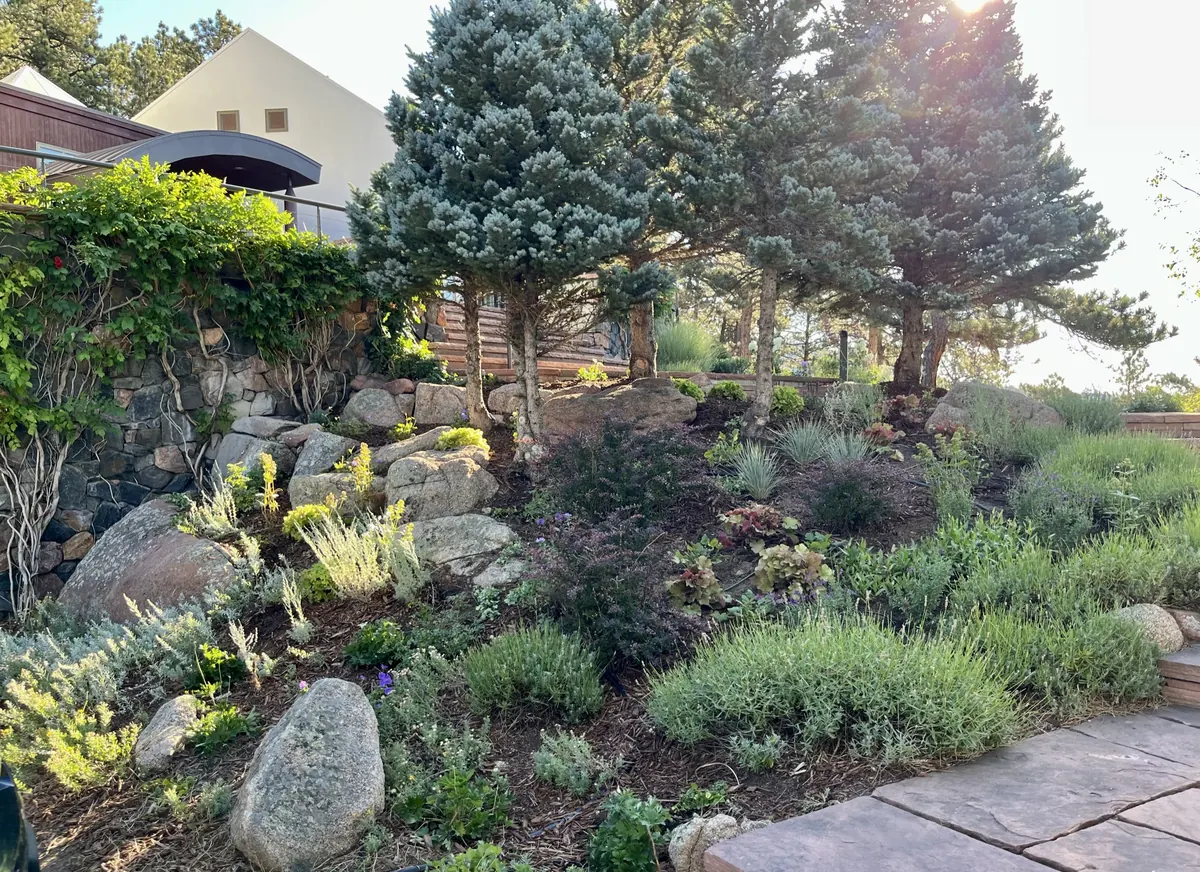
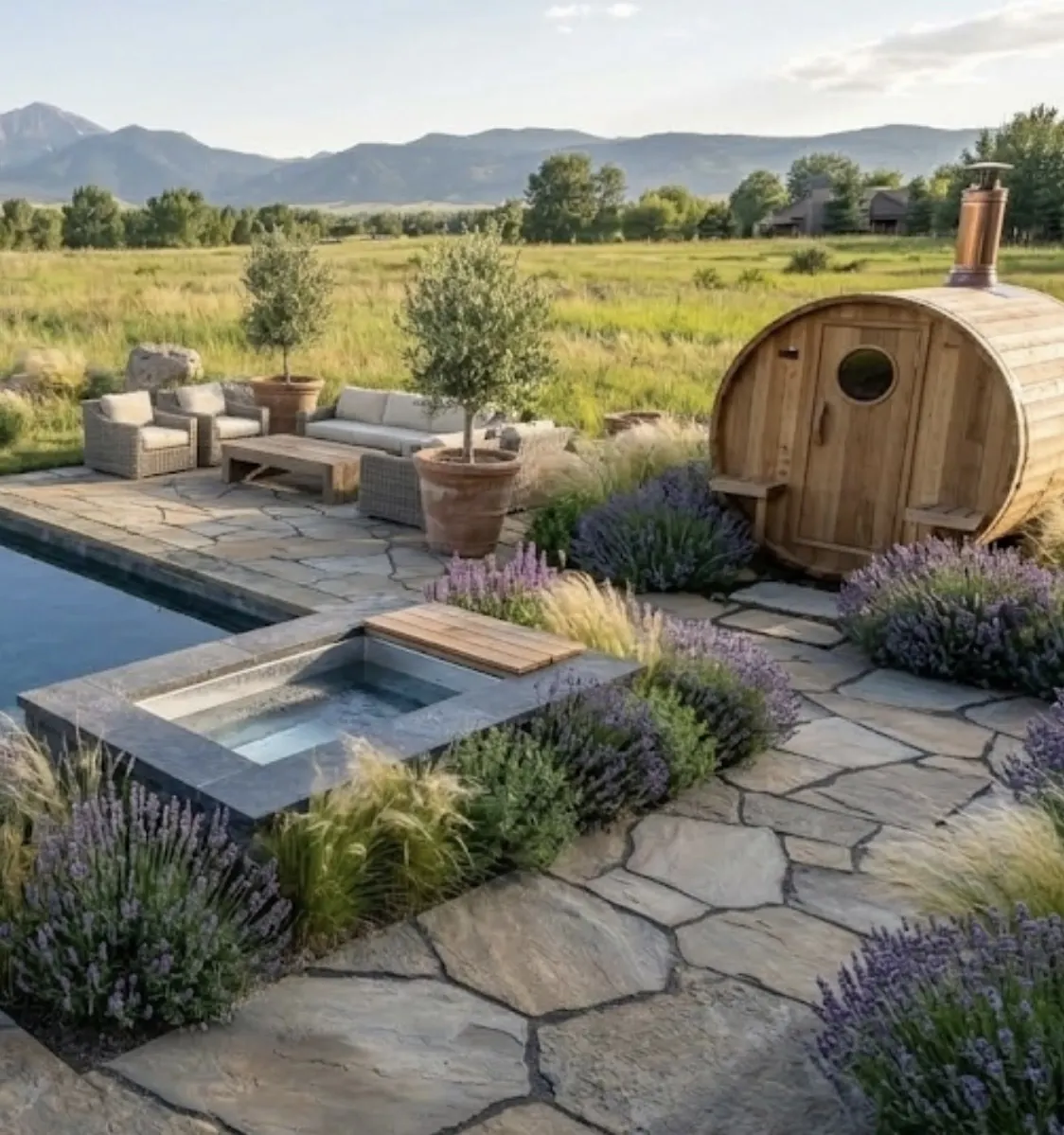
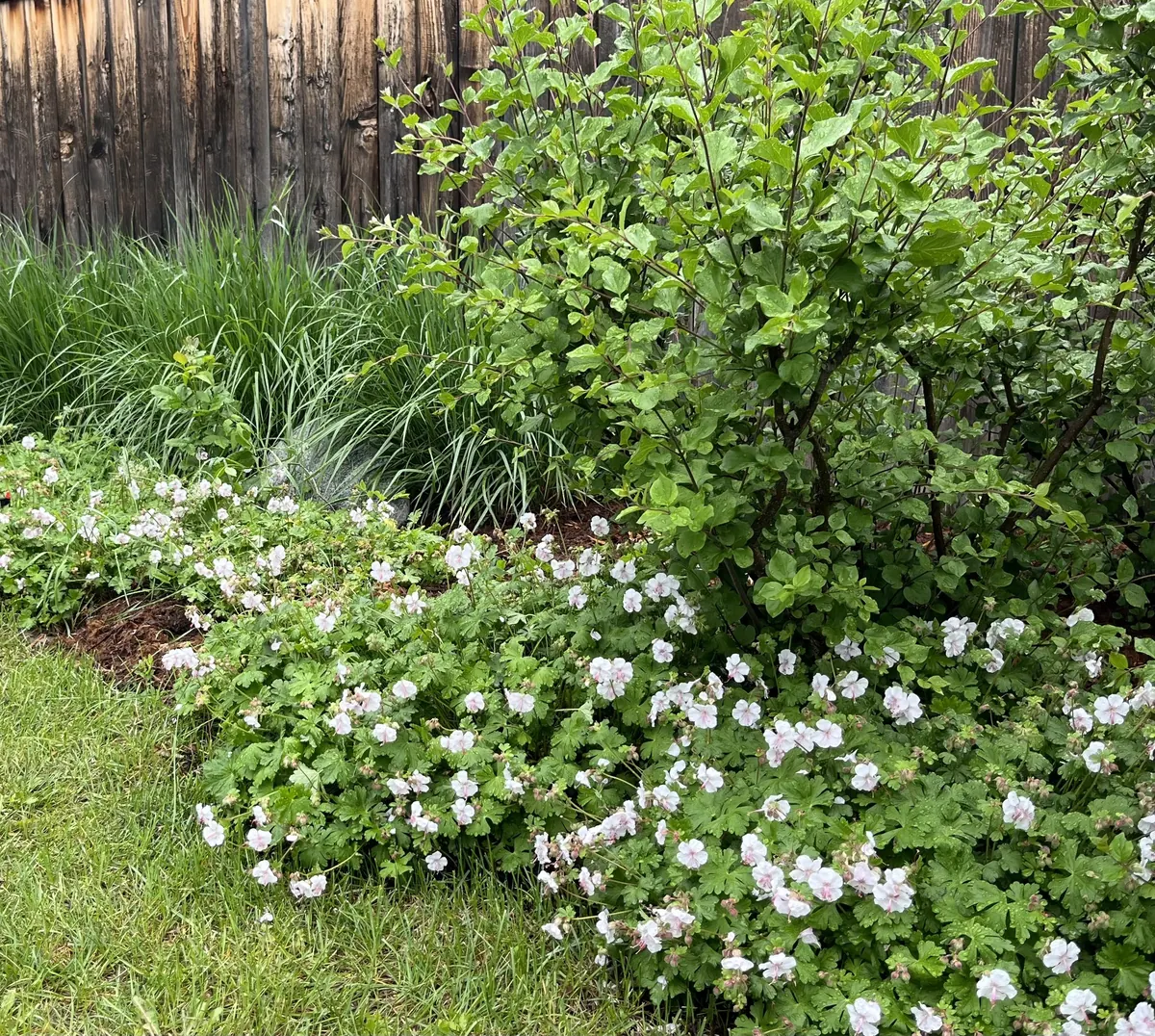
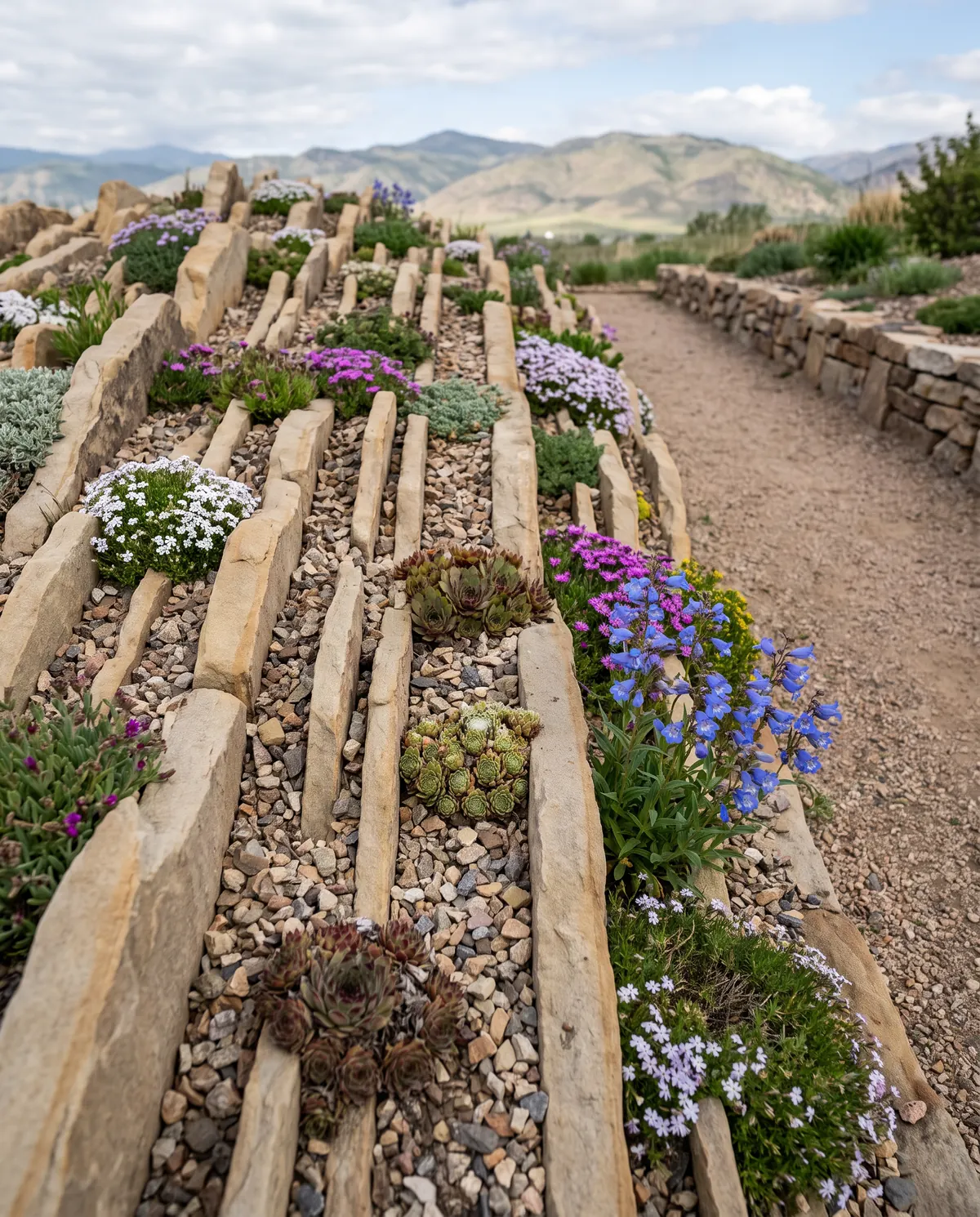
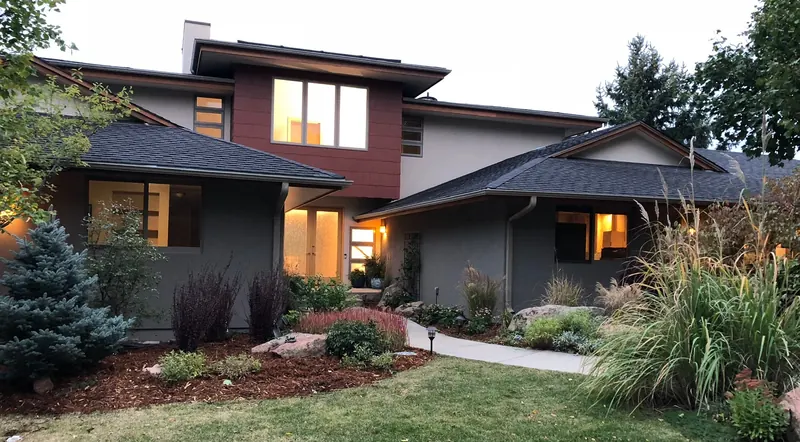
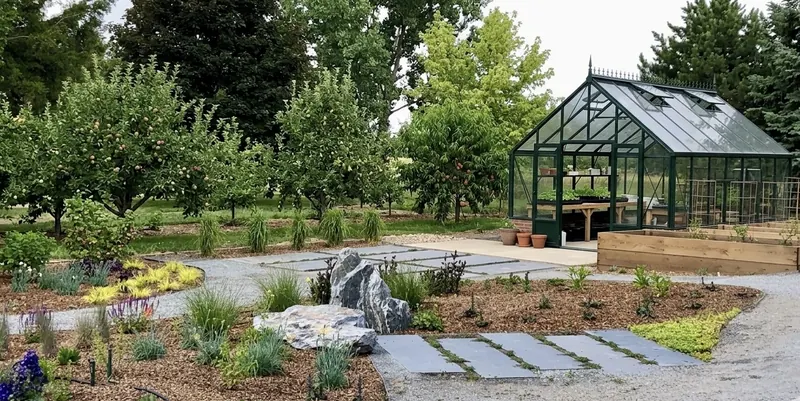
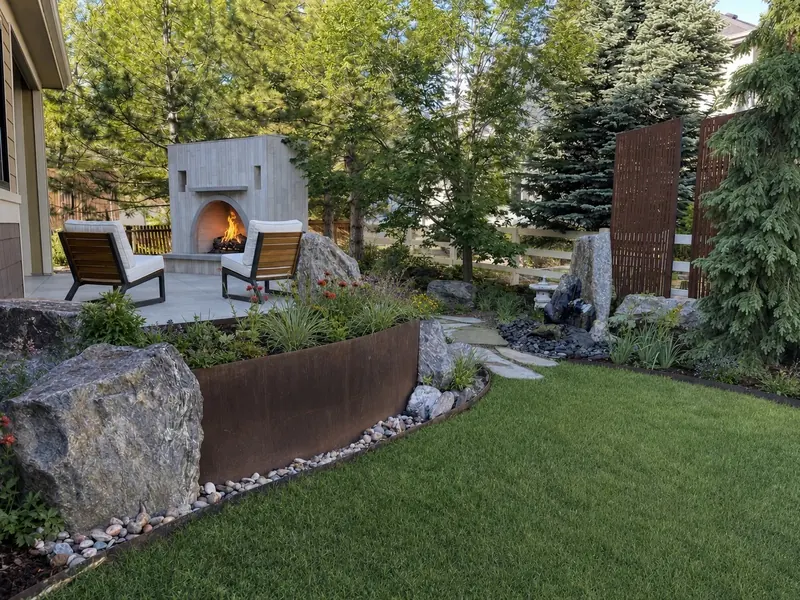
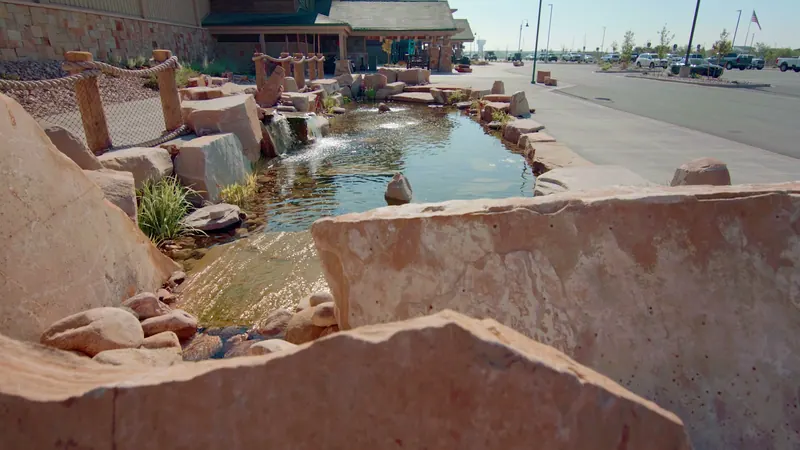

What makes a yard waterwise here?
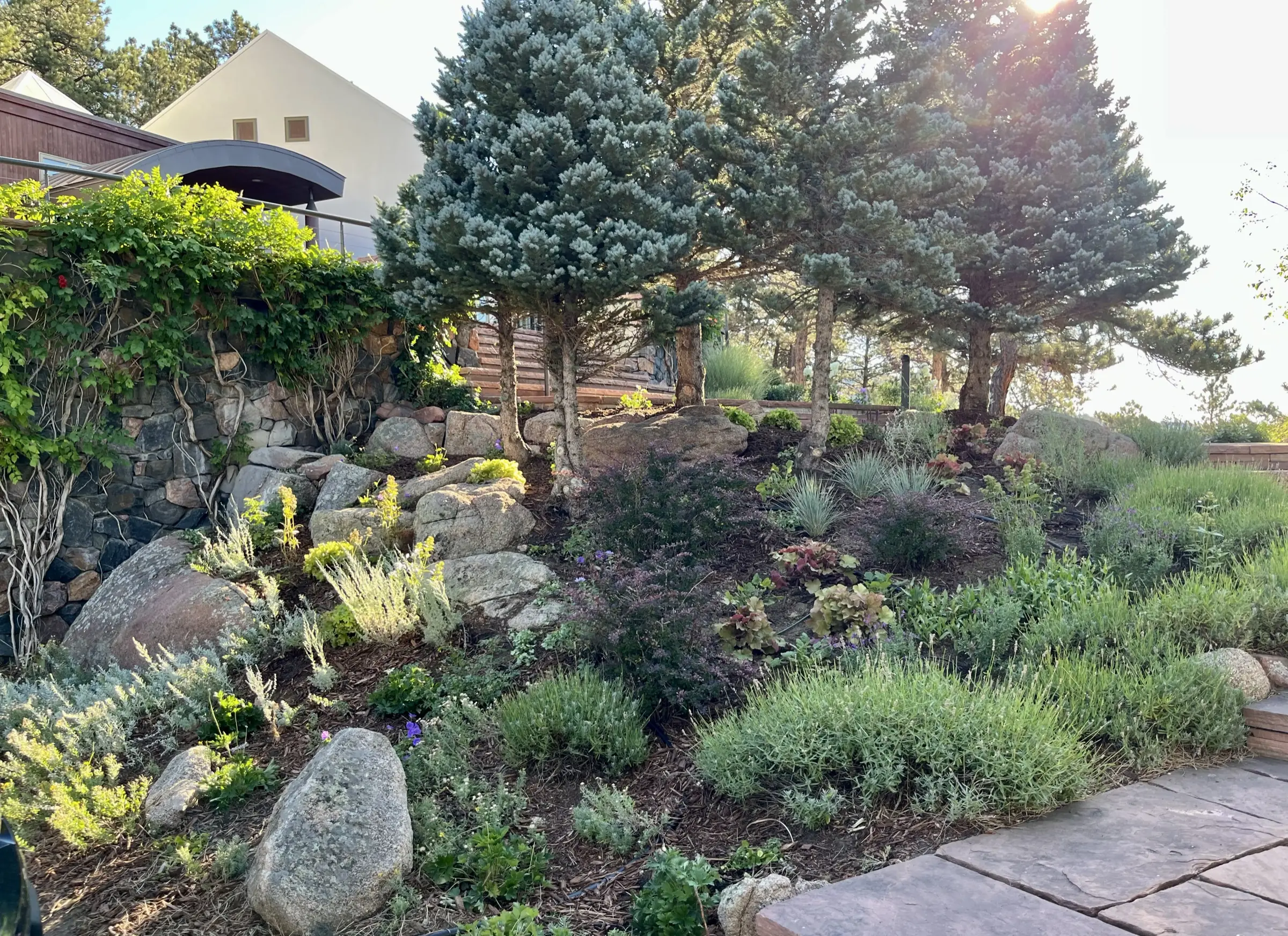
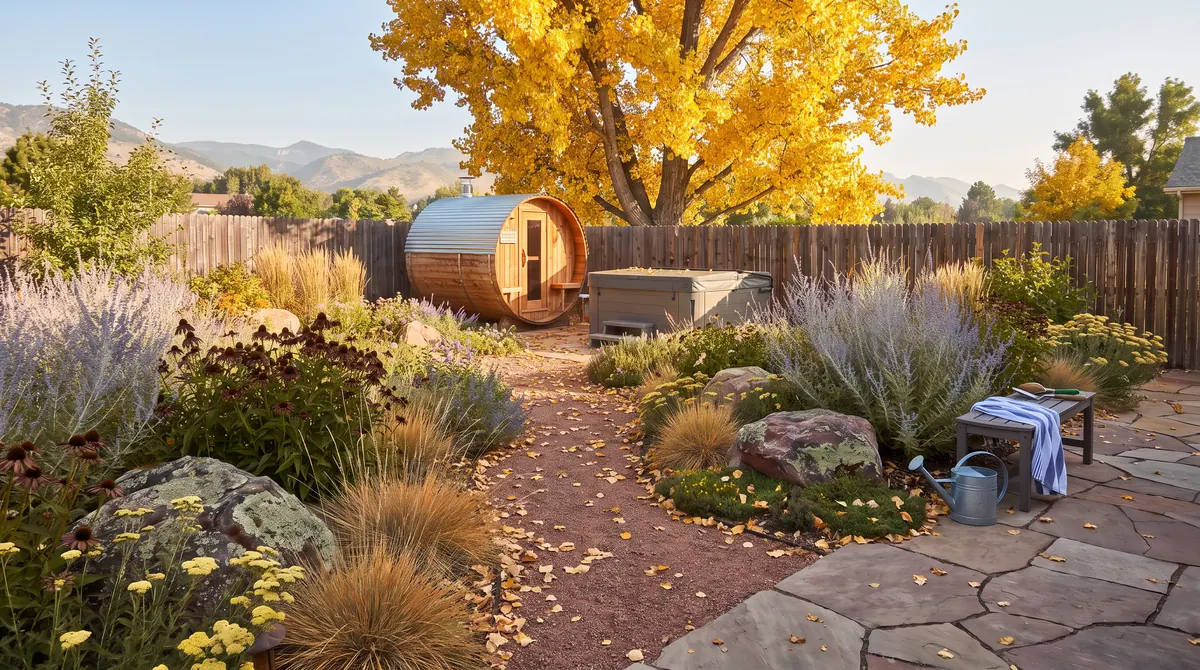
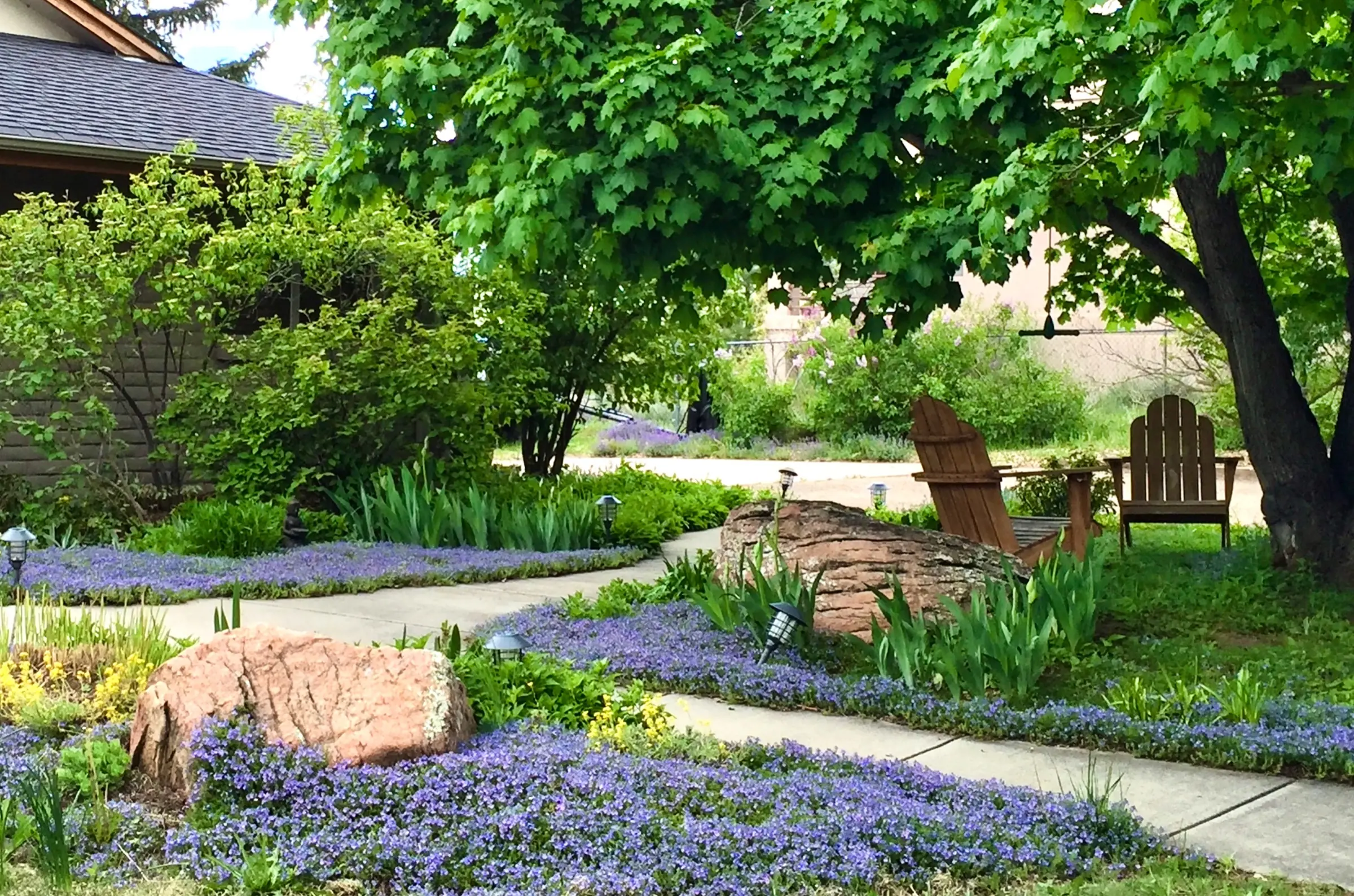
Colorado State University Extension sums it up in a few steps. Pick plants that suit the climate. Group them by how much water they need. Then water each group by what it needs, instead of running one clock setting across the whole yard. These groups are often called hydrozones.
Waterwise does not have to mean no grass. CSU says waterwise landscaping is not anti-turf. It matches the landscape to how you really use the site. A lawn where kids play or a dog runs earns its water. A strip of grass nobody walks on does not.
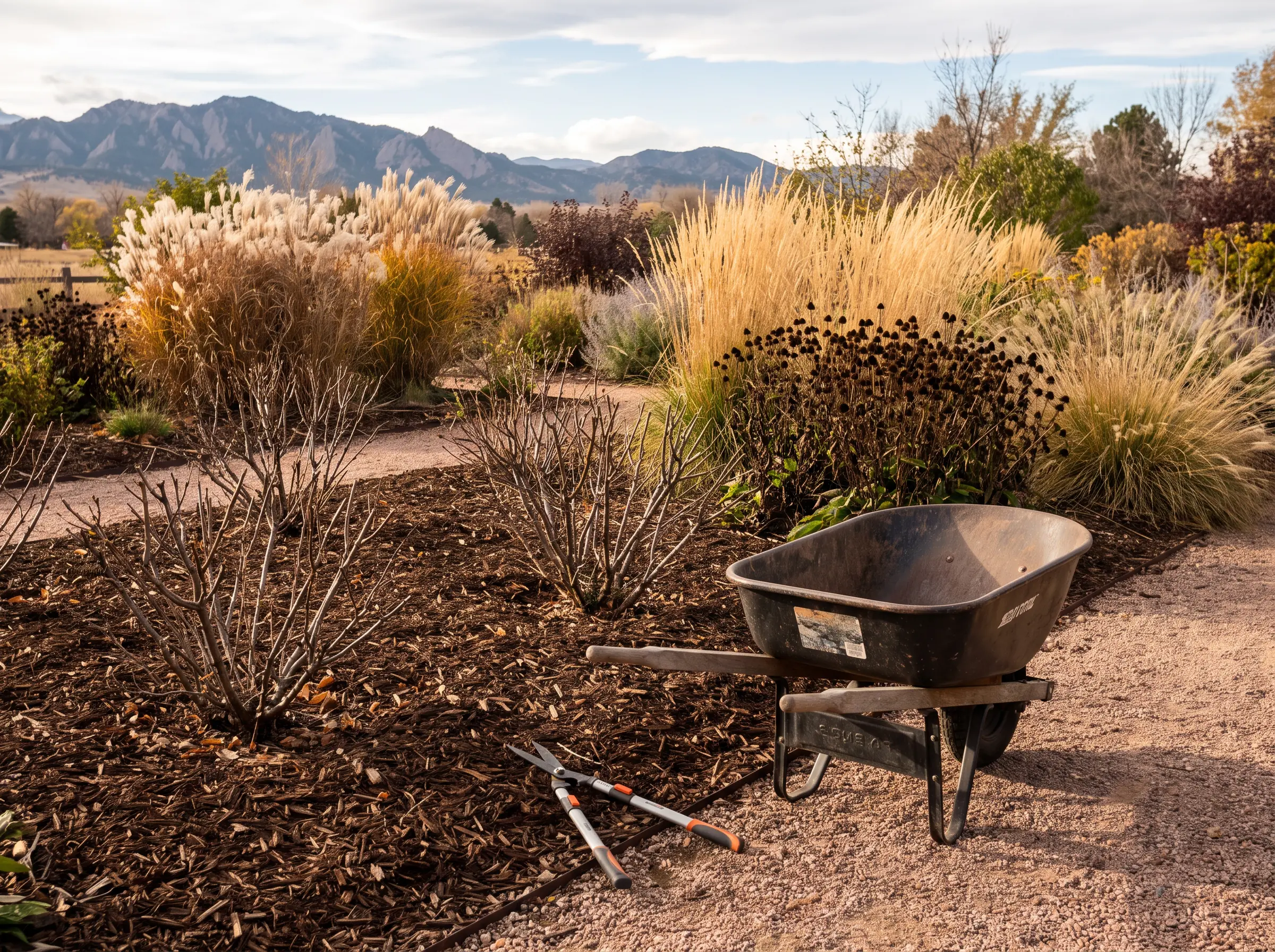
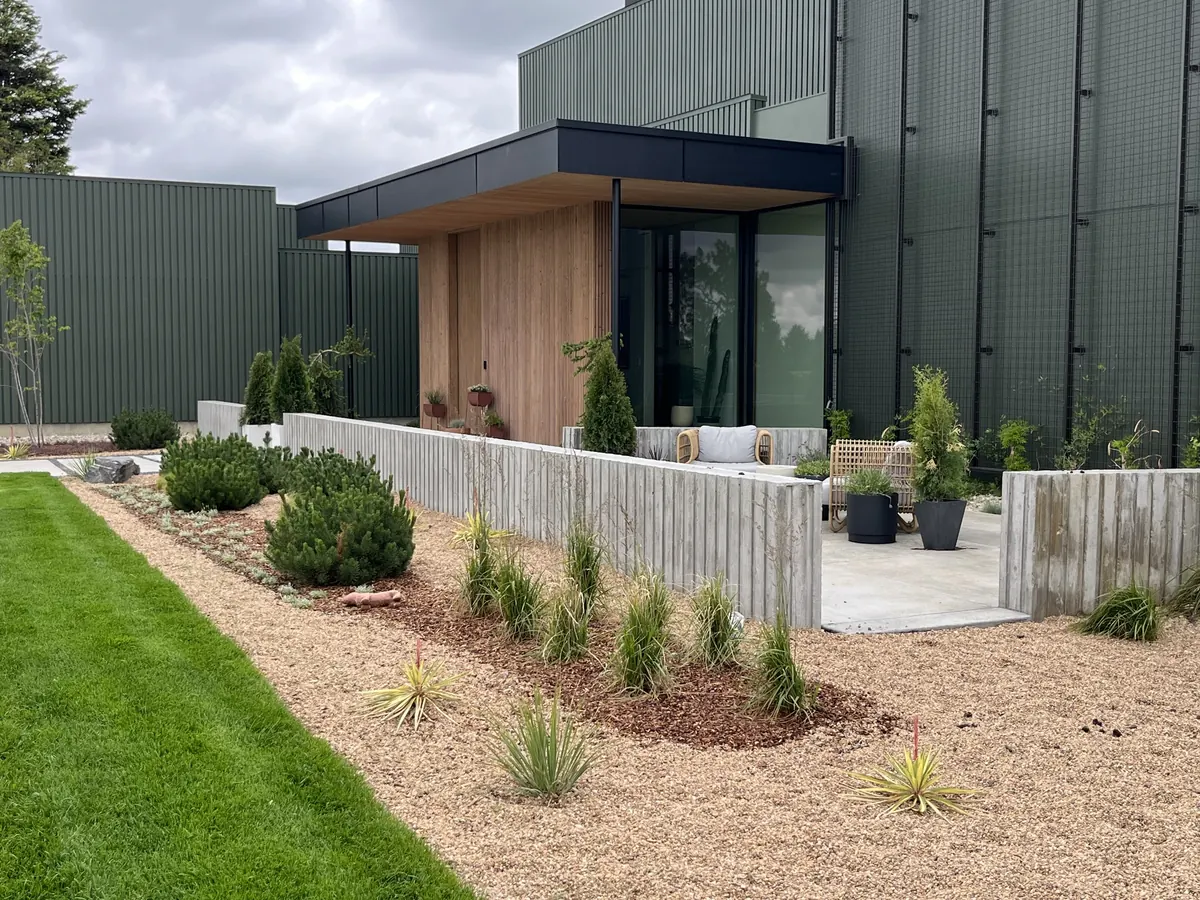
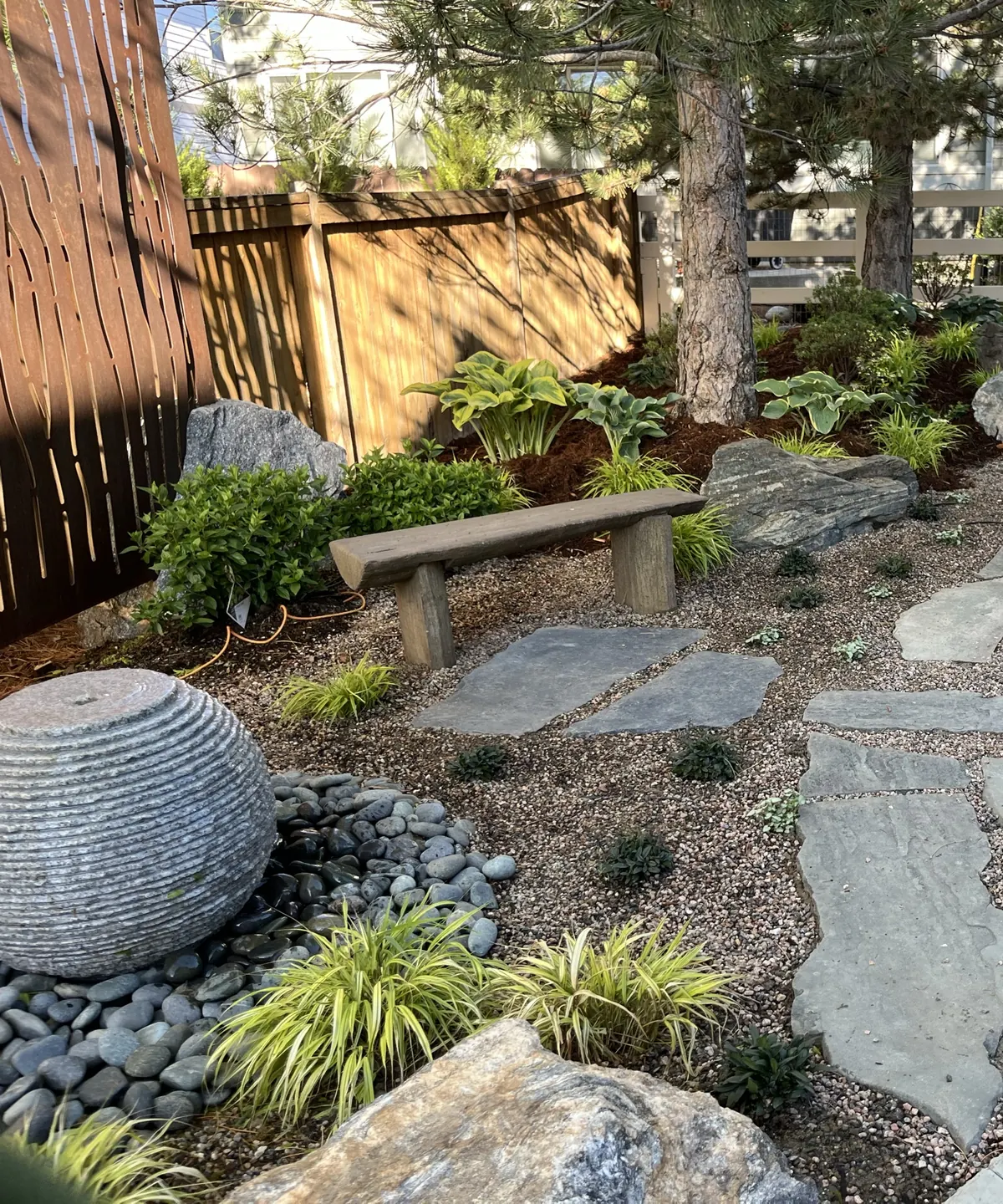
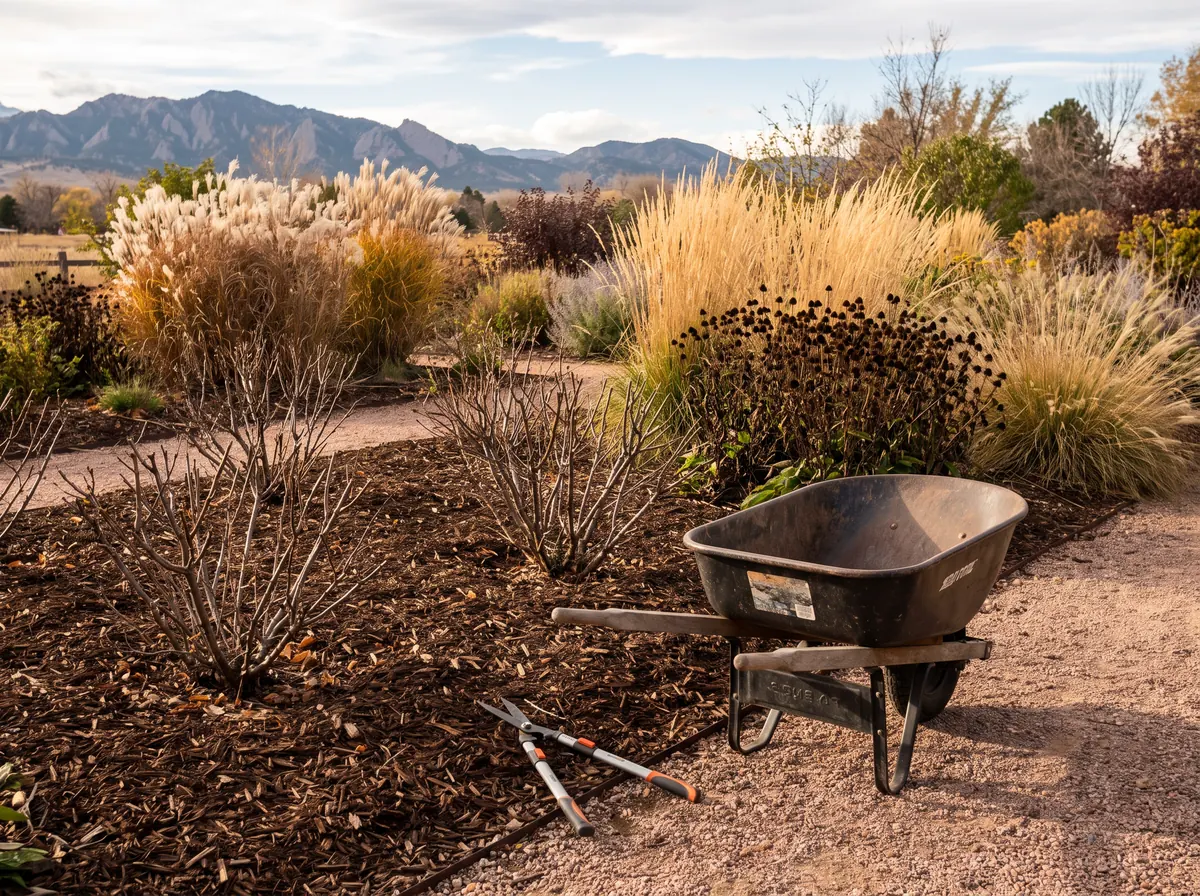
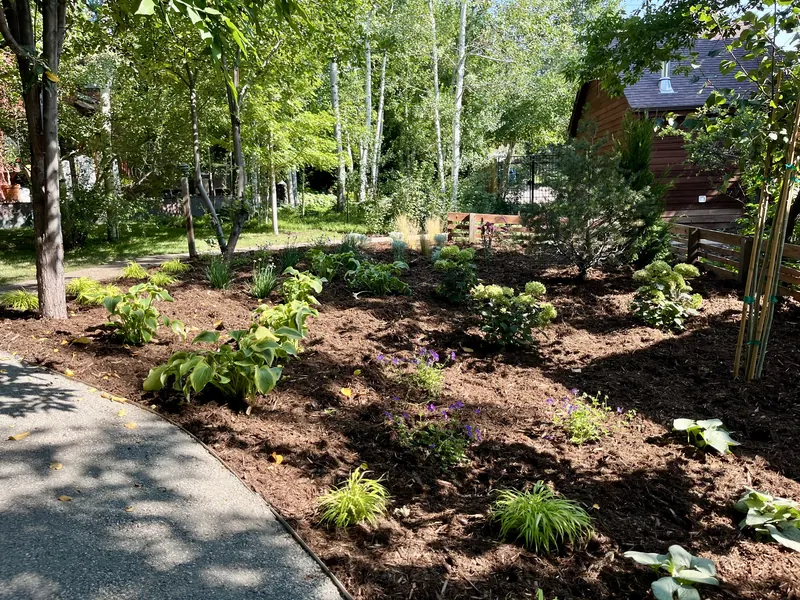
Mulch matters more than most people think. CSU says mulch cuts evaporation a great deal compared with bare soil, and suggests a layer 3 to 4 inches deep. Healthy plants also handle drought better, so good soil and good care are part of saving water too.
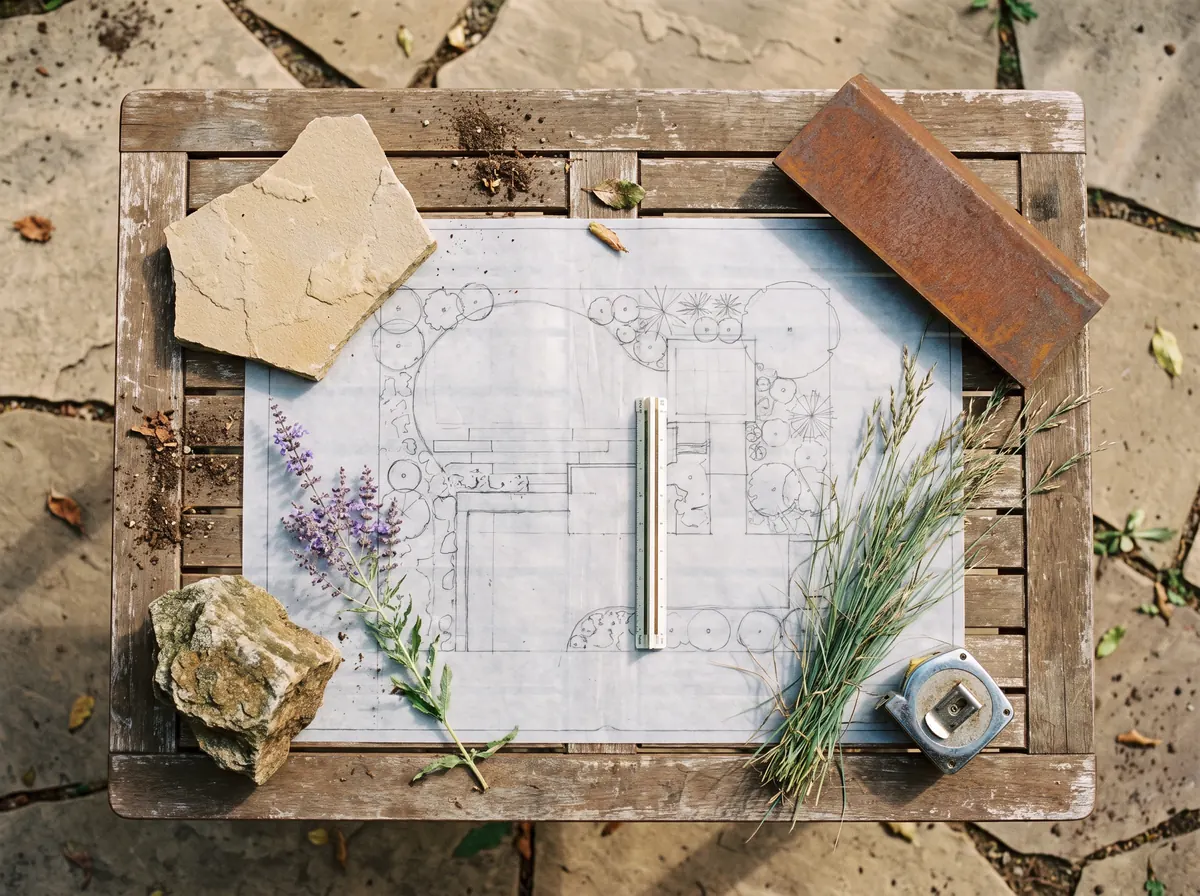
- Plan the yard as a whole before you buy plants.
- Group plants into high, medium and low water zones.
- Keep lawn only where people use it.
- Use drip or hand-watering for small and odd-shaped beds.
- Mulch beds 3 to 4 inches deep.
- Adjust the controller through the season.
Which plants and irrigation work best on the Front Range?
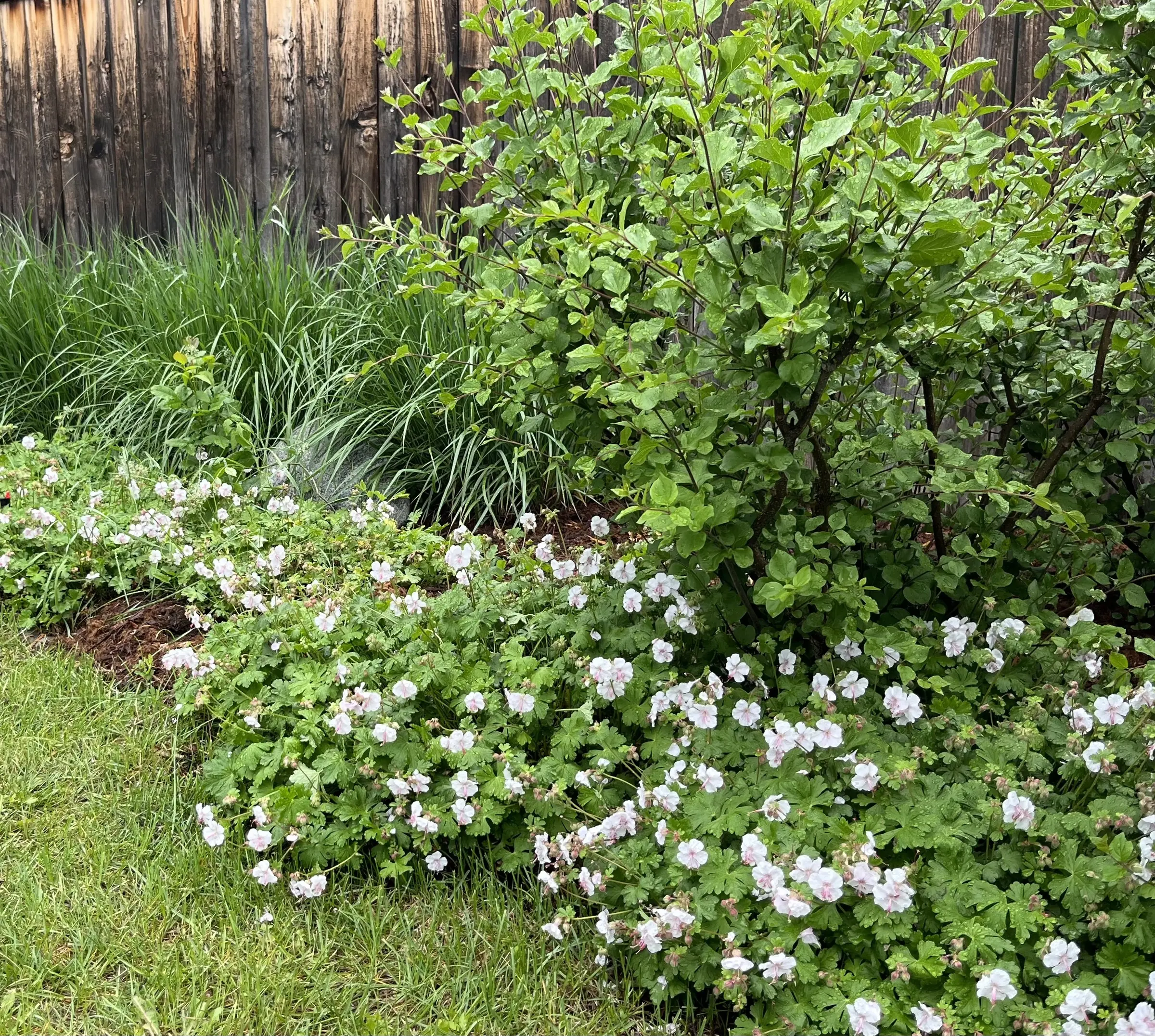
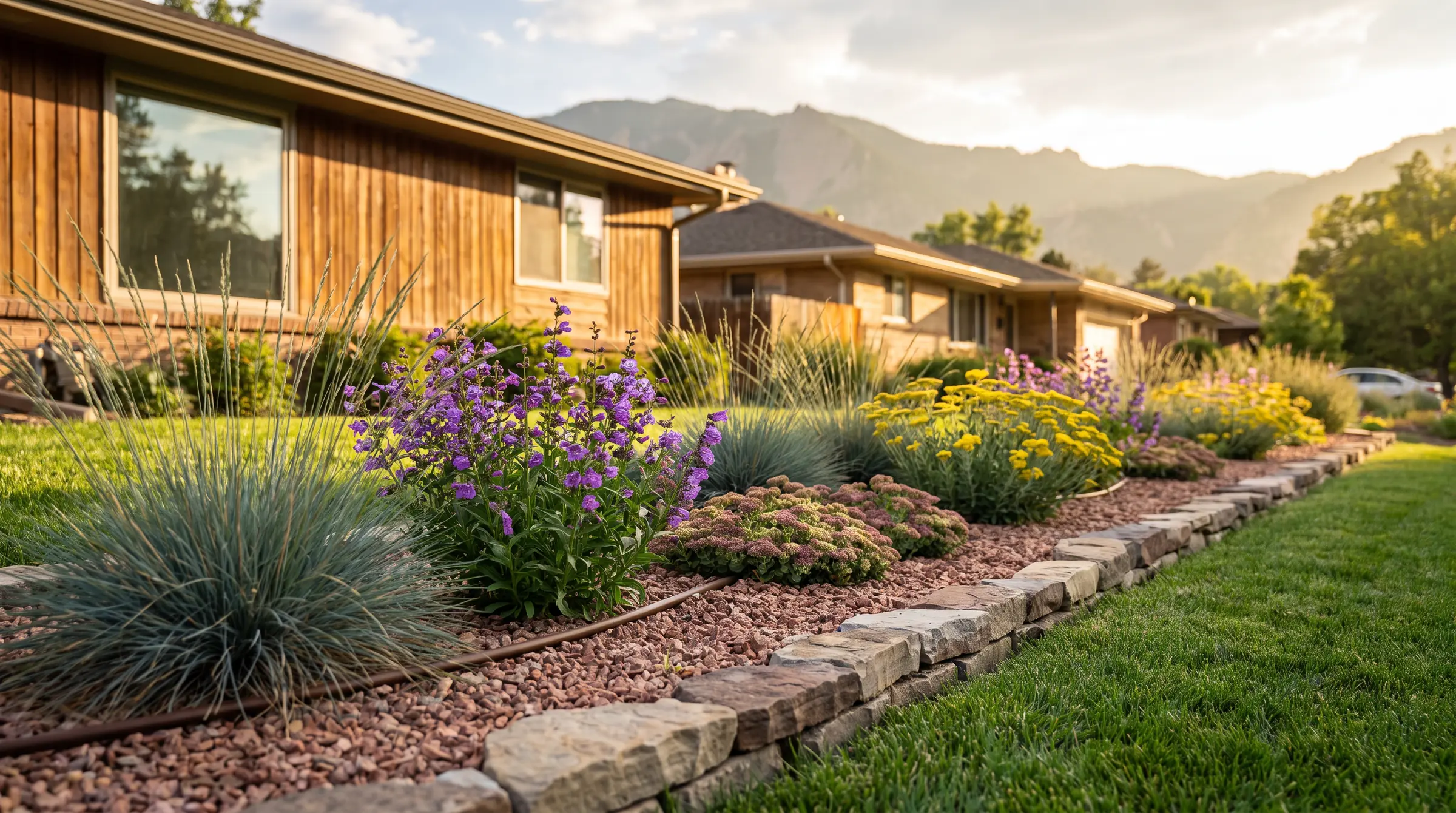
CSU's lawn conversion resources point to native plants, Plant Select picks, ornamental grasses, ground covers, and trees and shrubs suited to dry conditions. For lawn you keep, they list lower-water options such as buffalograss, native lawns and clover lawns.
For watering, CSU recommends drip or hand-watering for small or irregular areas instead of sprinklers. Where sprinklers do make sense, even coverage saves water. CSU calls for head-to-head spacing, so each sprinkler throws water to the next one.
Idlewild's irrigation approach, as described on its site, is to water perennials, shrubs and trees with drip, which puts water at the roots and trains plants to root deeply. Turf sprinklers get tuned, and the timer gets programmed for the season.
The City of Boulder adds timing tips that work anywhere nearby. Wait until May or June to turn sprinklers on, and hand-water trees in April if they need it. From May 1 to September 30, water before 10 a.m. or after 6 p.m. Water about twice a week, deeply, and split run times into short cycles, such as three five-minute runs an hour apart, so water soaks in. A rain sensor or smart controller can skip watering after rain.
What programs help in Boulder, Longmont, Lafayette and Louisville?
Most cities here work with Resource Central, a Colorado nonprofit, for outdoor water programs. Its Lawn Replacement program lists Boulder, Longmont, Lafayette, Louisville, Erie and Berthoud among its partners. The table shows what each city's own page lists. Programs change every year, so check the page before you plan around one.
Lawn Replacement has a few basic rules. The project must be at least 200 square feet. At least half of the new area must be waterwise plants. You need to be in good standing with your water provider, follow local rules and get HOA approval if you need it. For the do-it-yourself option, you cannot start removing lawn until Resource Central approves the project. The program fills up, so apply early.
Does Colorado's 2024 turf law apply to my yard?
Not to your own house. Senate Bill 24-005 limits nonfunctional turf, artificial turf and invasive plants on what the law calls applicable property. That means commercial, institutional and industrial property, HOA common areas such as entryways and parks, and street right-of-way, parking lots and medians. A 2025 law, House Bill 25-1113, adds apartment and condo properties with more than 12 homes, starting January 1, 2028. A single-family yard is still not covered.
On and after January 1, 2026, local governments may not allow new nonfunctional turf on those properties. Turf already in place can be kept up. Functional turf, such as grass in parks, sports fields and play areas that people use often, is not covered.
The 2025 law also asks cities and counties to adopt rules by January 1, 2028 that cut the water lawns use at other homes. So expect your own town's rules for new lawns to change over the next few years.
Longmont also changed its own landscape code on January 1, 2026. It now says nonfunctional turf is prohibited, and that drought-tolerant plants or native ground cover should be the main ground cover. Those rules apply to landscape plans for new development and redevelopment. For existing yards, the city offers approved templates for owners who want to convert lawn on their own.
How do you convert a lawn without losing the yard?
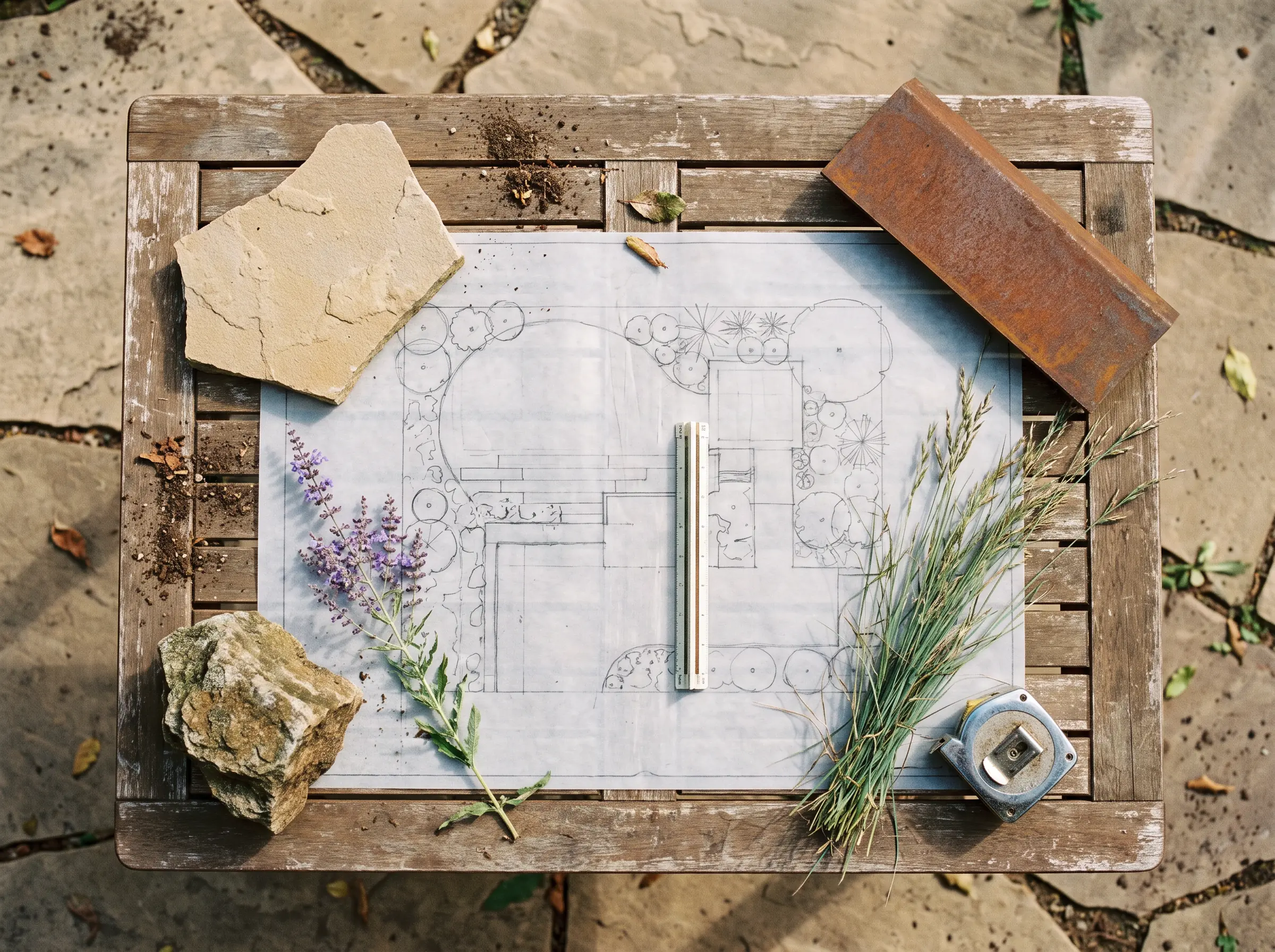
Start with how you live outside. Mark the lawn you want to keep for play, pets or gatherings. Everything else becomes a candidate for planting beds, paths or a patio.
Then work through the water. Old sprinkler zones rarely match new beds, so plan to change heads, cap lines or switch zones to drip. Soil prep depends on the site, as CSU notes. New plants need regular water the first season even when they are low-water plants later.
Idlewild designs the planting and the irrigation together, and its seasonal maintenance adjusts irrigation as temperatures change through the year. If you are working with a city program, ask early how its rules fit your plan.
- Decide which lawn stays.
- Check program rules before you remove anything.
- Remove or solarize the turf you are replacing.
- Prepare the soil for the new plants.
- Rework the irrigation zones and add drip.
- Plant, mulch and water in.
- Reset the controller for the new zones.
What each city lists for outdoor water saving (from each city's water page, checked November 2026)
| Programs the city lists | Watering rules noted | |
|---|---|---|
| Boulder | Slow the Flow sprinkler checks, Lawn Replacement, Garden In A Box and Waterwise Yard Seminars through Resource Central; demonstration gardens at East Boulder and North Boulder rec centers and Emma Gomez Park; water budgets | From May 1 to September 30, water before 10 a.m. or after 6 p.m. |
| Longmont | Lawn Replacement, Slow the Flow and Garden In A Box through Resource Central; sprinkler rebates through Efficiency Works | New landscape code since January 1, 2026; nonfunctional turf prohibited in new development |
| Lafayette | Garden In A Box, Slow the Flow, Lawn Replacement, smart controllers and rain sensors, seminars, rain barrels and outdoor water efficiency rebates; Northern Water grants for large turf projects | No outdoor watering from 10 a.m. to 6 p.m.; irrigation limited to three days a week |
| Louisville | Resource Central waterwise programs, rain barrels and Northern Water landscape templates | See the city's water restrictions page |
Questions
Is a waterwise yard just rock and cactus?
No. CSU describes waterwise landscaping as matching the landscape to how you use the site. It can include lawn, perennials, grasses, shrubs and trees, grouped by water need and mulched well.
When should I turn my sprinklers on?
The City of Boulder suggests waiting until May or June. April is too early for most yards. Hand-water trees and plants in spring if the weather is dry.
Can I start pulling out my lawn before I apply for a program?
Not for Resource Central's do-it-yourself Lawn Replacement option. Lawn removal cannot begin until the project is approved, and projects already started are not eligible.
Does the state turf law ban lawns at my house?
No. Senate Bill 24-005 covers commercial, institutional and industrial sites, HOA common areas and road areas such as medians. A 2025 law adds apartment and condo properties with more than 12 homes from 2028. Single-family yards are not covered, though your town may set its own rules.
Are rain barrels allowed?
Yes, within limits. The City of Boulder allows a limited number and total size for single-family and small multifamily homes. The water is for outdoor use only, and barrels need a sealed lid and screens. Lafayette lists rain barrels among its programs too.
How much water does replacing a lawn save?
Resource Central says its Lawn Replacement projects save an average of 15,000 gallons a year. Your savings depend on how much lawn you replace and how you water what is left.
Sources 11
- Water-Wise Landscape Design: Steps (CSU Extension GardenNotes #411)
- Lawn Conversion Resources (PlantTalk Colorado, CSU Extension)
- Water Conservation (City of Boulder)
- City of Longmont Water Wise Programs
- Landscape Regulations (City of Longmont)
- Water Efficiency (City of Lafayette)
- Water conservation (City of Louisville)
- Lawn Replacement Program (Resource Central)
- SB24-005 Prohibit Landscaping Practices for Water Conservation (Colorado General Assembly)
- HB25-1113 Water-Wise Landscaping Requirements (Colorado General Assembly)
- Session Law 2024, Chapter 26 (SB24-005 as signed)