
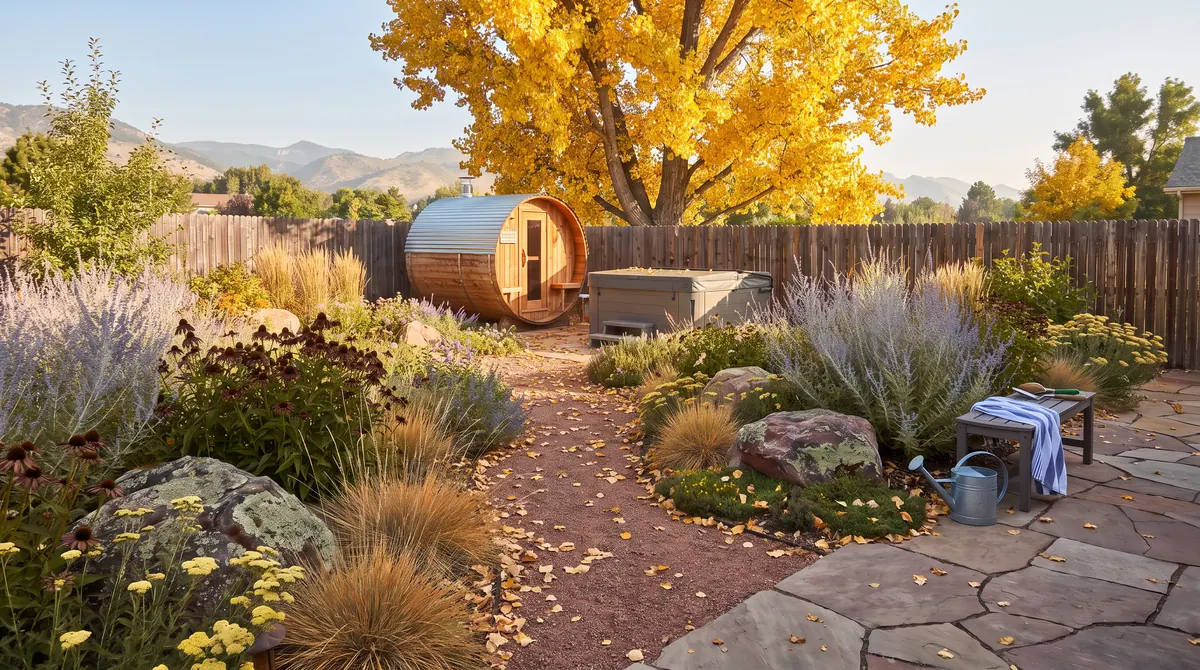
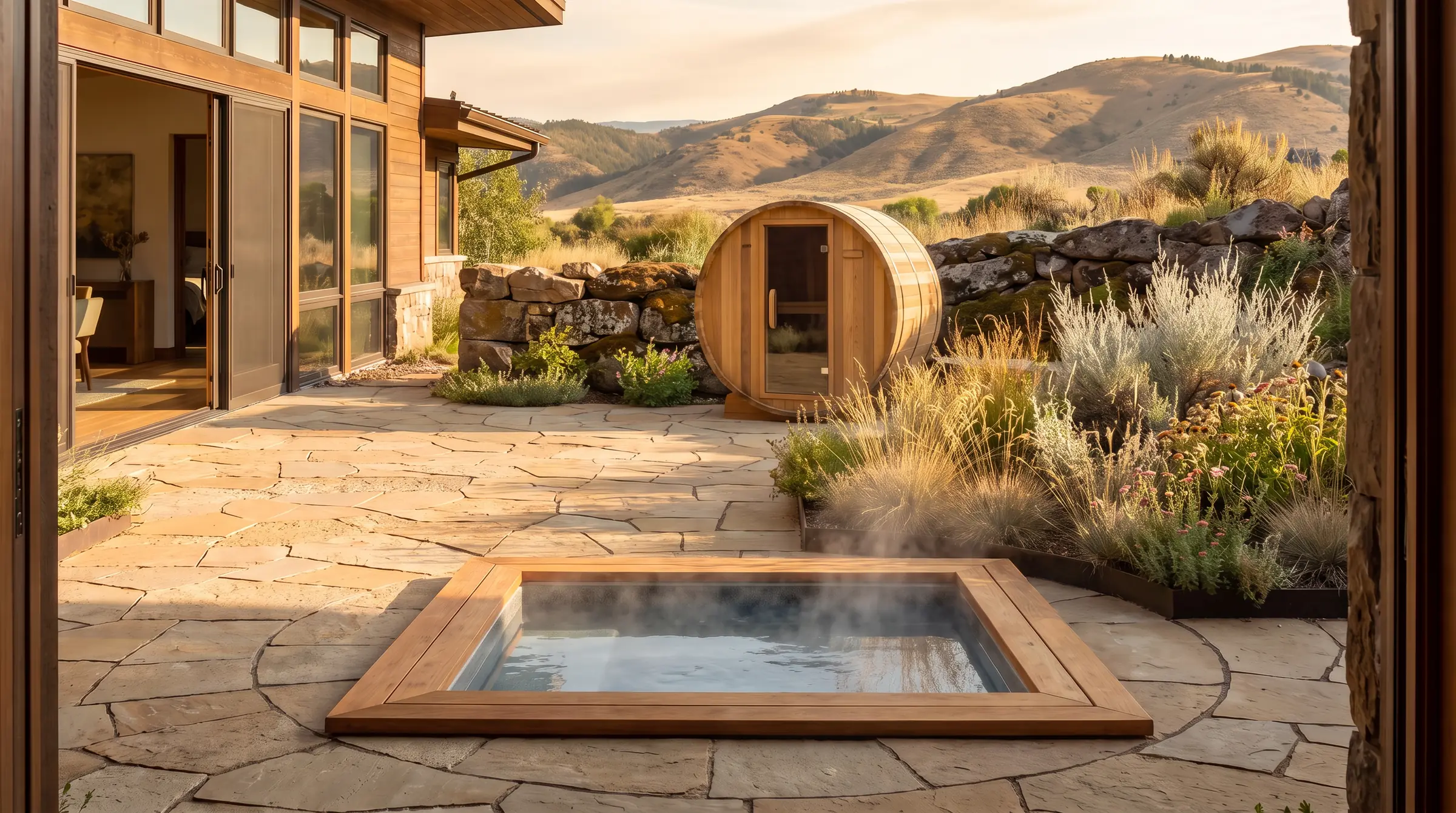
Where should a plunge pool or hot tub go?
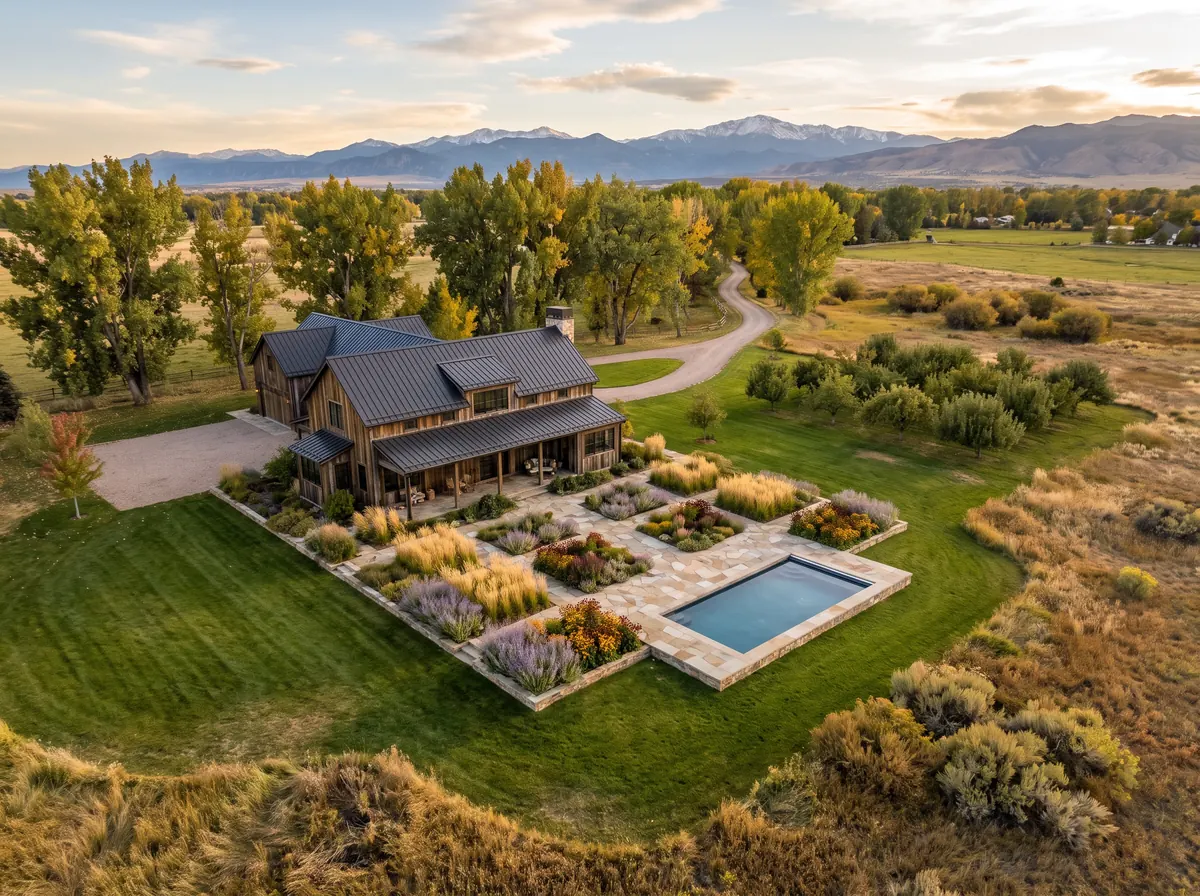
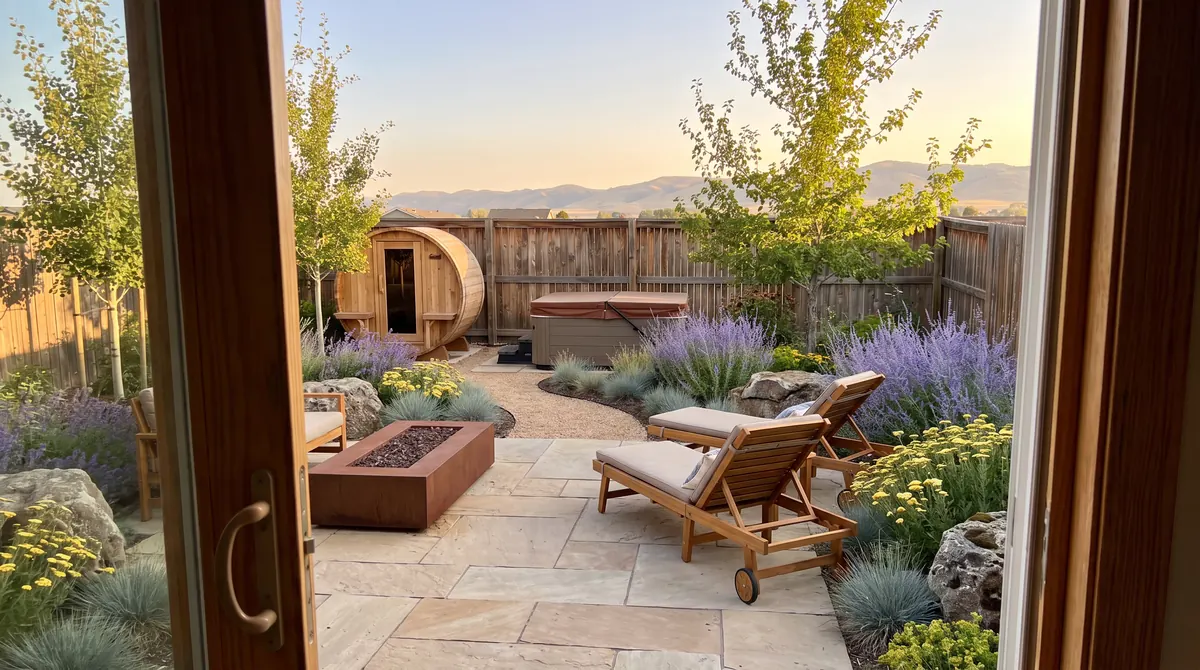
Placement decides how often you use it. Where the water sits, how you reach it, the view from it, privacy, shade and how it connects to the house all matter. Idlewild plans these from the first sketch, not after the rest of the yard is done.
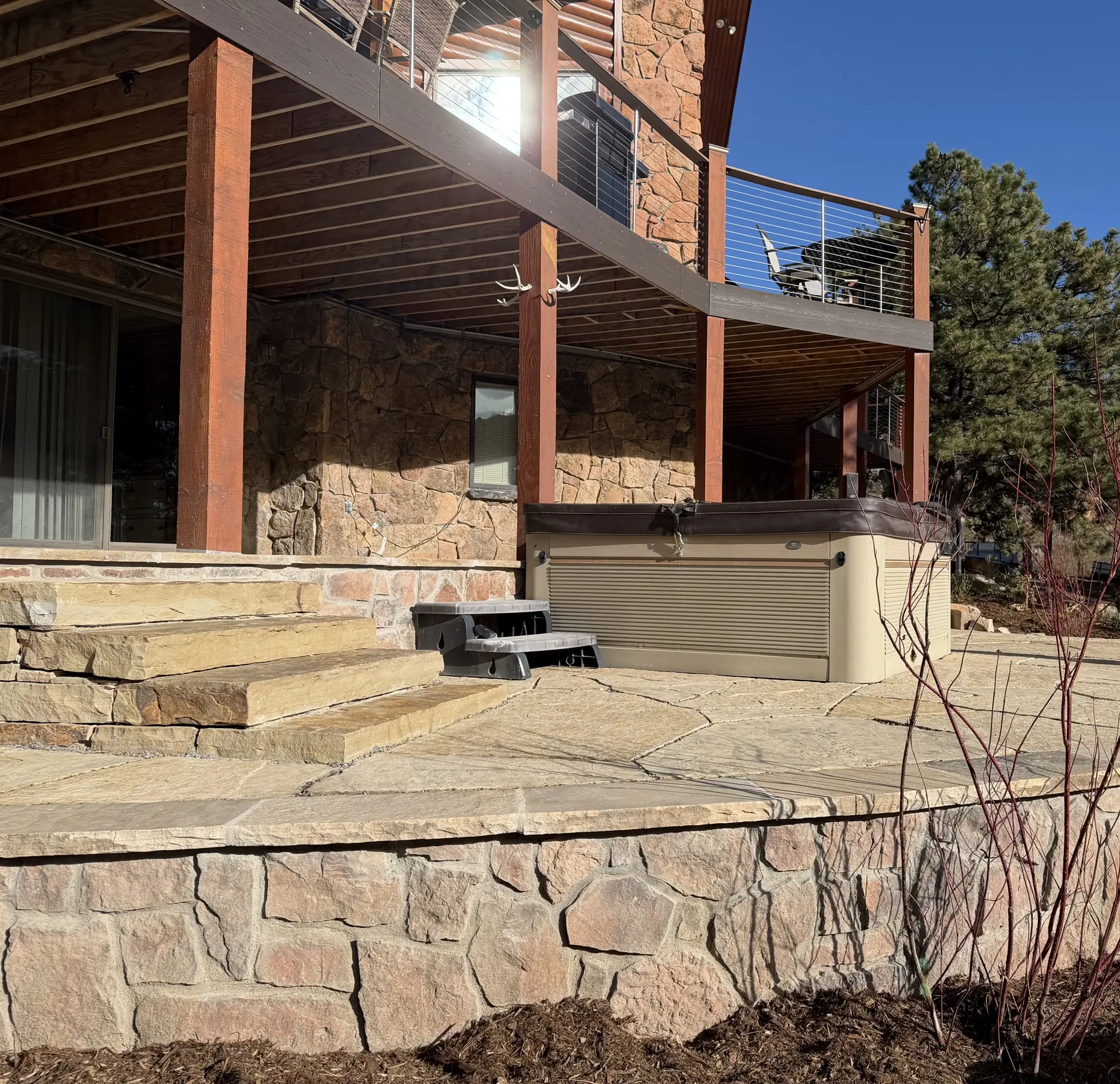
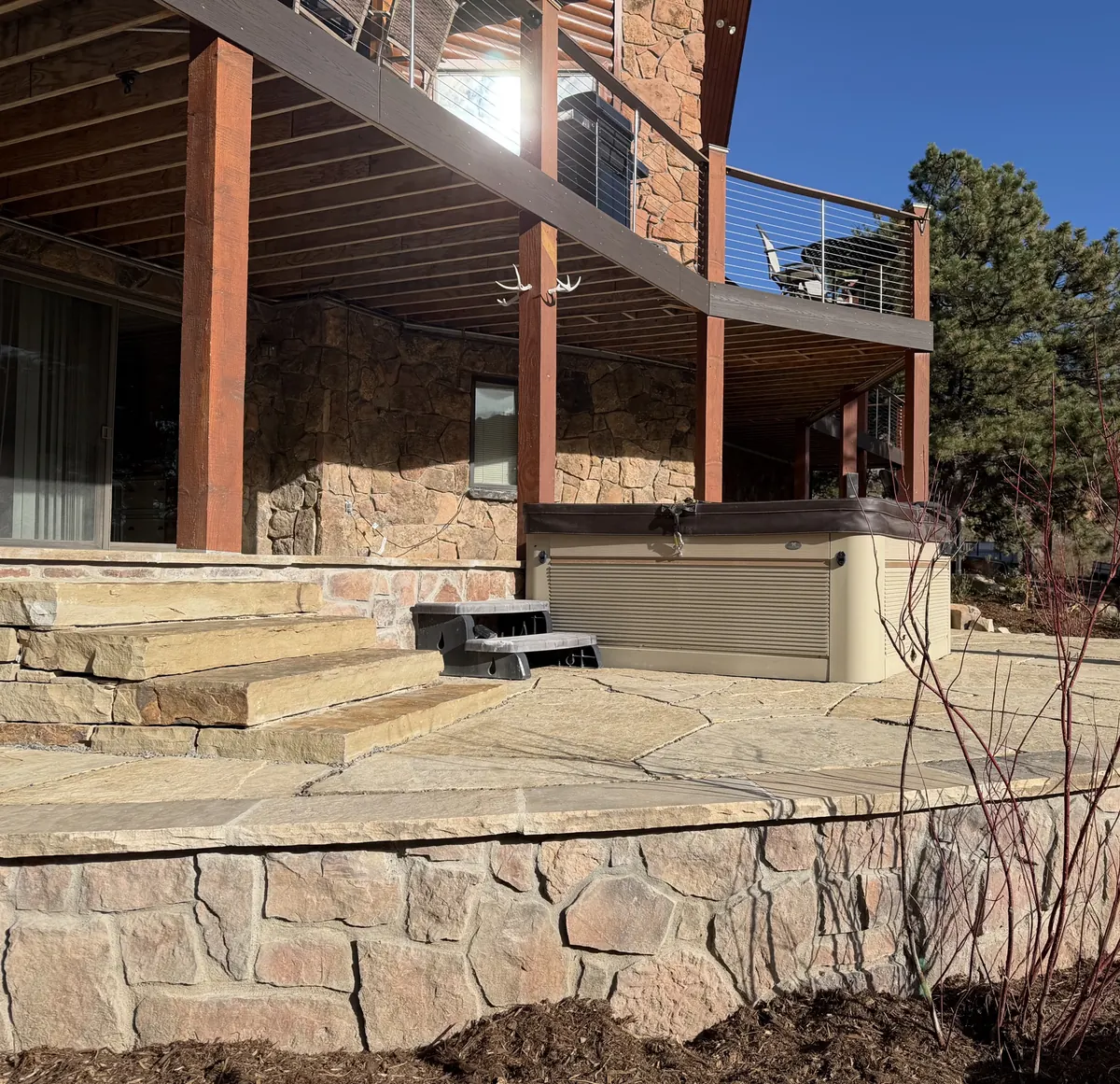
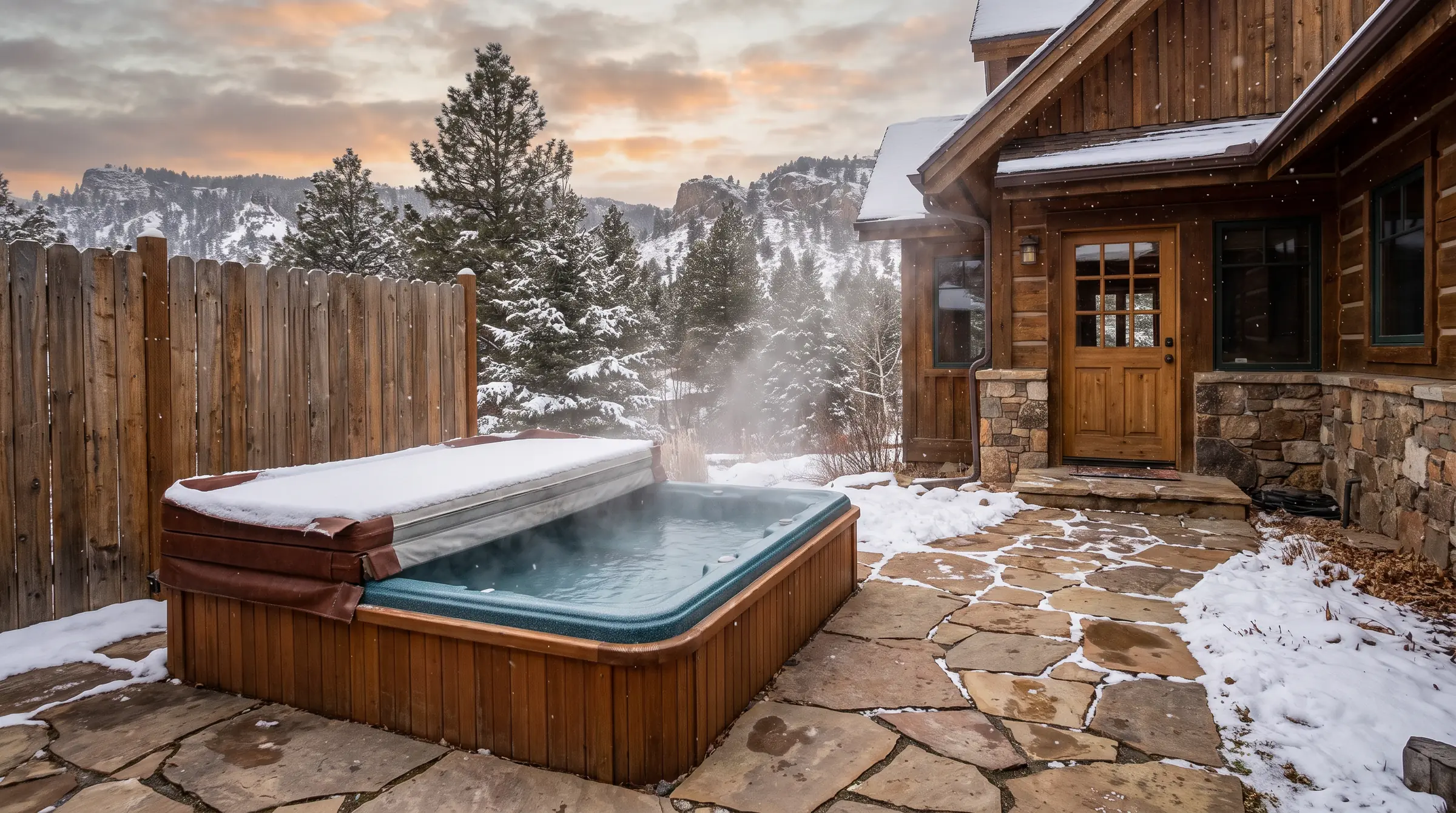
In Colorado, winter shapes the plan. A spa 15 steps from the back door gets used in January. One at the far end of the yard often doesn't. A short, direct path that is easy to shovel matters more here than in milder places.
- Close to a door you use every day.
- Sheltered from the prevailing wind by the house, a wall or planting.
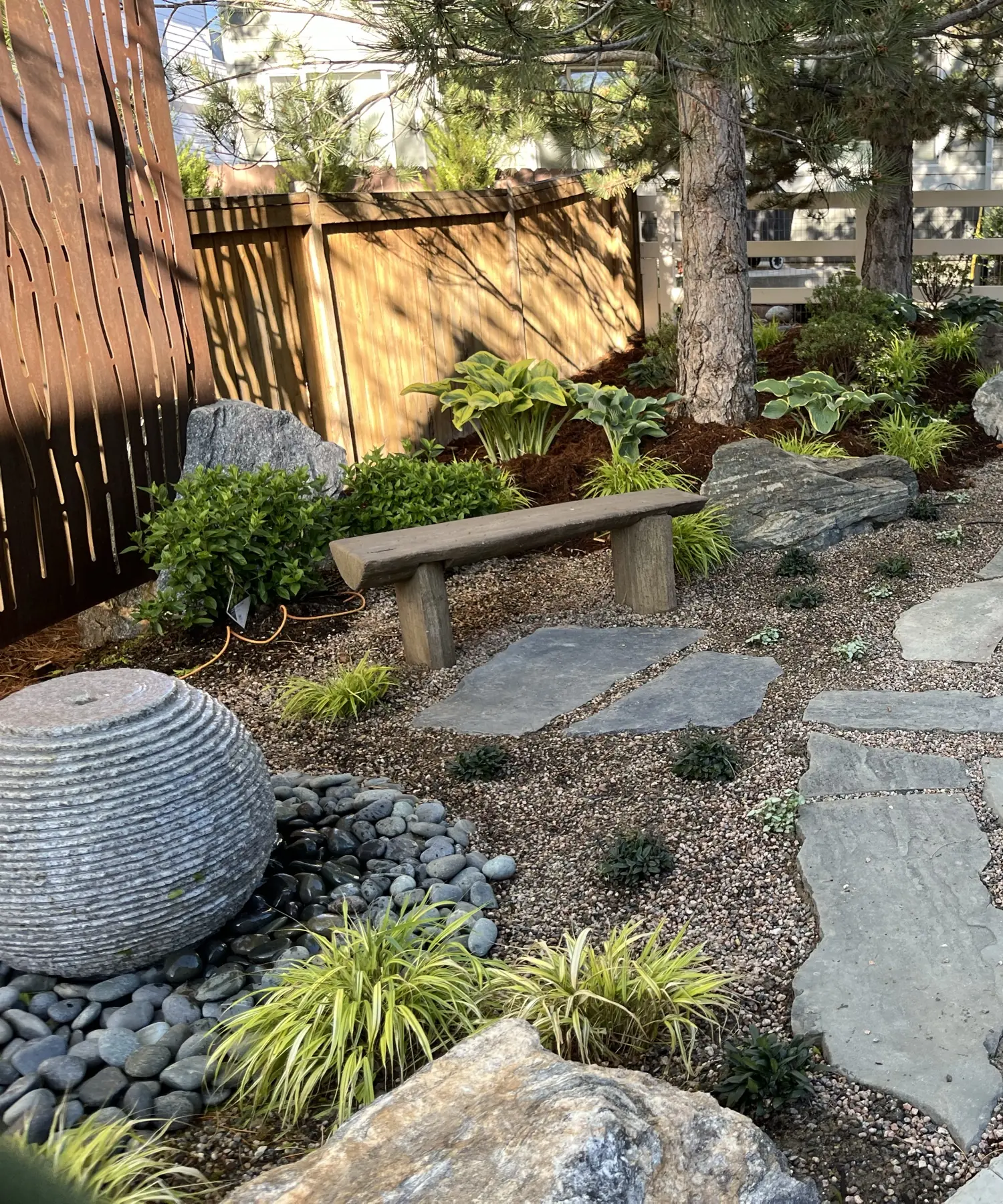
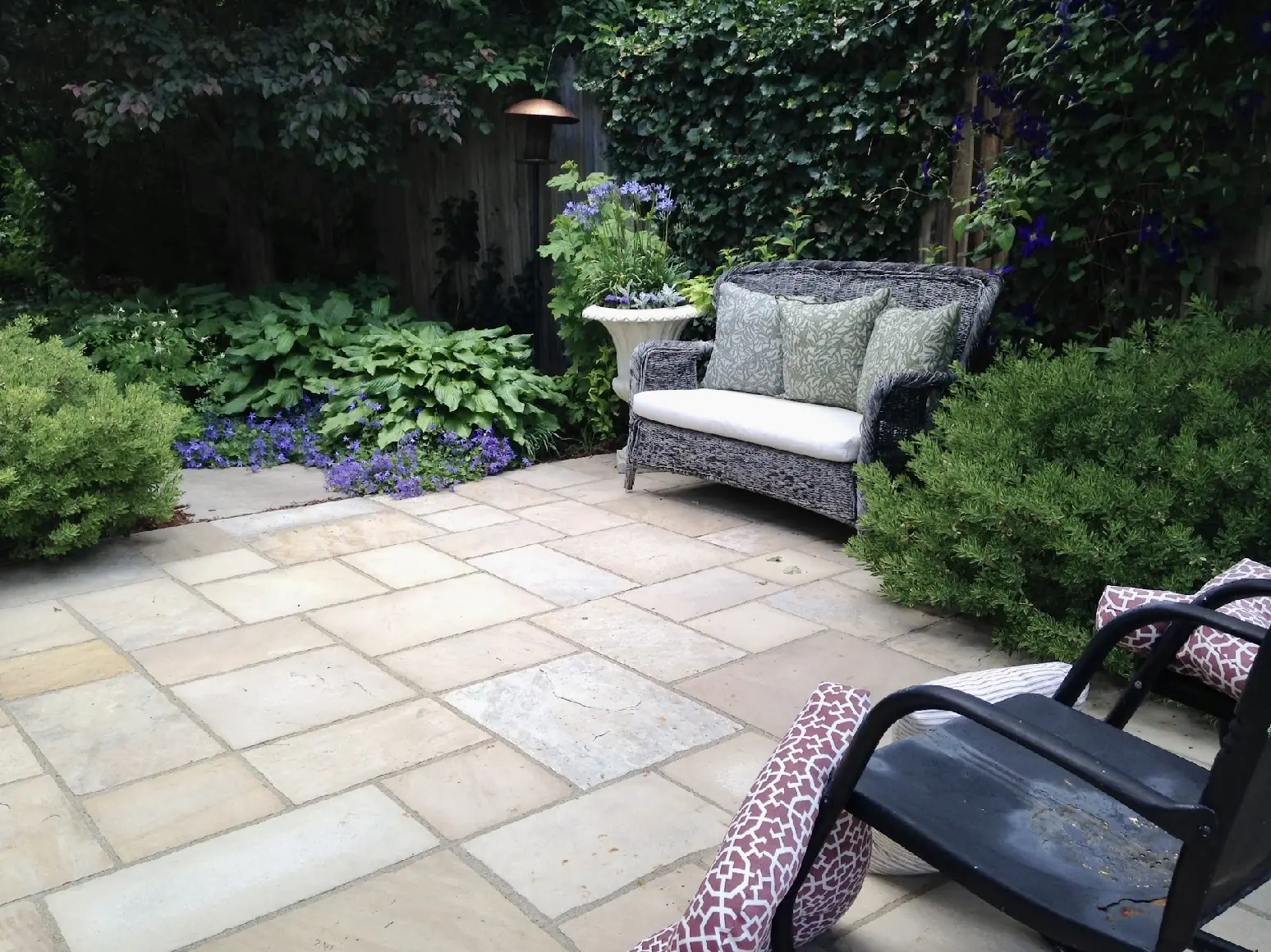
- Screened from neighbors' windows.
- A view you like from the water, and from inside the house.
- Room for the equipment, with access to service it.
- Ground that drains away from the water and the house.
How do you use it through a Colorado winter?
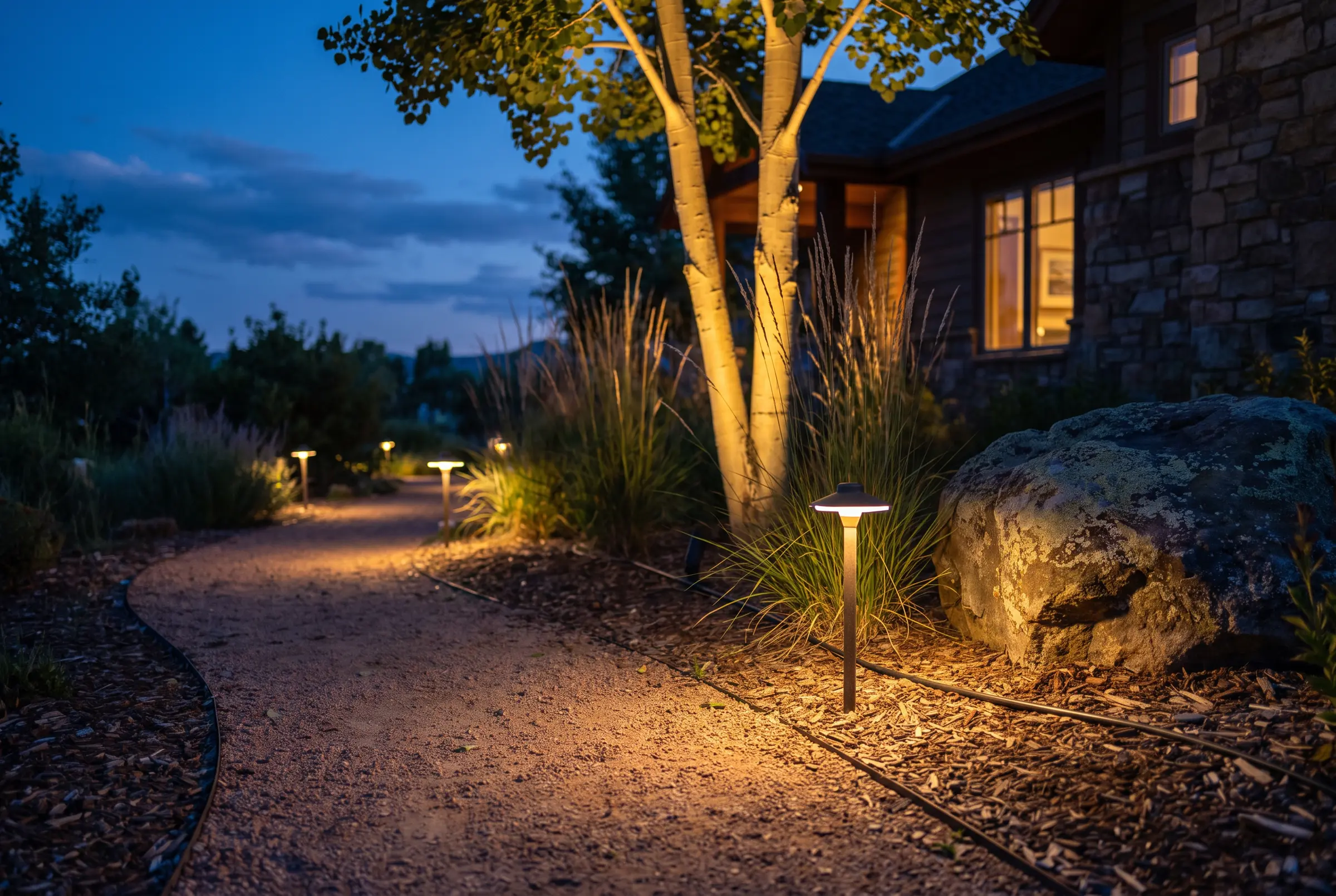
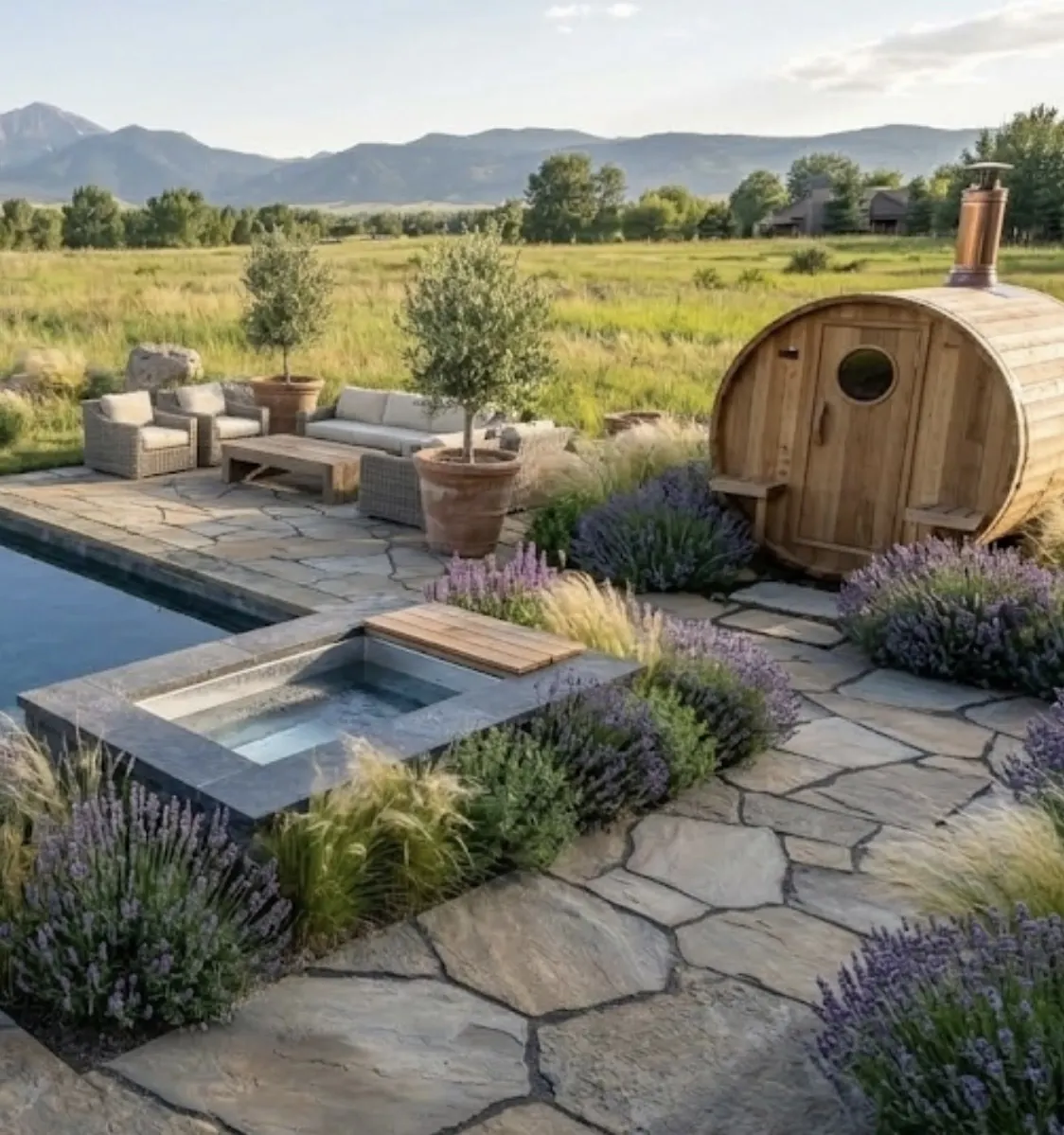
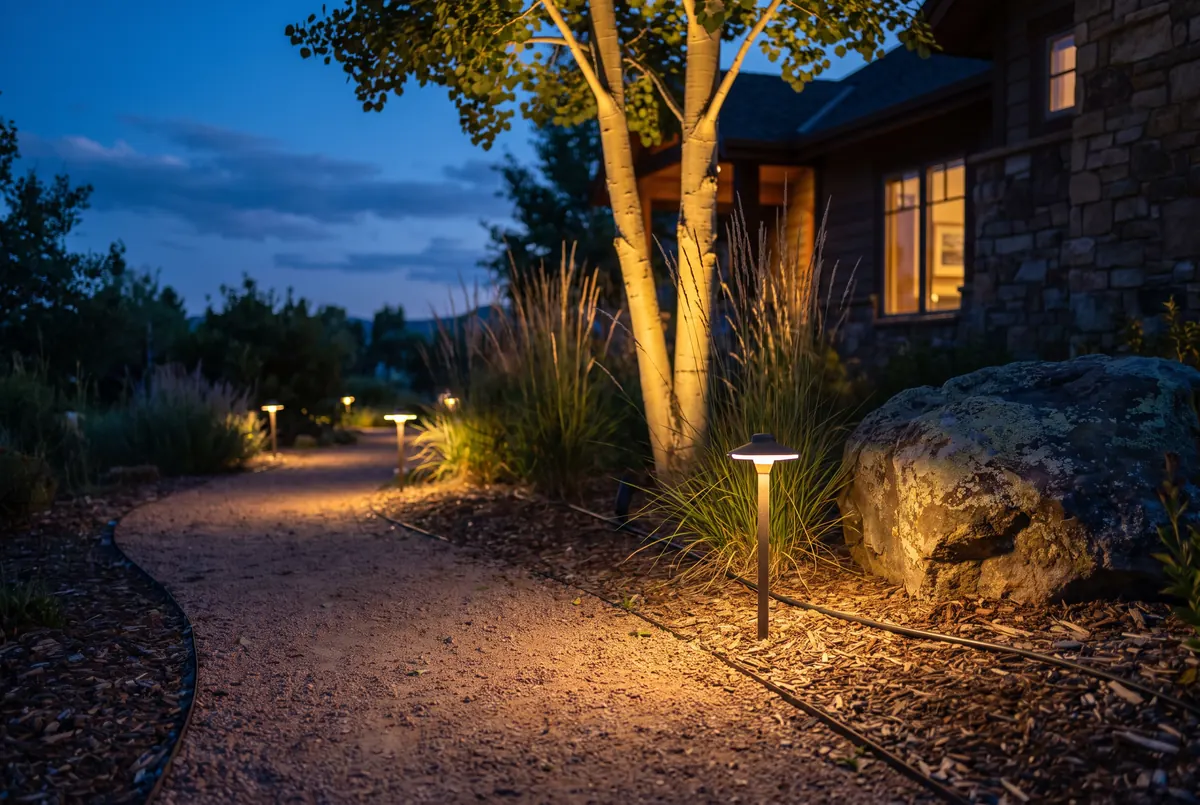
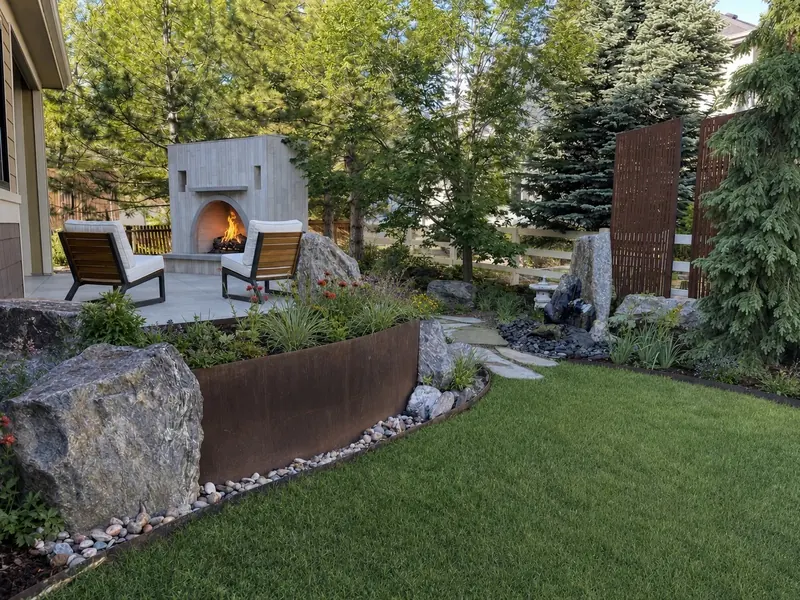
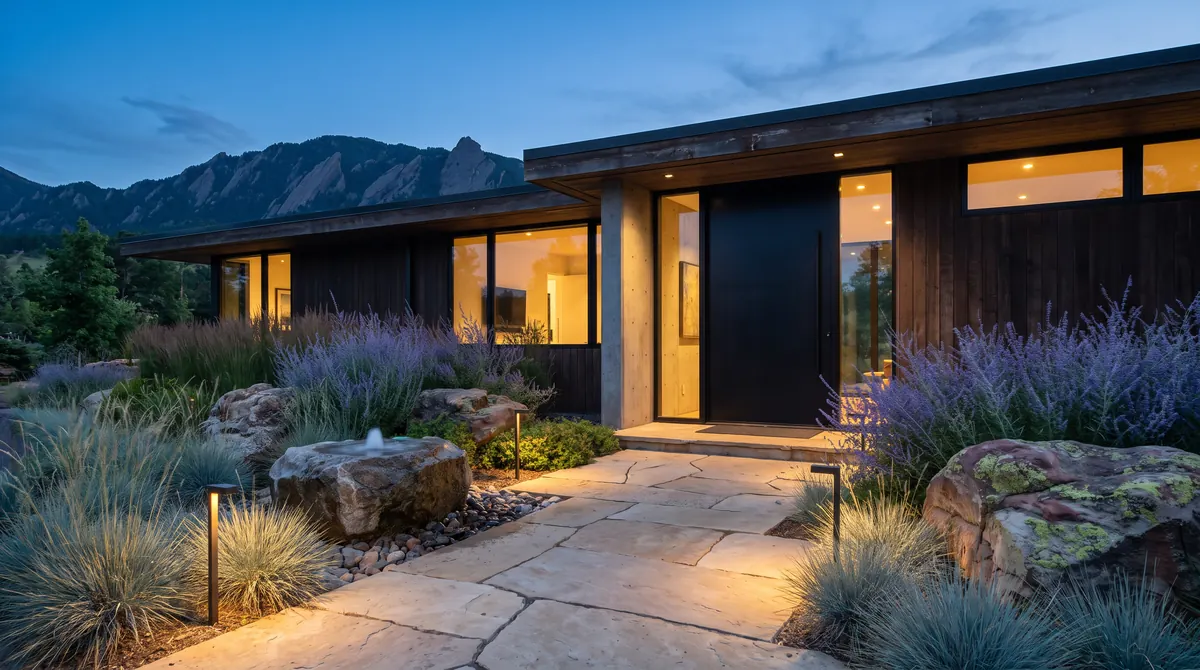
Plan the path first. A non-slip surface, a place to set towels and robes out of the snow, and soft, shielded path lights make winter use easy. Many people pair a spa with a sauna, an outdoor shower or a fire feature, and Idlewild's site describes all of these as part of a year-round retreat.
A good cover is the biggest energy saver. In unincorporated Boulder County, spas need an insulated cover rated at least R-12. Spas there must also have their energy use offset by on-site renewable power, unless the spa is listed under California's Title 20 efficiency rules and is under 64 square feet. Heated pools must use non-fossil heat or a renewable offset, though pools under 200 square feet are exempt. The City of Boulder has similar renewable energy rules for heated pools and spas.
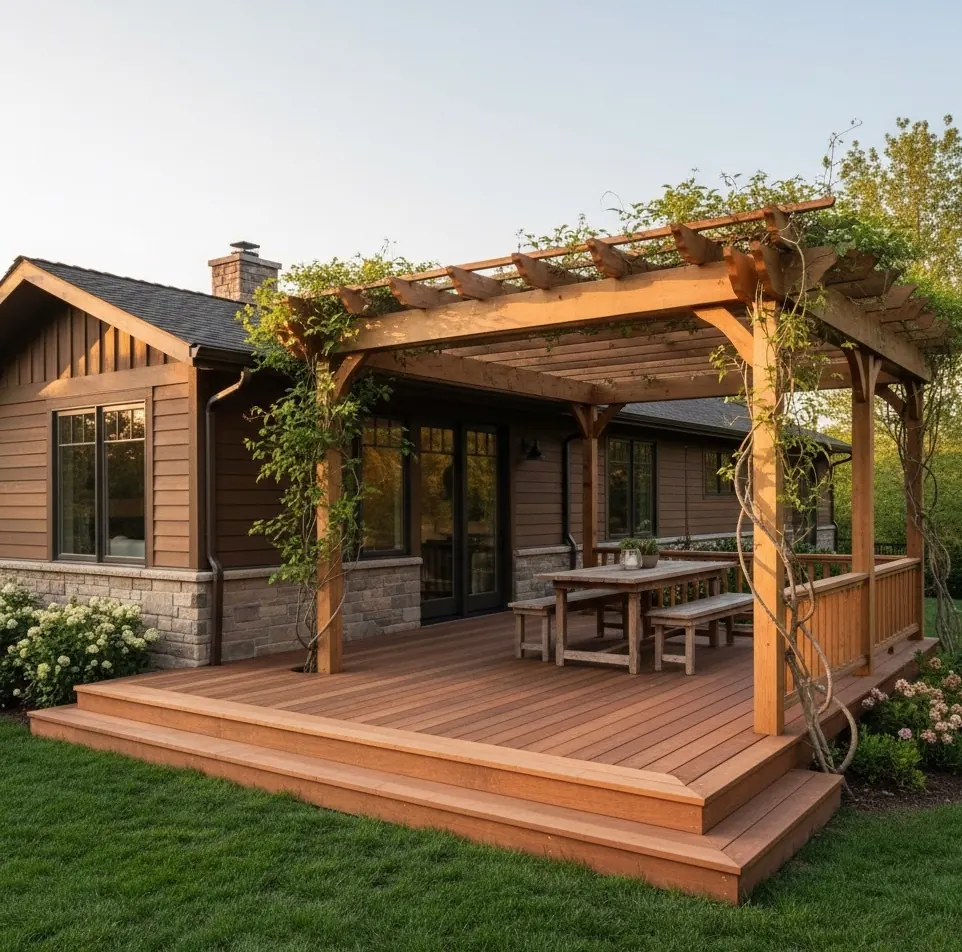
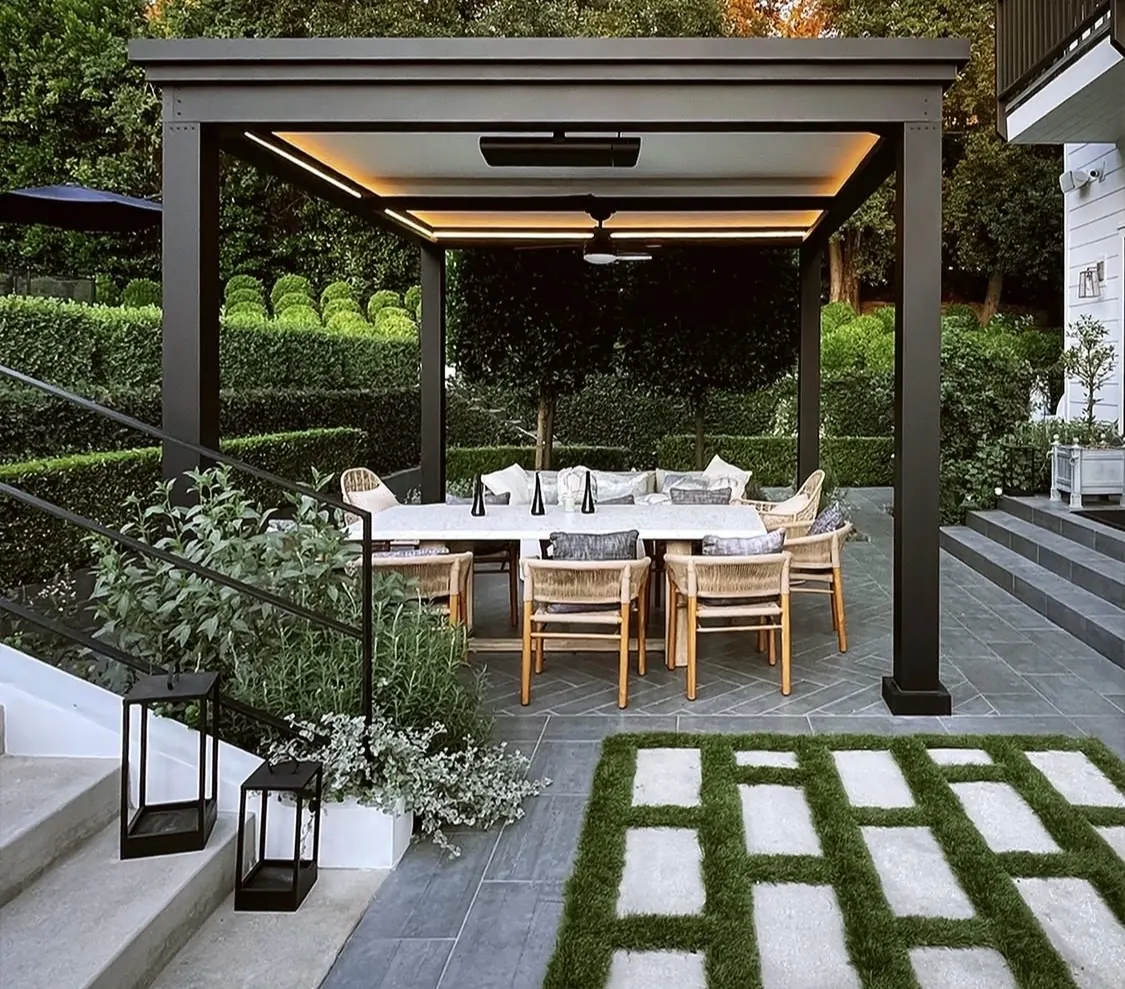
A full hot tub is very heavy. If it will sit on a deck, the deck has to be designed for that weight from the start. Snow load on any roof or pergola over the water needs the same care.
What permits does a pool or spa need?
Plan on a permit. The City of Boulder's residential permit guide lists a separate permit for a residential pool or spa. It also says framed decks or pergolas that surround a pool or spa and aren't attached to the house need their own permit. Longmont's permit page lists swimming pools and hot tubs among the work that needs a permit.
In unincorporated Boulder County, the county's pool and spa handout covers one- and two-family lots under the 2021 International Swimming Pool and Spa Code and the 2021 International Residential Code. The site plan must show the pool or spa and its distances to property lines and other structures. Plans also need a bonding diagram, which shows how metal parts are tied together electrically. Other towns, such as Louisville, Lafayette and Erie, set their own rules, so check with the building department early.
What about fences, gates and safety covers?
The U.S. Consumer Product Safety Commission's Pool Safely campaign asks for layers of protection. Use a fence at least 4 feet tall that is hard to climb and surrounds the pool or spa. Add a gate that closes and latches on its own, and an alarm on any house door that opens to the pool area. Keep spa covers in good shape and on whenever the spa isn't in use.
Boulder County's handout allows a lockable safety cover that meets the ASTM F1346 standard in place of a barrier for spas, and a powered safety cover meeting the same standard for pools. City rules can differ, so confirm which option your town accepts before you design the fence line.
Who does what on a plunge pool project?
Idlewild does not build pool shells. The pool itself comes from its partners, Soake Pools and EVO Pools. Idlewild designs the space and builds what surrounds the water: patios, planting, lighting and structures.
Because one team designs and builds the landscape, the grading, drainage, power, equipment access, hardscape and planting around the pool are planned together. Electrical work and permits involve licensed trades and your town's building department, so ask early who will handle each one.
Plunge pool or hot tub: what to plan for (Boulder County rules apply in unincorporated areas only)
| Plunge pool | Hot tub or spa | |
|---|---|---|
| What it is | A small, deep pool for cooling off or soaking | A heated tub with jets, used mostly warm |
| Permit | Listed as permitted work in Boulder and Longmont | Listed as permitted work in Boulder and Longmont |
| Barrier option in Boulder County | Fence, or a powered safety cover meeting ASTM F1346 | Fence, or a lockable safety cover meeting ASTM F1346 |
| Energy rules in Boulder County | Heated pools need non-fossil heat or a renewable offset; under 200 square feet exempt | Renewable offset and an R-12 cover; some small listed spas exempt from the offset |
| Who supplies it | Idlewild's pool partners, Soake Pools and EVO Pools | Ask at the design stage |
Questions
Can I use a plunge pool in winter in Colorado?
Yes, if it is heated, covered and close to the house with a clear path. Plan for the energy rules in Boulder and unincorporated Boulder County, which require renewable offsets for heated pools and spas.
Does Idlewild build the pool itself?
No. Idlewild plans and builds the landscape around the water. The pool comes from its partners, Soake Pools and EVO Pools.
Do I need a fence around a hot tub?
You need a barrier. Boulder County accepts a lockable safety cover that meets ASTM F1346 in place of a fence for spas. Check your city's rules, since they can differ.
Can a hot tub go on a deck?
Only if the deck is designed for it. A full hot tub is very heavy, so the deck's structure has to be planned for that load.
When should I plan the pool?
At the start. Placement, access, power, drainage and the path from the house all depend on it, so it belongs in the first design, not added later.