How to set a landscape budget
Start with a number for the whole yard, even if you build only part of it now. Builders often suggest 5 to 15 percent of the home's value. Stay near the low end if you may move soon, and near the high end if you will stay.
Next, list what you want, rank it and match it to typical 2026 costs. A full backyard here often runs $40,000 to $100,000, and redoing one area $15,000 to $40,000. Our overview of landscaping costs in Boulder County breaks this down.
Add three things people forget: the design, a reserve of 10 to 15 percent for surprises, and yearly care, which our maintenance cost guide covers.
What order to build a landscape in Colorado
Order matters more here than in many places, because Colorado soils punish bad drainage. CSU Extension notes that all major population centers in the state sit partly on expansive soils, which swell when wet. It says to begin any landscape with a site graded so water drains away from the house, and to keep sprinklers from spraying within 5 feet of the foundation. So the dirt work comes first.
Then come the lines you'll never see. Irrigation main lines, sleeves under future paving, and conduit for lights or a fire pit are cheap to lay in an open site and costly to add under a finished patio. Before any digging, state law says to call Colorado 811 at least three business days ahead.
Hardscape follows. Soil prep and planting wait until the heavy machines are gone. CSU suggests mixing about 4 cubic yards of organic amendment per 1,000 square feet into the top 4 to 6 inches before planting.
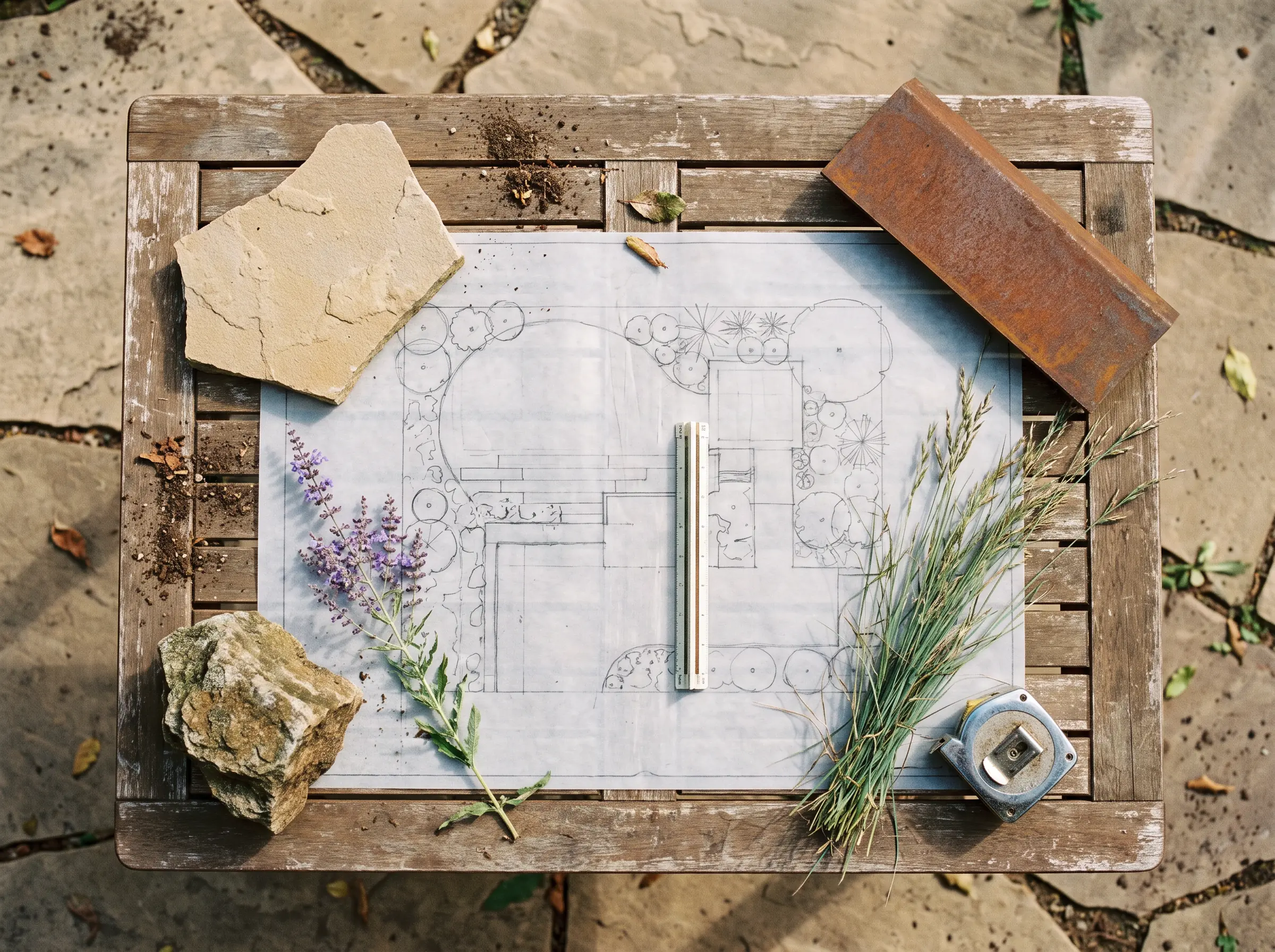
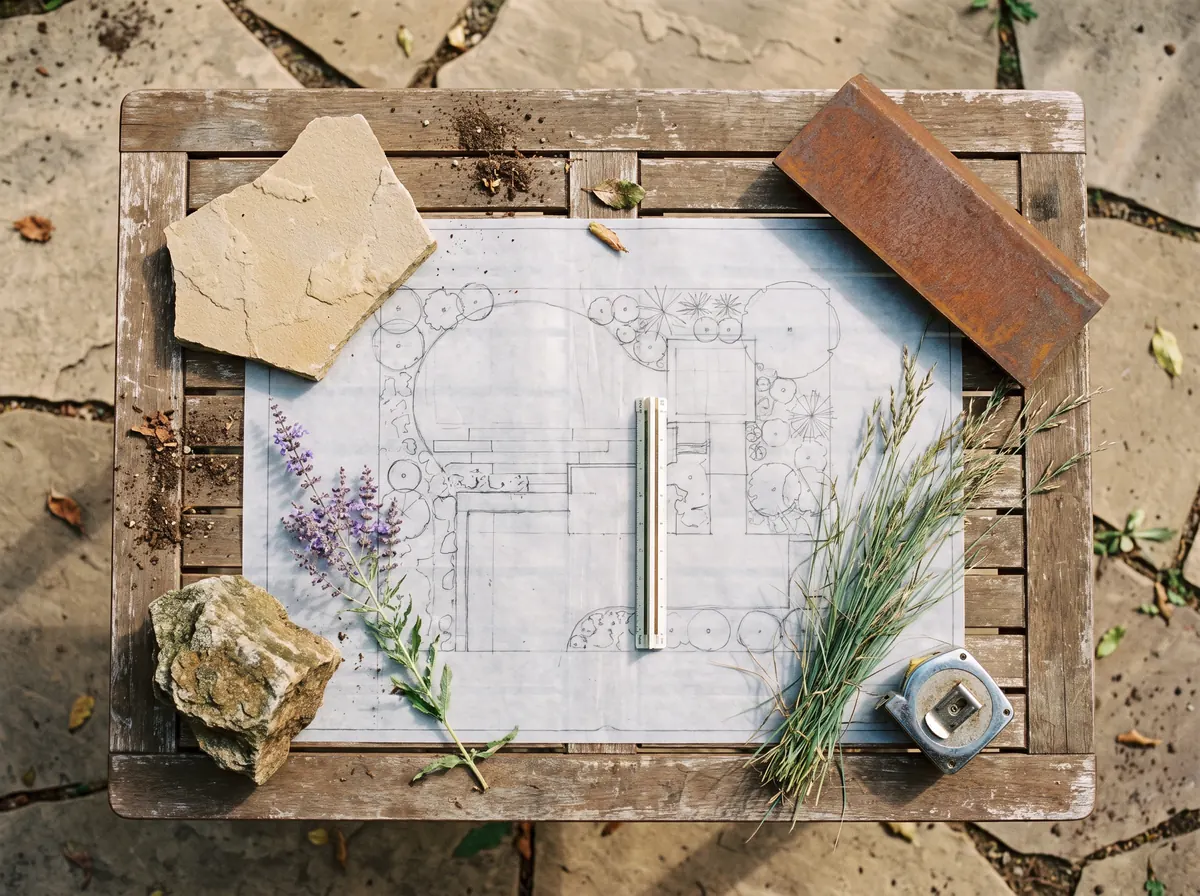
- Plan the whole property.
- Tear out, grade and fix drainage.
- Lay irrigation main lines, sleeves and conduit.
- Build patios, walls, steps and paths.
- Prepare the soil, then plant trees, shrubs and beds.
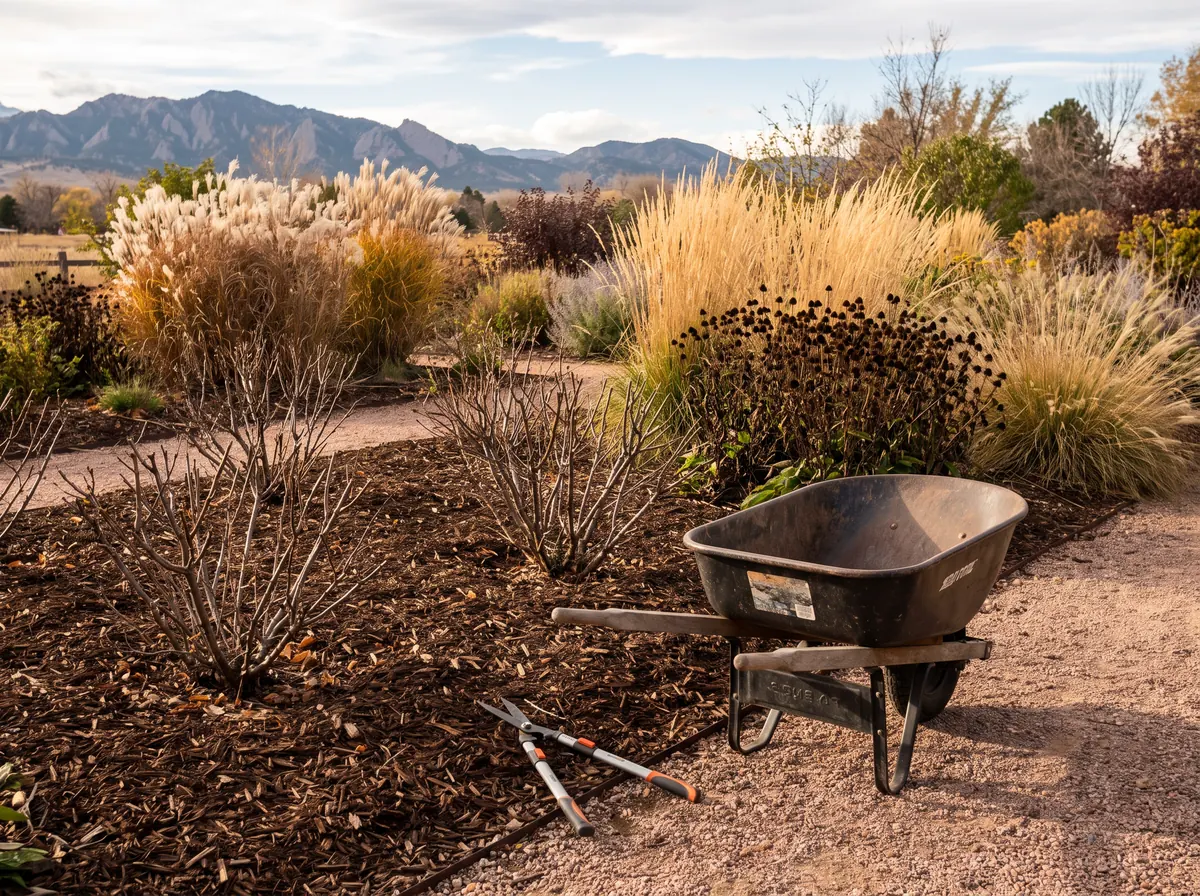
- Set drip lines, mulch and the controller.
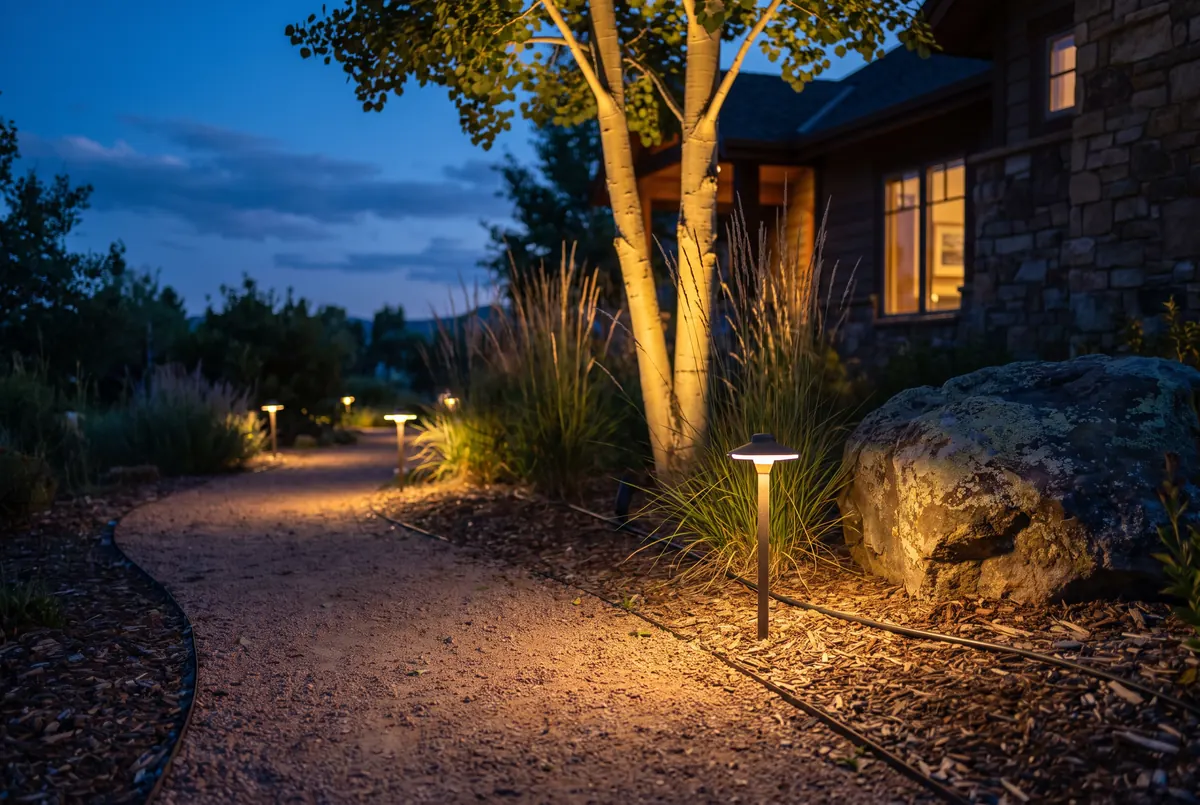
- Add lighting and features.
When to schedule each phase
Planting has the tightest calendar. In Boulder, the average last spring frost is May 5, based on records from 1948 to 2025. CSU's PlantTalk ranks spring as the best season to plant in Colorado and fall second, and says to finish fall planting by the end of October. Our guide to when to plant in Colorado has the details.
That shapes the schedule. One common pattern is hardscape in late summer or fall, then planting the next spring. Another is a patio in spring and planting in September.
Book early. Spring is the busiest season for landscape crews, and Idlewild limits the number of projects it takes on each season. If you want help from a water program, plan around its calendar too. As of November 2026, Resource Central's Lawn Replacement program is full for 2026, and do-it-yourself lawn removal can't start until a project is approved, so watch for 2027 dates before you dig.
What to build first when the budget is tight
Spend first on what is hardest to change later or slowest to grow.
- Water problems near the house. Fix grading and drainage before anything else.
- Underground lines for the whole plan, even where the surface work waits.
- Trees. They take the longest to grow, so plant them early in spots the later work won't disturb. CSU says to keep trees at least 15 feet from the foundation.
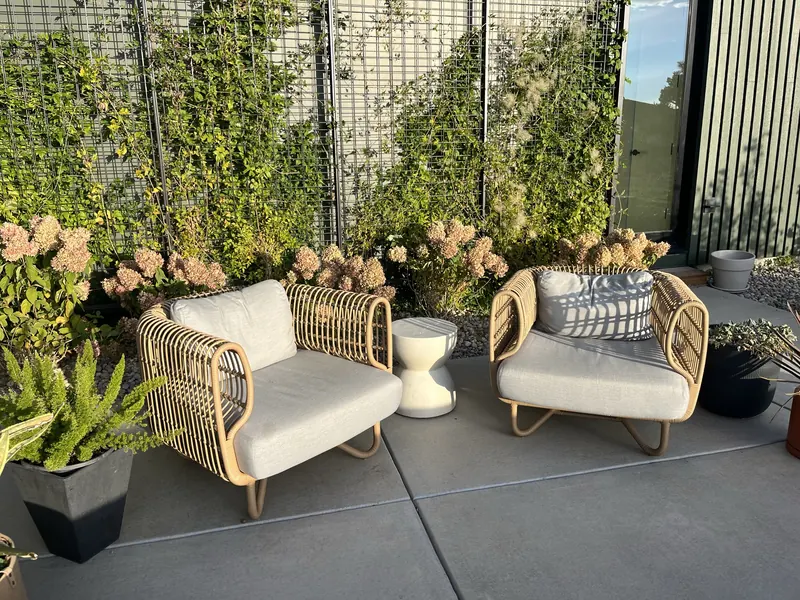
- The space you'll use most, often a patio near the kitchen door.
- Irrigation for anything you plant.
- What can wait: light fixtures (if the wire or conduit is in), a pergola, a water feature, and extra plants in beds that are already prepared and mulched.
Which landscape projects add home value
Landscaping can help a home sell, but no one can promise a number. The studies are national and some are older, so read them as a direction, not a price.
A 2020 study from the University of Texas at Arlington and the University of Alabama graded the curb appeal of homes from street photos. It found curb appeal could account for up to 7 percent of a home's sale value, and more in slow markets. A U.S. Forest Service study of home sales in Portland, Oregon, published in 2010, found that street trees added about $8,870 to the sale price on average and cut time on the market by about two days.
A 2023 national survey of real estate agents estimated that landscape upkeep, a basic landscape upgrade and an outdoor kitchen each recover about what they cost at sale, and a new patio slightly less. These are agents' estimates, not sale prices.
How phasing changes the total cost
Phasing spreads out what you pay, but it usually costs a little more in total. Each phase means bringing crews back, protecting what is built, and paying that year's prices.
A plan keeps that extra cost small. It decides once where the pipes, wires and grades go, so phase two doesn't dig up phase one. Idlewild's design approach works this way: even when a landscape is built in phases, each phase moves toward the same long-term plan.
For a price on your own phases, start with a design visit. Idlewild prices each project after the design visit, in writing. Our guide to what happens at a design visit explains what to bring.
Typical 2026 costs in Boulder County: a sample backyard built in three phases (total cost of each phase)
| What gets built | Typical 2026 cost | Why it goes in this order | |
|---|---|---|---|
| Plan | A whole-property design, including grading, planting, irrigation, lighting and a list of phases | $2,500 to $7,500 | Every later phase follows it, so nothing has to be torn out |
| Phase 1 | Tear-out, grading, drainage, irrigation main lines, sleeves and conduit, then the patio and any walls | $20,000 to $50,000 | Machines and digging come first, before anything that can be crushed goes in |
| Phase 2 | Soil prep, planting beds, trees and shrubs, drip and sprinkler zones, mulch | $10,000 to $30,000 | Plants go in after heavy work, in spring or early fall |
| Phase 3 | Light fixtures and one feature, such as a fire pit, pergola or water feature | $5,000 to $30,000 | Wire and gas lines went in during phase 1, so this work is mostly above ground |
| Reserve | Money held back in each phase for surprises in the ground | 10 to 15 percent of each phase | Old concrete, rock, buried debris and extra drainage are common finds |
These ranges come from 2025 and 2026 prices published by Front Range landscape contractors and design-build firms and from national cost surveys, adjusted for Boulder County and checked in November 2026. The phase totals are a sample built from those ranges. They are a guide for planning, not a quote.
Questions
How much should I budget for landscaping?
Many homeowners plan 5 to 15 percent of their home's value. For a $700,000 home, that is $35,000 to $105,000. Keep 10 to 15 percent of whatever you spend as a reserve for surprises in the ground.
Is it cheaper to do the whole landscape at once?
Usually, by a little. One build means one setup and nothing finished to protect. Phasing still makes sense when it lets you keep quality high instead of cutting corners.
What should I do first in a new yard?
Plan the whole yard, then grade it so water drains away from the house and lay irrigation lines and sleeves. CSU says to keep sprinklers from spraying within 5 feet of the foundation and trees at least 15 feet away.
How long should a phased landscape take?
Two or three seasons works for many yards. Longer is fine if each phase leaves a finished, usable area.
Does landscaping increase home value?
It can. A 2020 university study found curb appeal could account for up to 7 percent of a home's sale value. In a 2010 U.S. Forest Service study, street trees added about $8,870 to sale prices. Results vary by home and market.
When is the best time to plant in a phased project?
Spring is best in Colorado and fall second, according to CSU. Finish fall planting by the end of October. Boulder's average last spring frost is May 5.
Sources 9
- 1617 Expansive Soils (PlantTalk Colorado, CSU Extension)
- 1605 Soil Preparation (PlantTalk Colorado, CSU Extension)
- 1707 Fall Planting (PlantTalk Colorado, CSU Extension)
- Last Day of Spring Frost in Boulder (NOAA Physical Sciences Laboratory)
- Colorado 811
- Lawn Replacement Program (Resource Central)
- The cost of curb appeal? Study says 7% (University of Texas at Arlington, 2020)
- Trees in the city: valuing street trees in Portland, Oregon (U.S. Forest Service, 2010)
- 1902 Xeriscape Design (PlantTalk Colorado, CSU Extension)