





Erie irrigation starts with a permit
The Town of Erie lists lawn sprinkler systems among the projects that need a building permit. That covers new systems, so a full rebuild of an old Erie system should be checked with the town too.
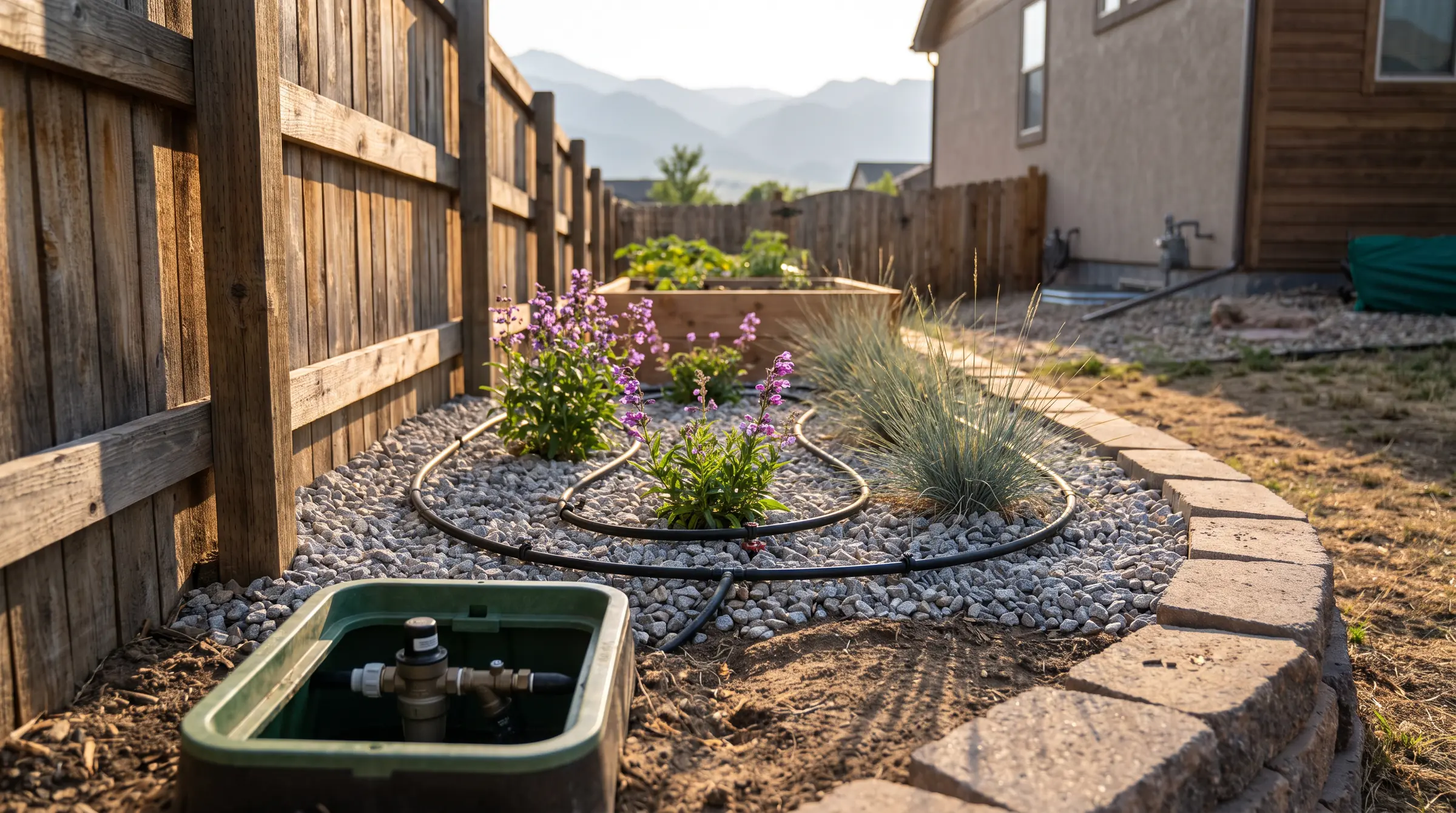
Drip lines for perennials, shrubs and trees, sprinkler installs and repairs, winterizing, and drainage fixes like swales and French drains are all part of irrigation work. In Erie, sorting out the permit is the first step.
Planning Erie irrigation for drought stages
Erie's drought and water supply shortage plan has four stages. The first two ask for voluntary cuts. The third and fourth add restrictions.
When the town cuts back its own parks, it shortens run times first, then shuts off zones in a set order. Drip for high-value trees is the last to go. That order is a good model for a home system: put trees and shrubs on their own drip zones so they can keep getting water when lawn zones are off.
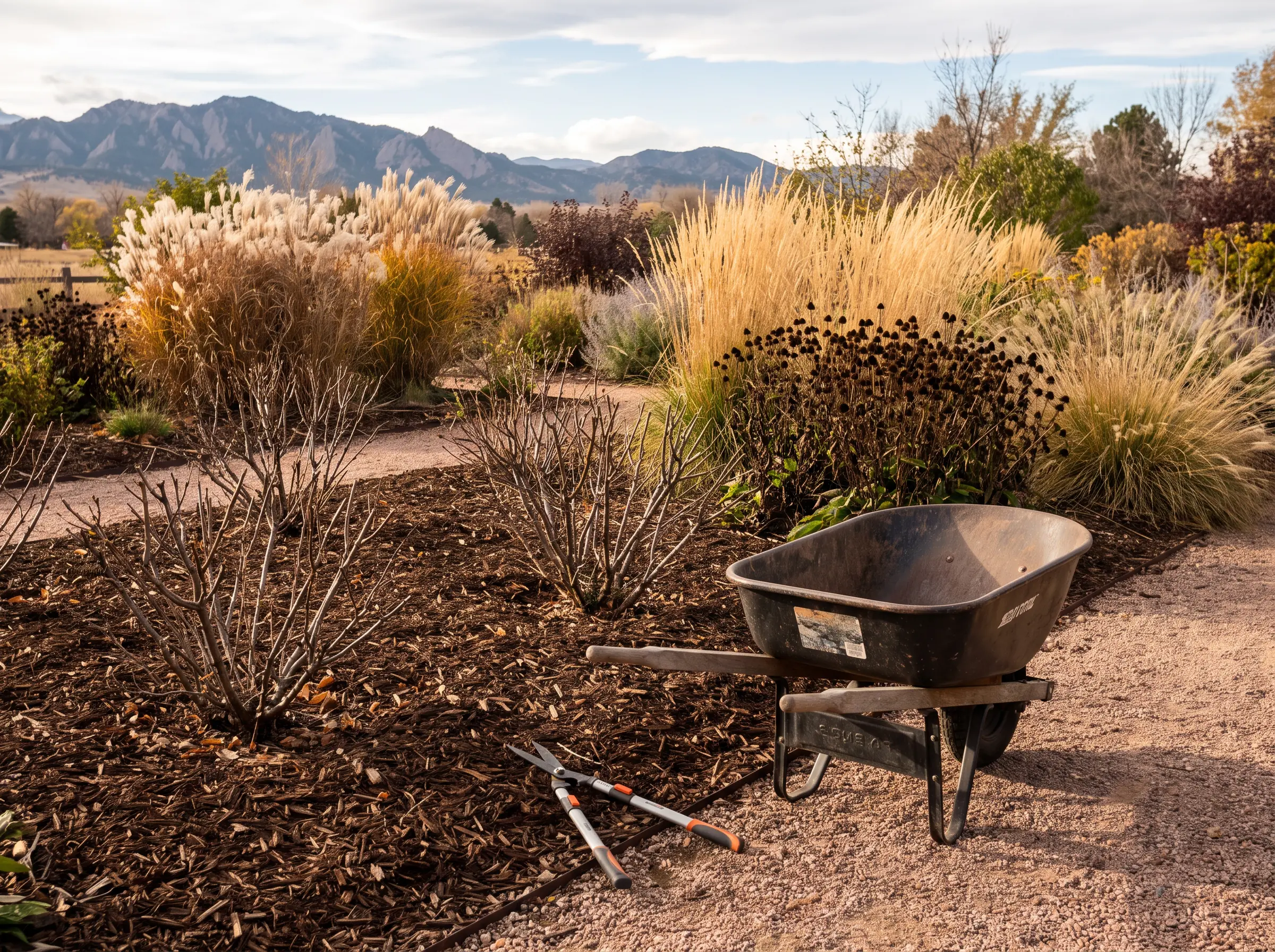
Each fall, Erie asks residents to shut irrigation off for the season, usually in October. Lines that are not blown out can freeze and crack.
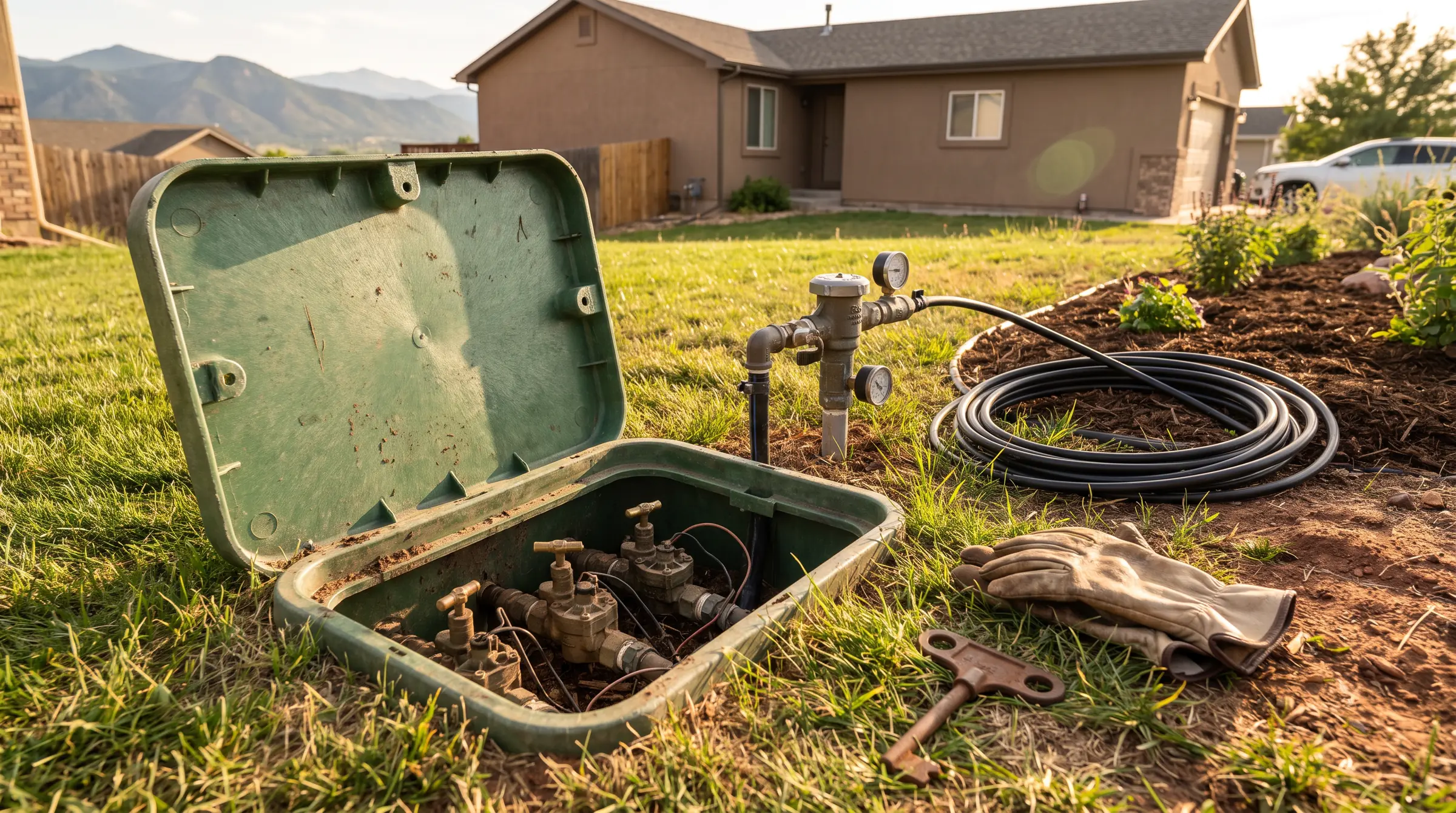
Erie turf replacement and new irrigation
Erie's Turf Replacement Rebate Program pays toward swapping high-water lawn for xeriscape. The town also offers Garden In A Box through Resource Central, outdoor sprinkler consultations, and pages of outdoor irrigation tips and xeriscape resources.
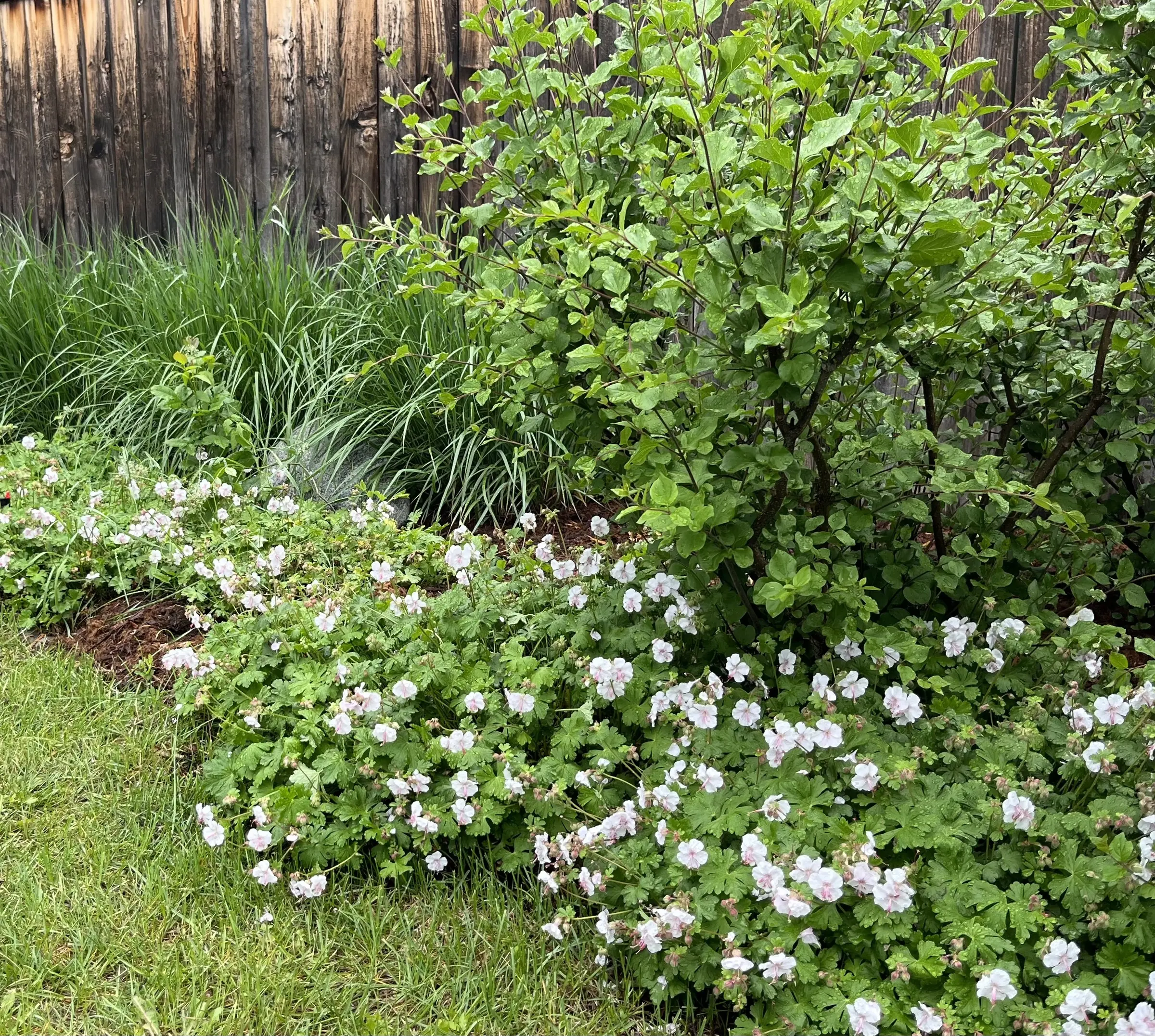
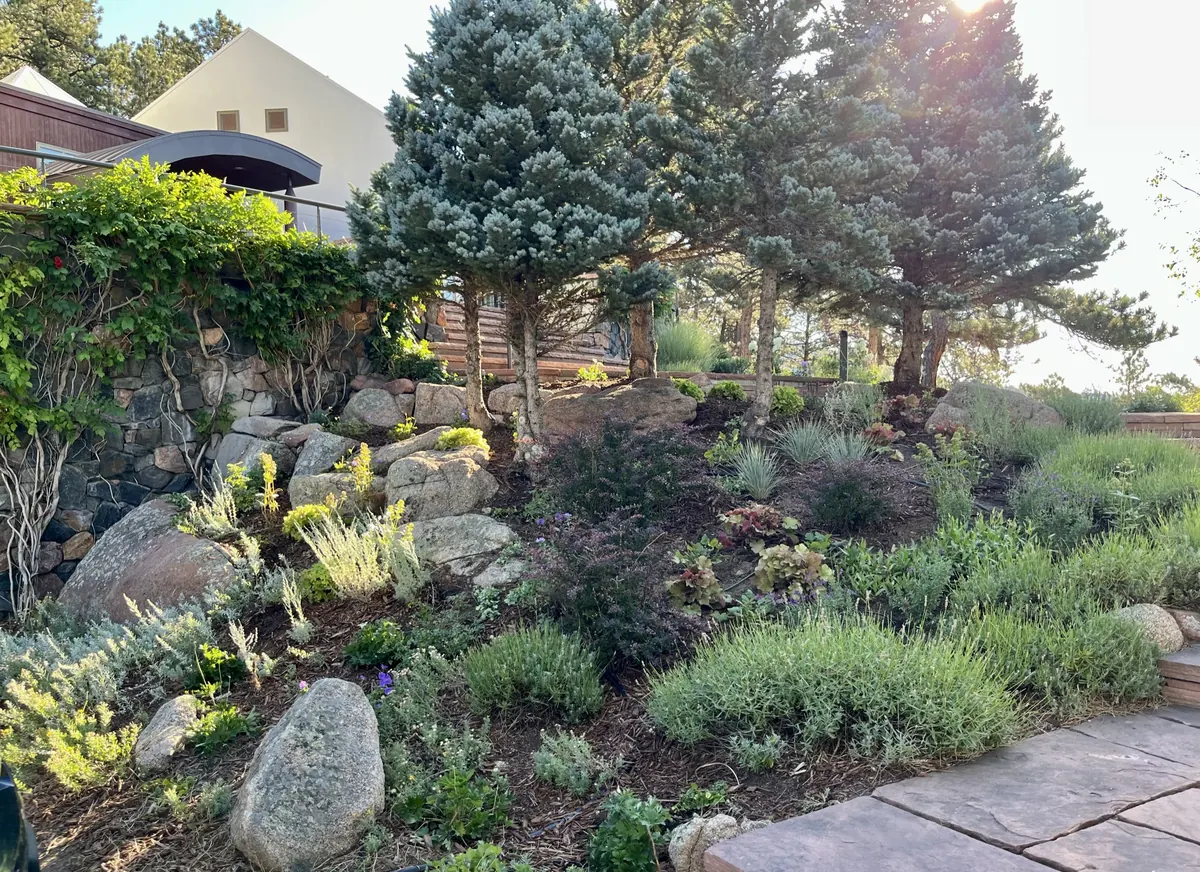
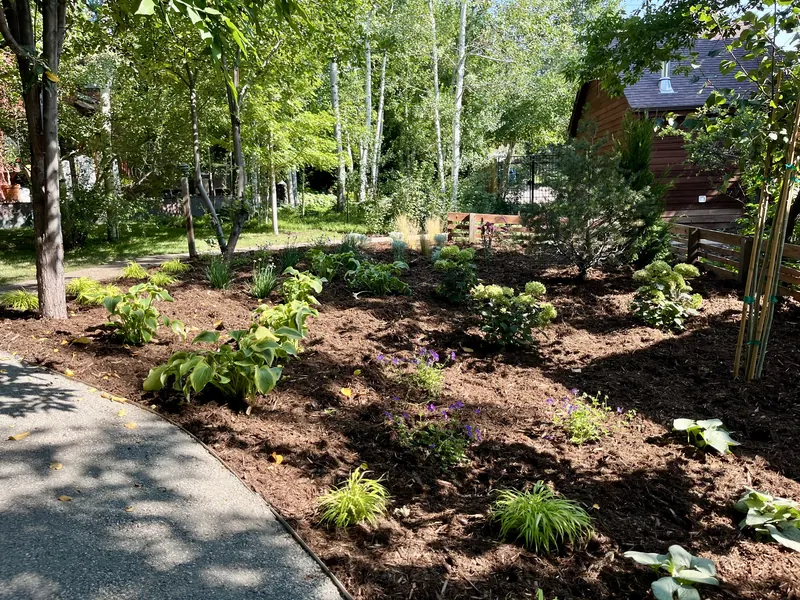
When lawn comes out, the spray heads that watered it are the wrong tool. A conversion in Erie usually means capping or removing spray zones and running drip to the new plants.
Erie HOAs and irrigation changes
Most Erie neighborhoods have an HOA. Colorado law says an HOA must let owners of detached homes choose a design that is at least 80 percent drought-tolerant plants. The same law lets the HOA keep rules on grading and drainage.
So in an Erie neighborhood, the switch to drip and low-water planting is protected, but runoff onto a neighbor's lot is still the HOA's business. A good system keeps water on the plants and off the sidewalk.
Erie irrigation near the foundation
The Colorado Geological Survey names sprinkler water reaching the soil next to a foundation as a cause of swelling-soil damage. In Erie yards, spray heads should not throw water against the house, and beds along the foundation do better on drip or with no water at all.
Irrigation methods in an Erie yard
| Best use in Erie | Watch for | |
|---|---|---|
| Spray or rotor heads | Lawn areas you use | Overspray onto walks and the house; shut off first in drought |
| Drip emitters and lines | Beds, shrubs, trees, narrow strips | Check emitters each spring; plan separate zones for trees |
| Hand watering | Young trees and winter dry spells | Takes time; good backup when sprinklers are off |
Questions
Do I need a permit to install sprinklers in Erie?
Yes. The Town of Erie lists lawn sprinkler systems as work that needs a permit.
When should I shut off my Erie sprinkler system?
Erie asks residents to shut irrigation off for the season in the fall, traditionally in October.
Will my Erie HOA let me replace lawn with drip-watered beds?
Colorado law says an HOA must allow detached-home owners a design option of at least 80 percent drought-tolerant plants. The HOA can still set style, grading and drainage rules, so check its guidelines.
Does Erie help pay for replacing lawn?
Erie runs a Turf Replacement Rebate Program for swapping high-water lawn for xeriscape. Check the town's page for this year's terms and openings.
Sources 5
More on irrigation and on landscapes in Erie.