
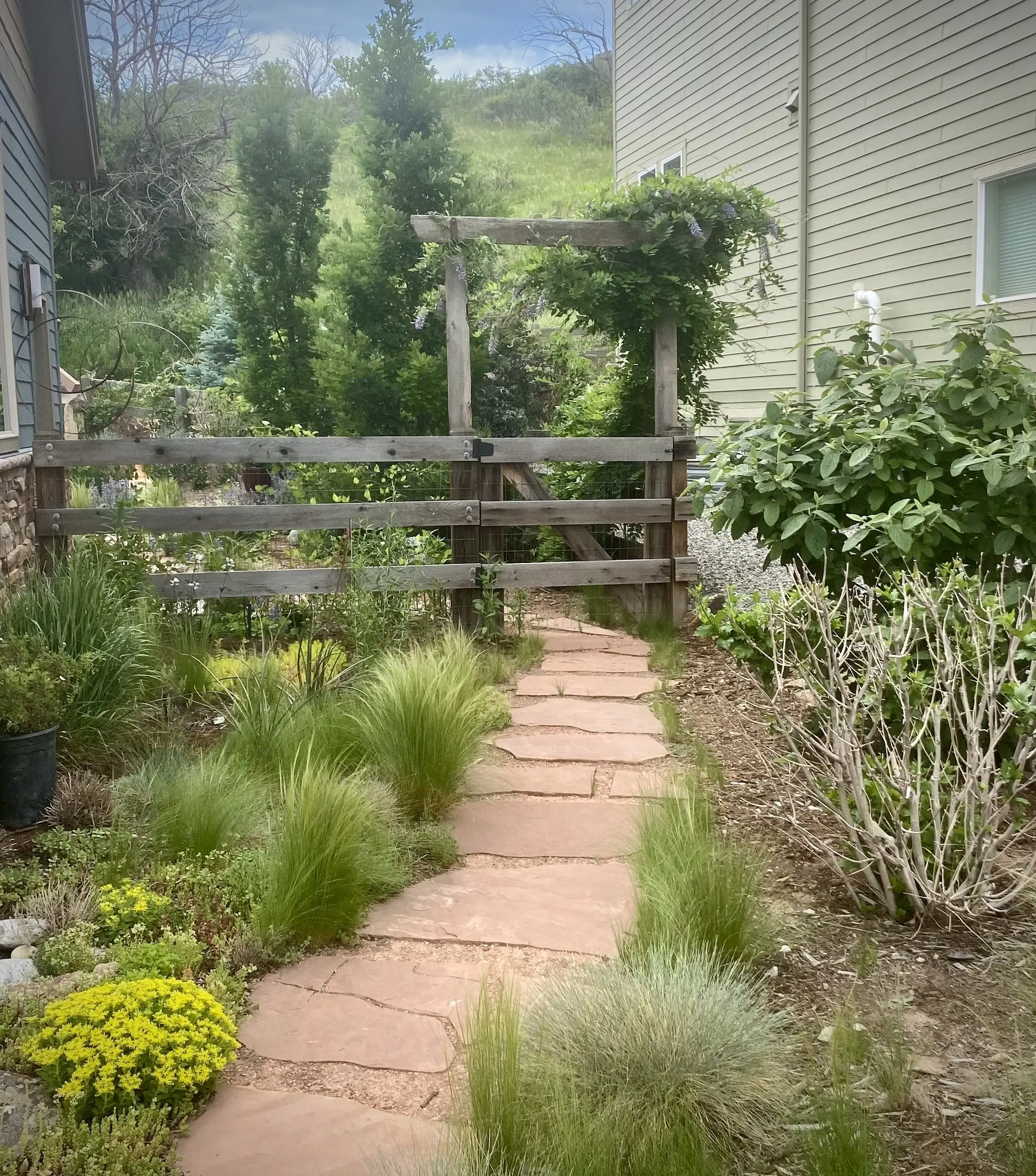
Louisville landscape design from bare ground
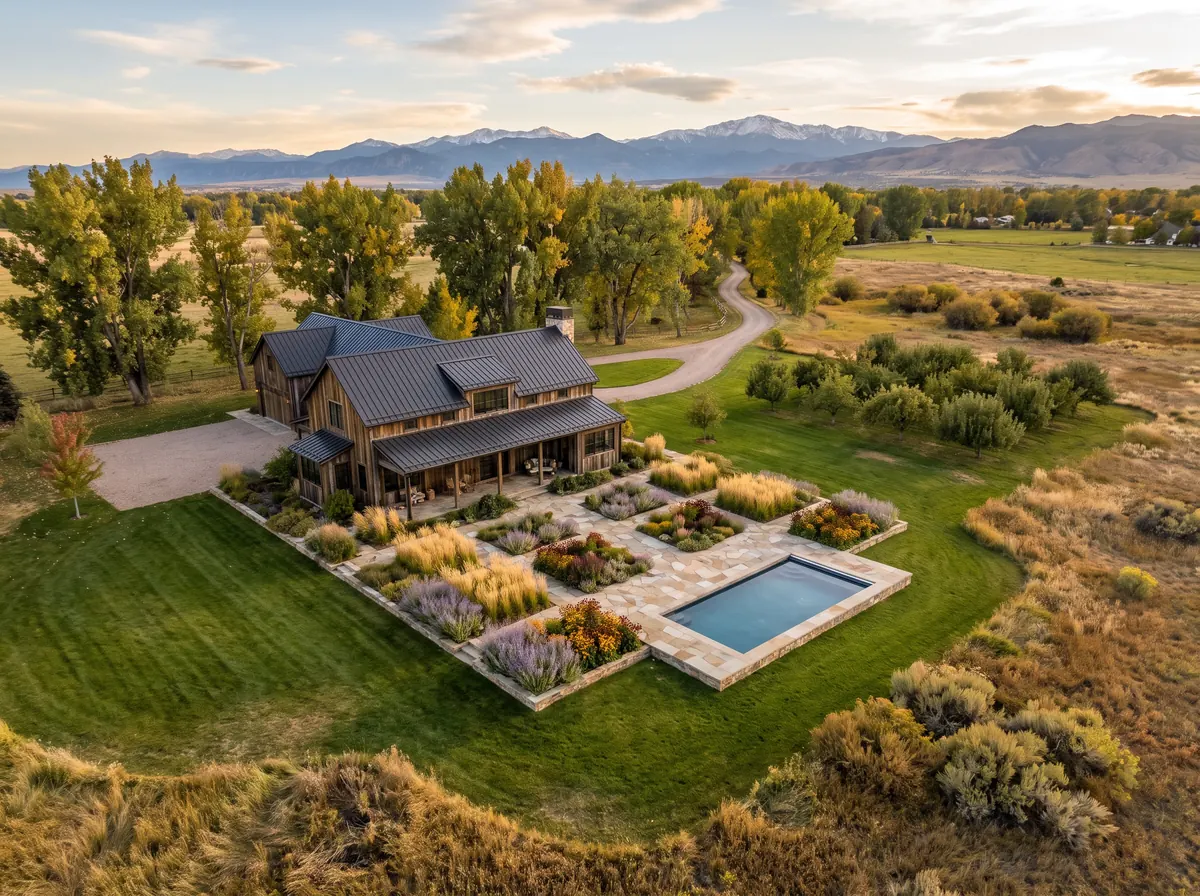
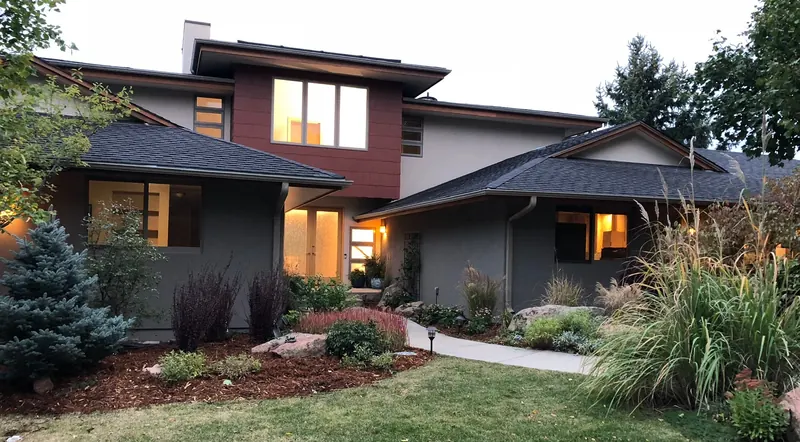
Many Louisville yards in the burn area are starting over. That is hard, and it is also a rare chance to place every path, bed and tree with fire, water and use in mind.
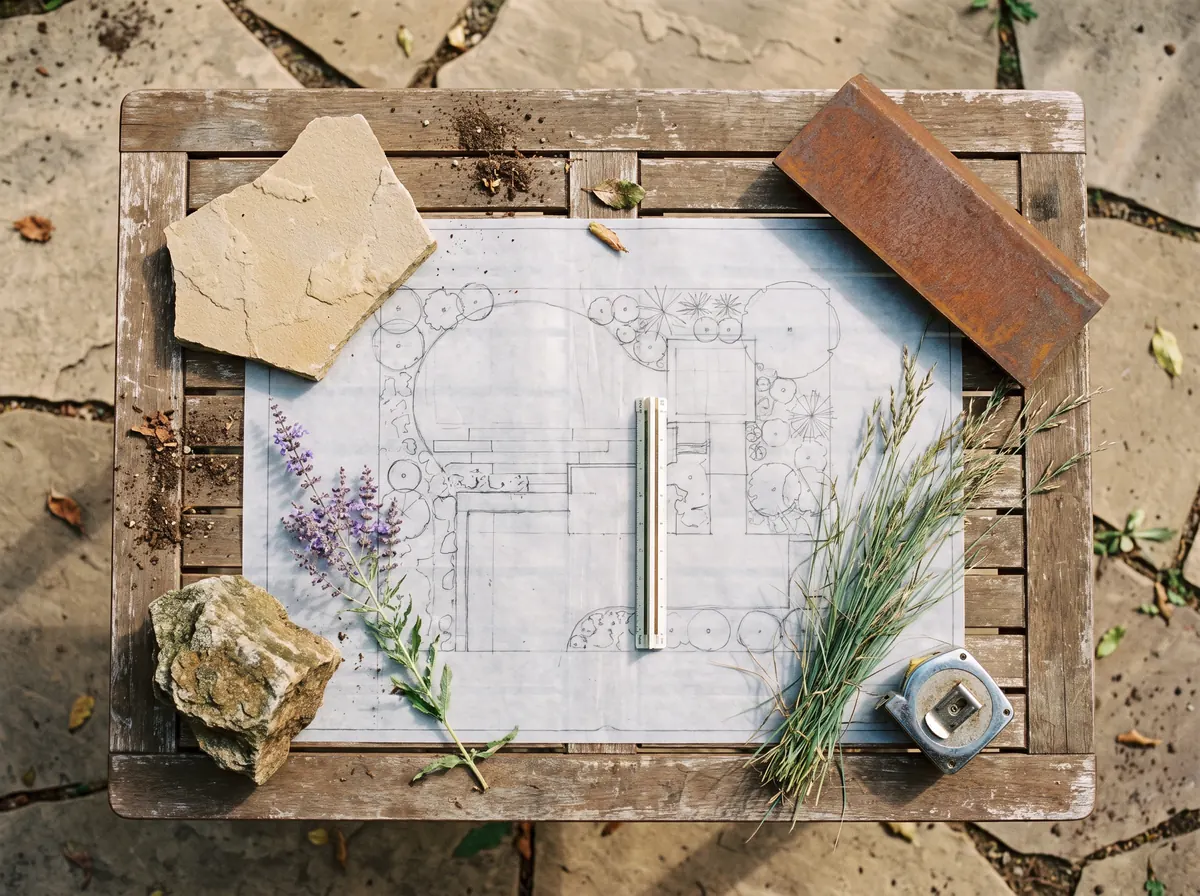
A Louisville design visit looks at the lot, the new house, the neighbors' grades and where water drains. We talk about goals, timeline and investment range, then draw one plan for the whole property.
The first five feet of a Louisville yard
In the Marshall Fire rebuild subdivisions, Louisville's Ordinance 1916 calls the first five feet around a home the Immediate Zone. New plants and combustible materials can't go there. The ground has to be rock, gravel, sand, concrete, bare earth, or stone or concrete pavers.
Existing landscaping there from before February 3, 2026 can be kept up but not expanded or replaced. Trees and shrubs outside the zone must be pruned so they don't grow into it.
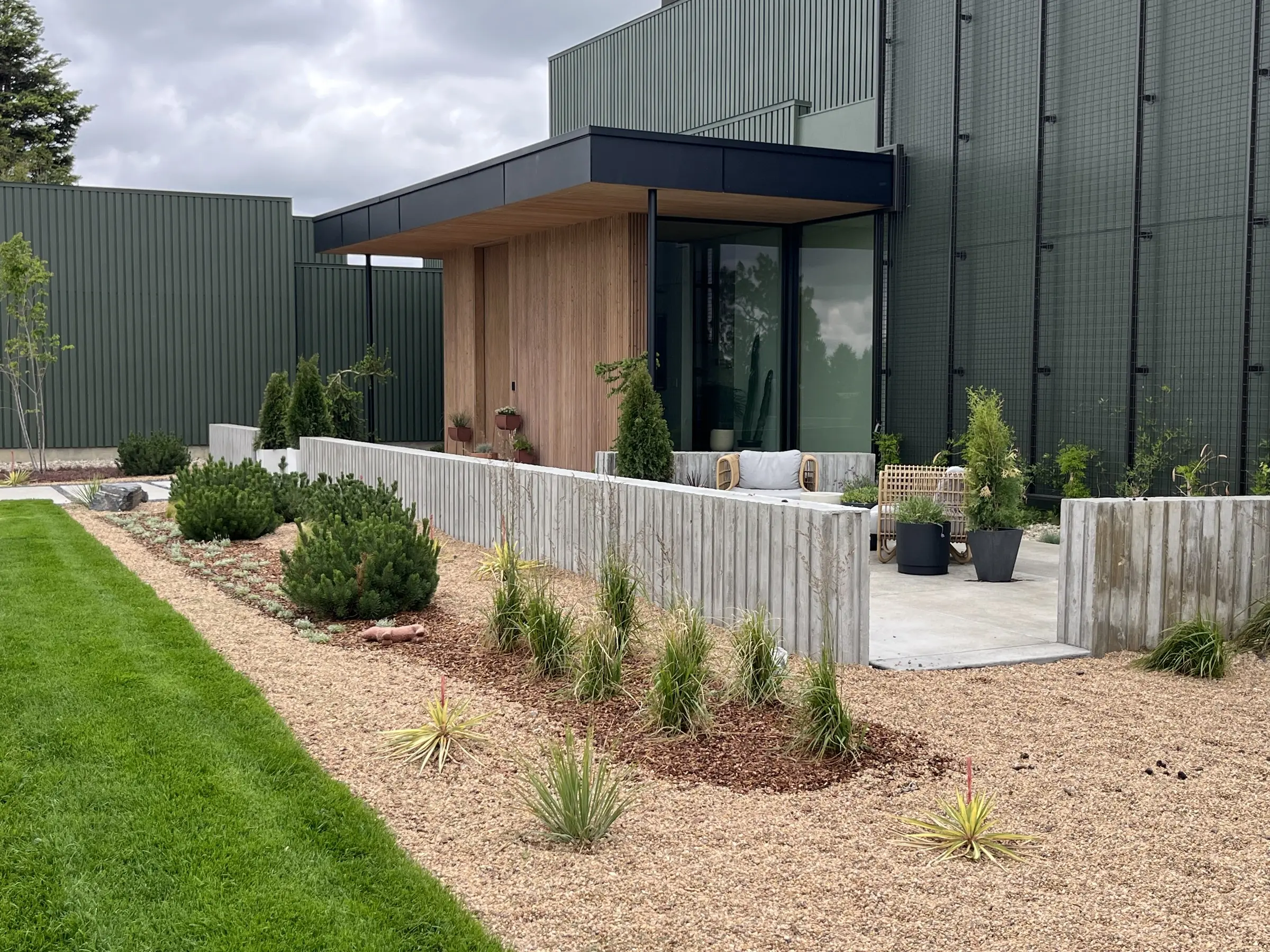
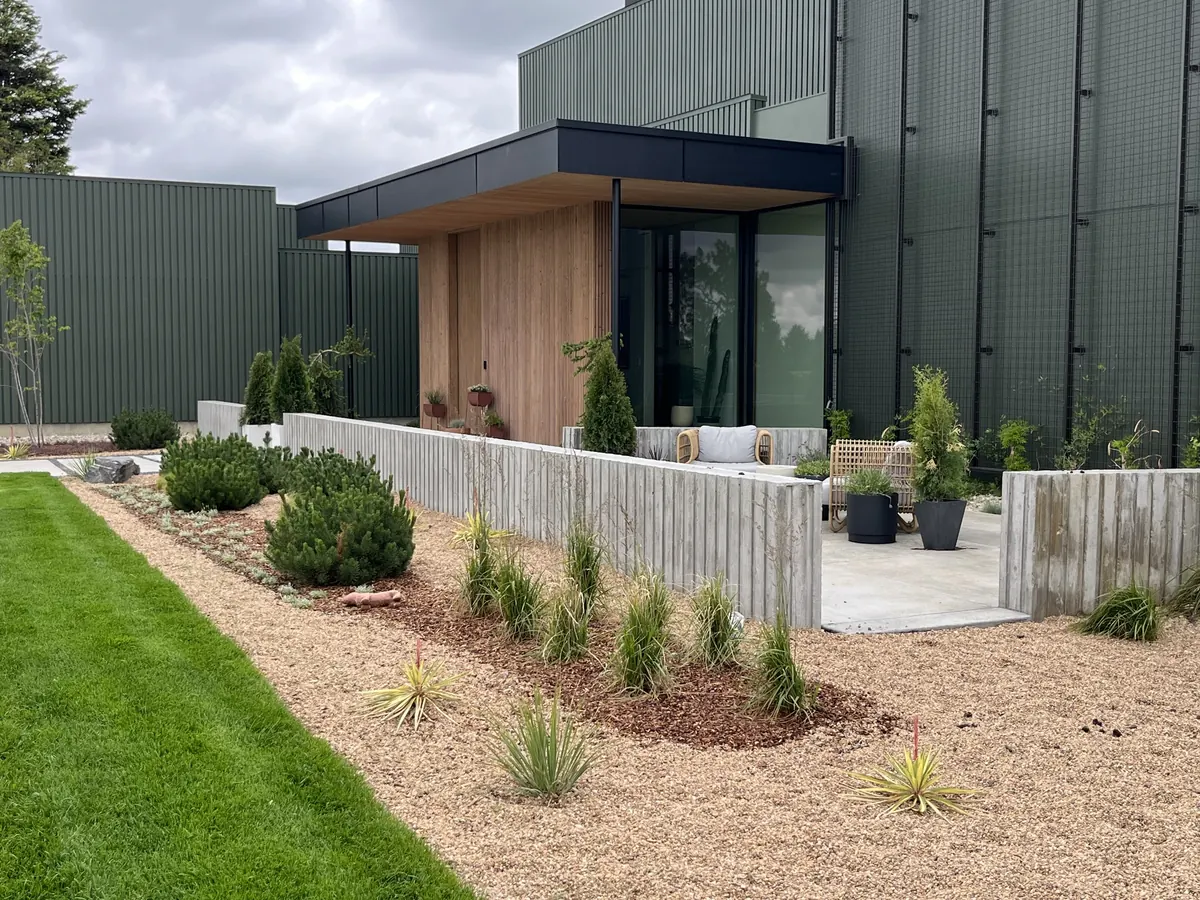
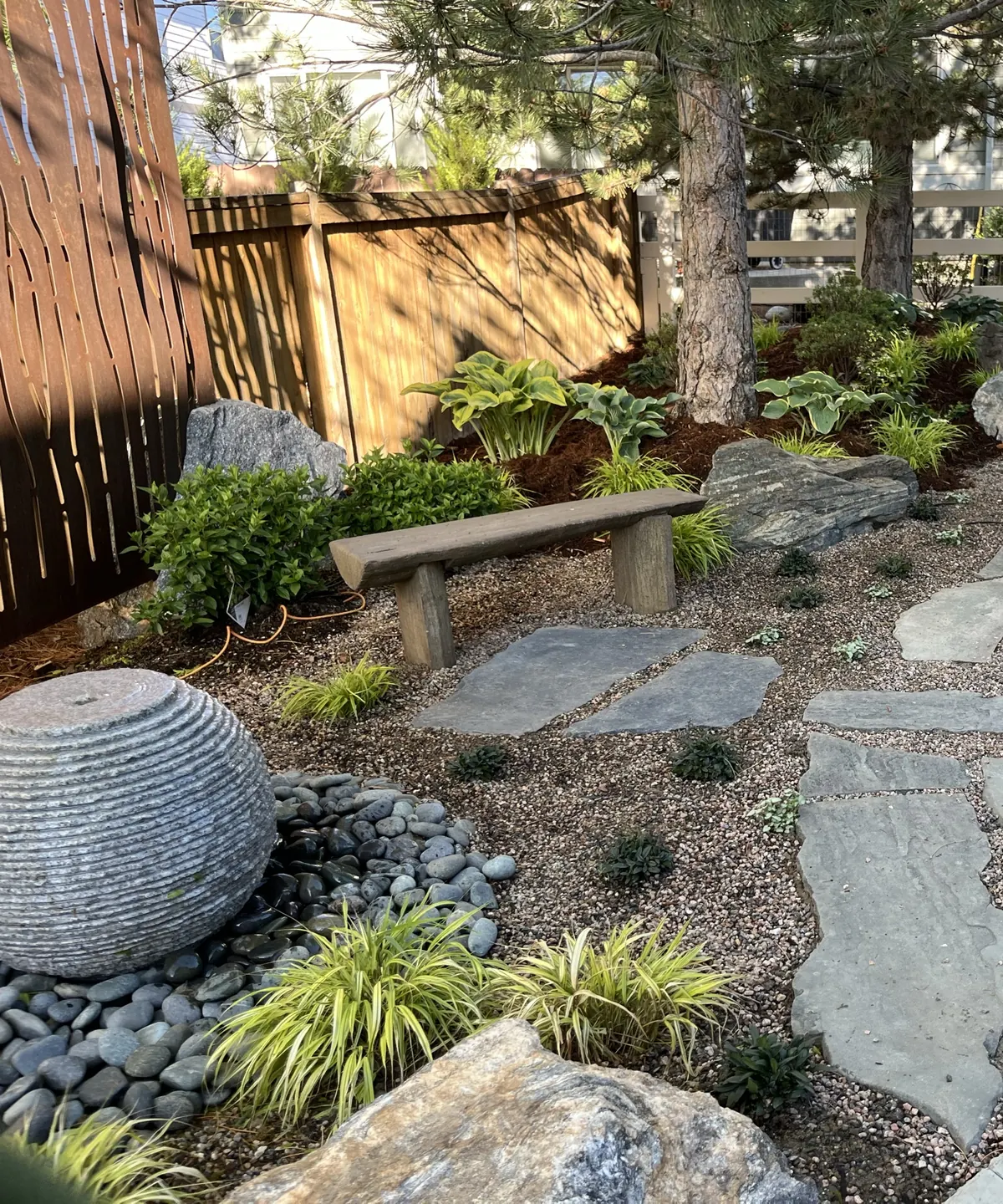
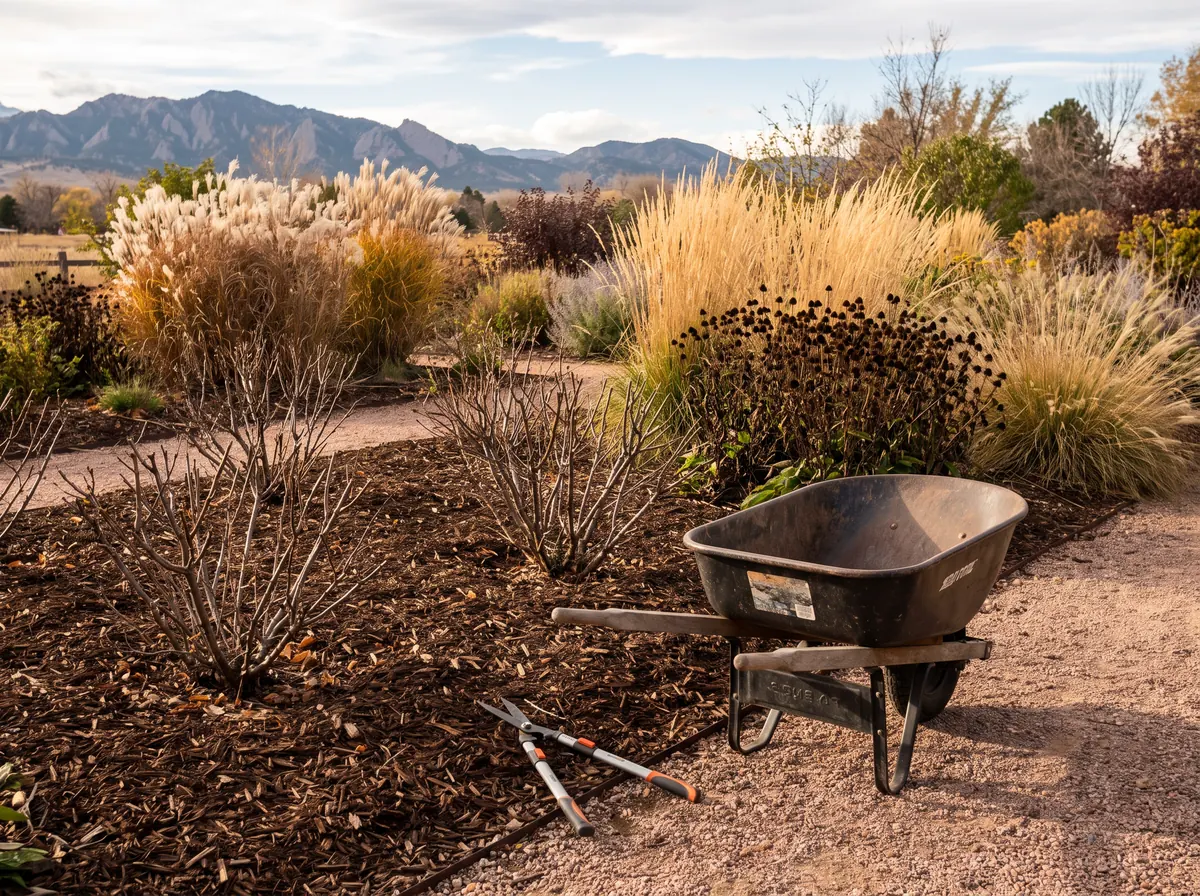
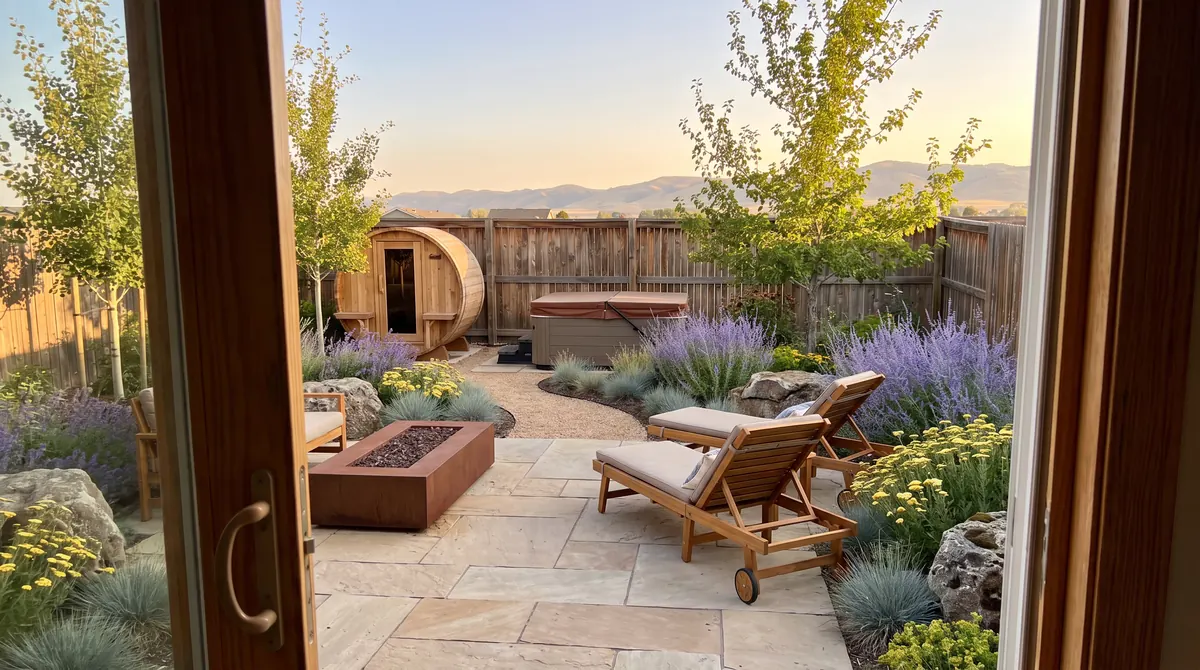
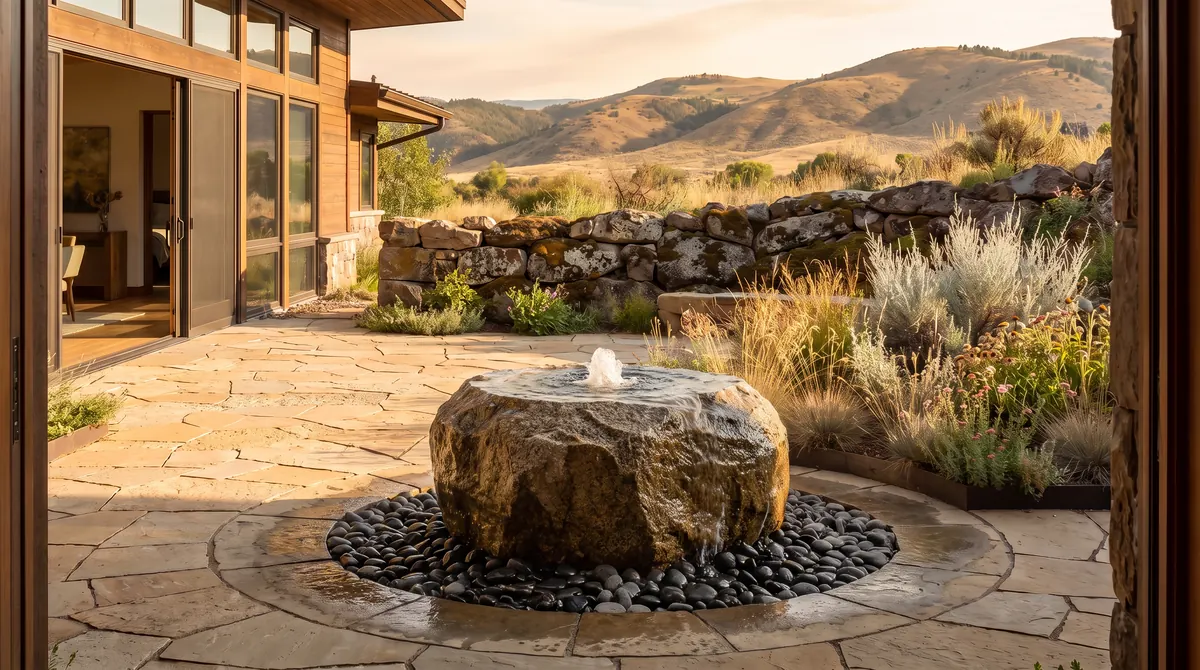
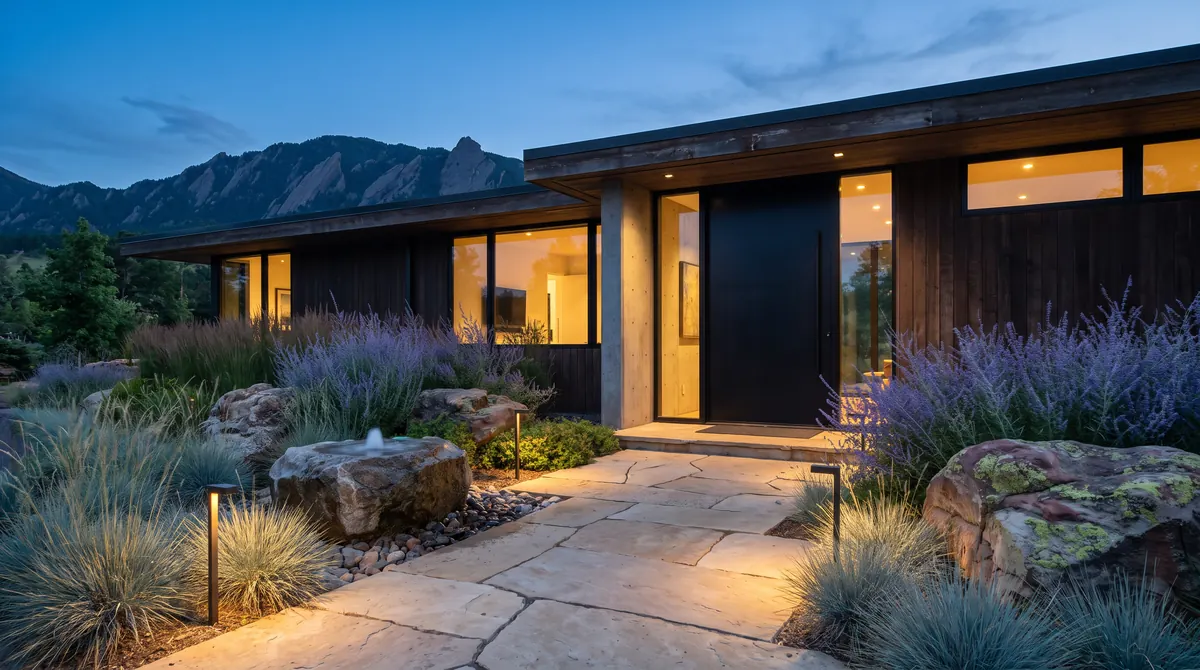
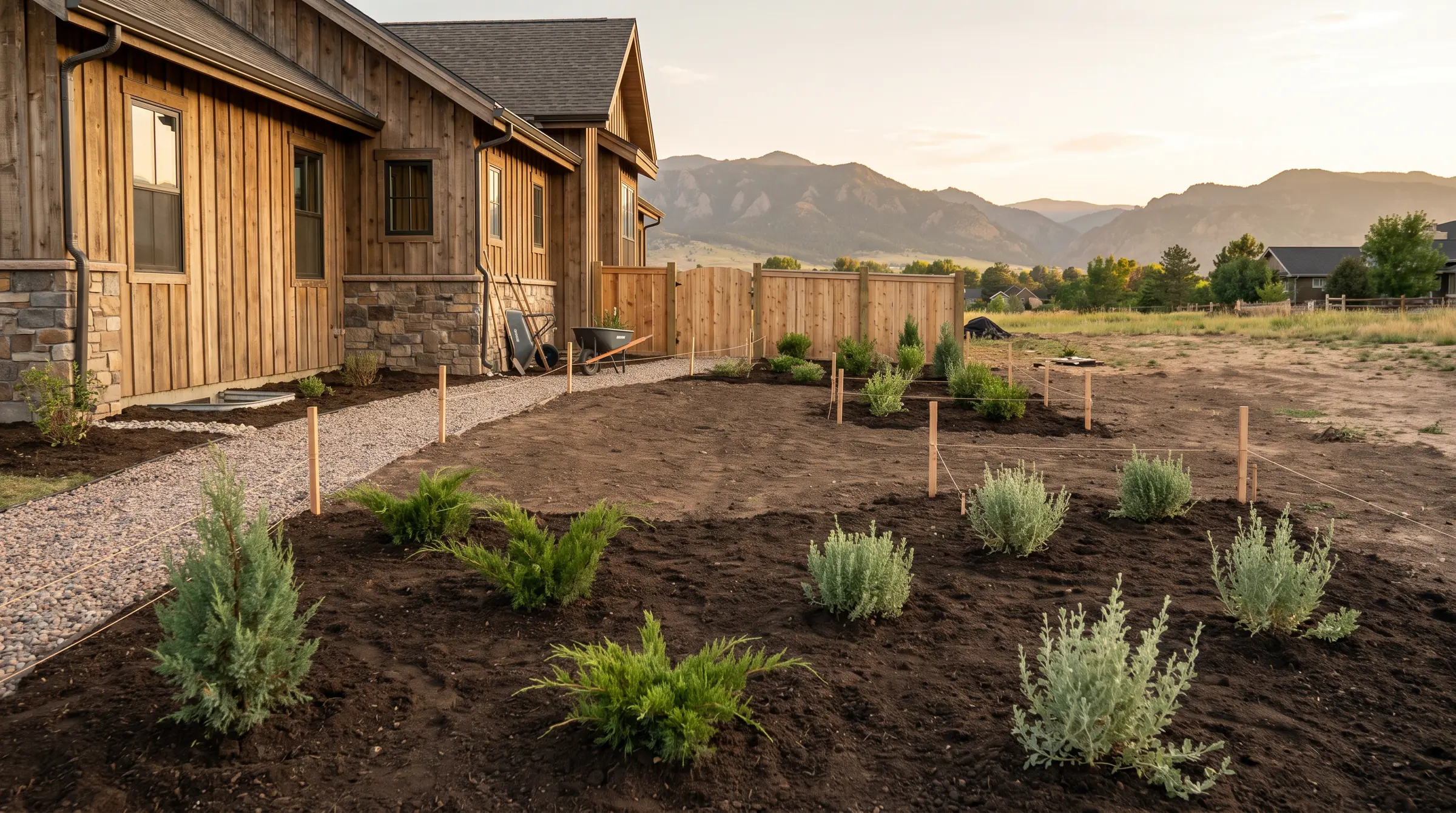
In a Louisville design, that five-foot band becomes a real part of the yard: a gravel walk around the house, a paver landing at each door, a dry stream to carry roof water. Planting starts at its outer edge.
Louisville plant choices after the juniper ban
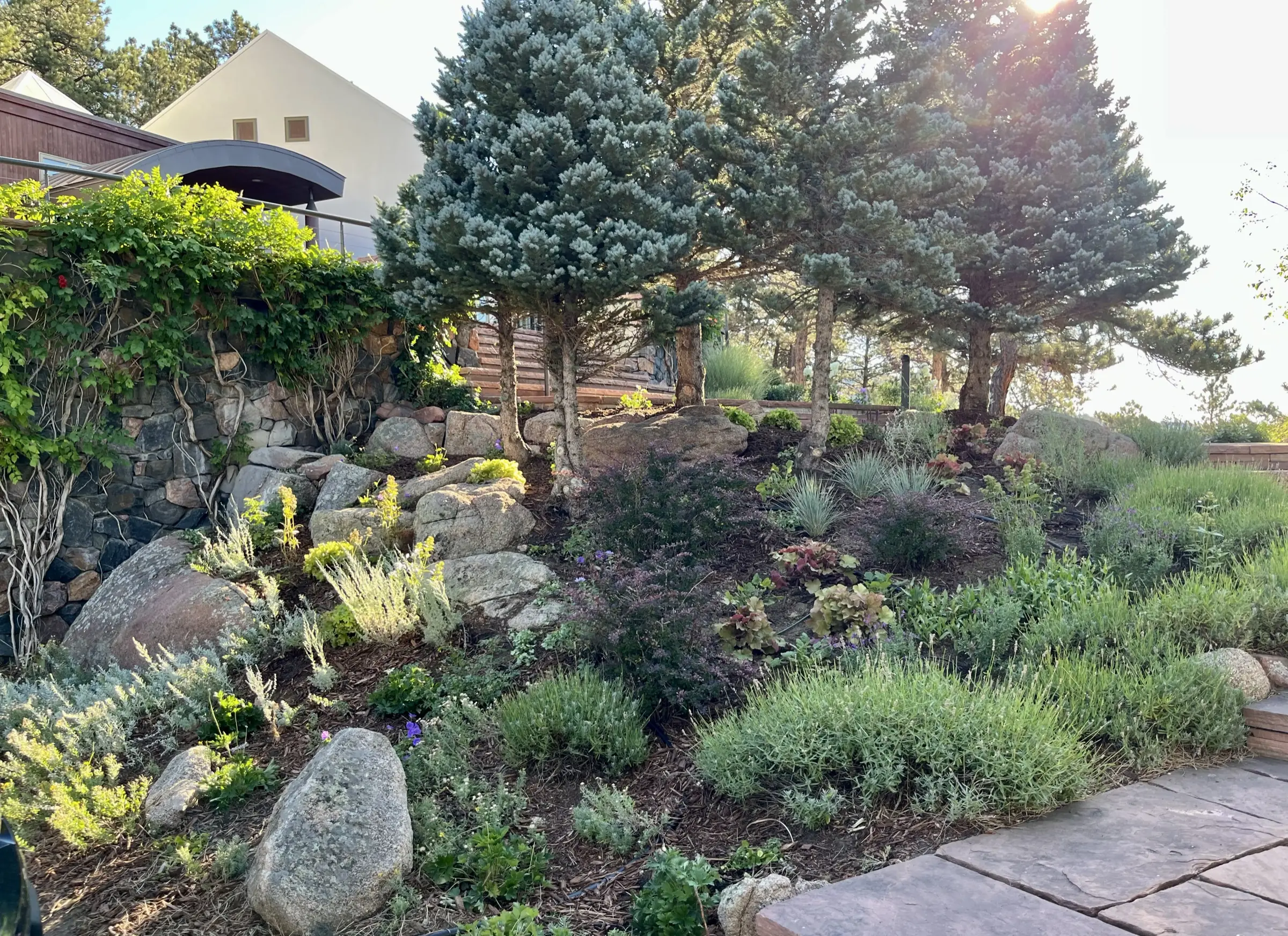
Louisville bans planting any kind of juniper as of January 21, 2026. Junipers were a standby for year-round green, so a Louisville plan needs other evergreen structure and plants that hold their shape in winter.
The city points homeowners to the Colorado State Forest Service and CSU Extension for low-flammability plants. The Forest Service's home ignition zone guide treats 0 to 5 feet as the zone needing the most care, 5 to 30 feet as a transition with fewer fuels, and 30 to 100 feet as the outer zone.
Louisville fences, decks and permits in the design
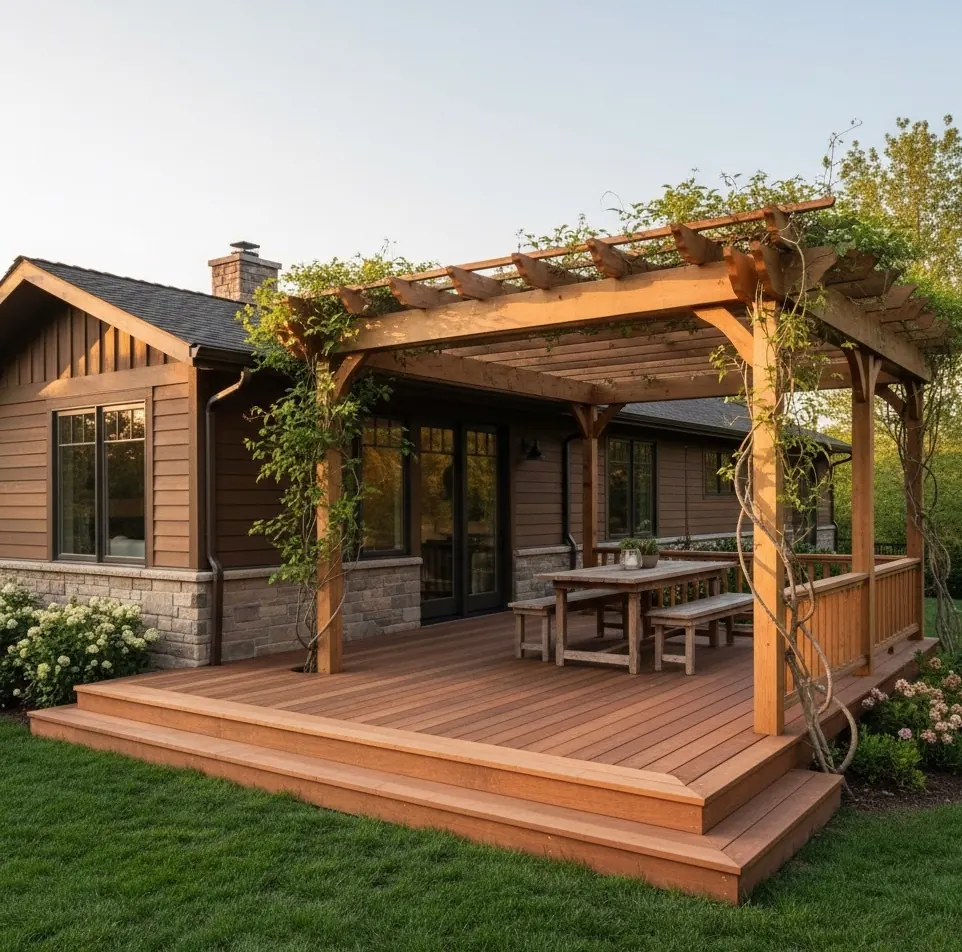
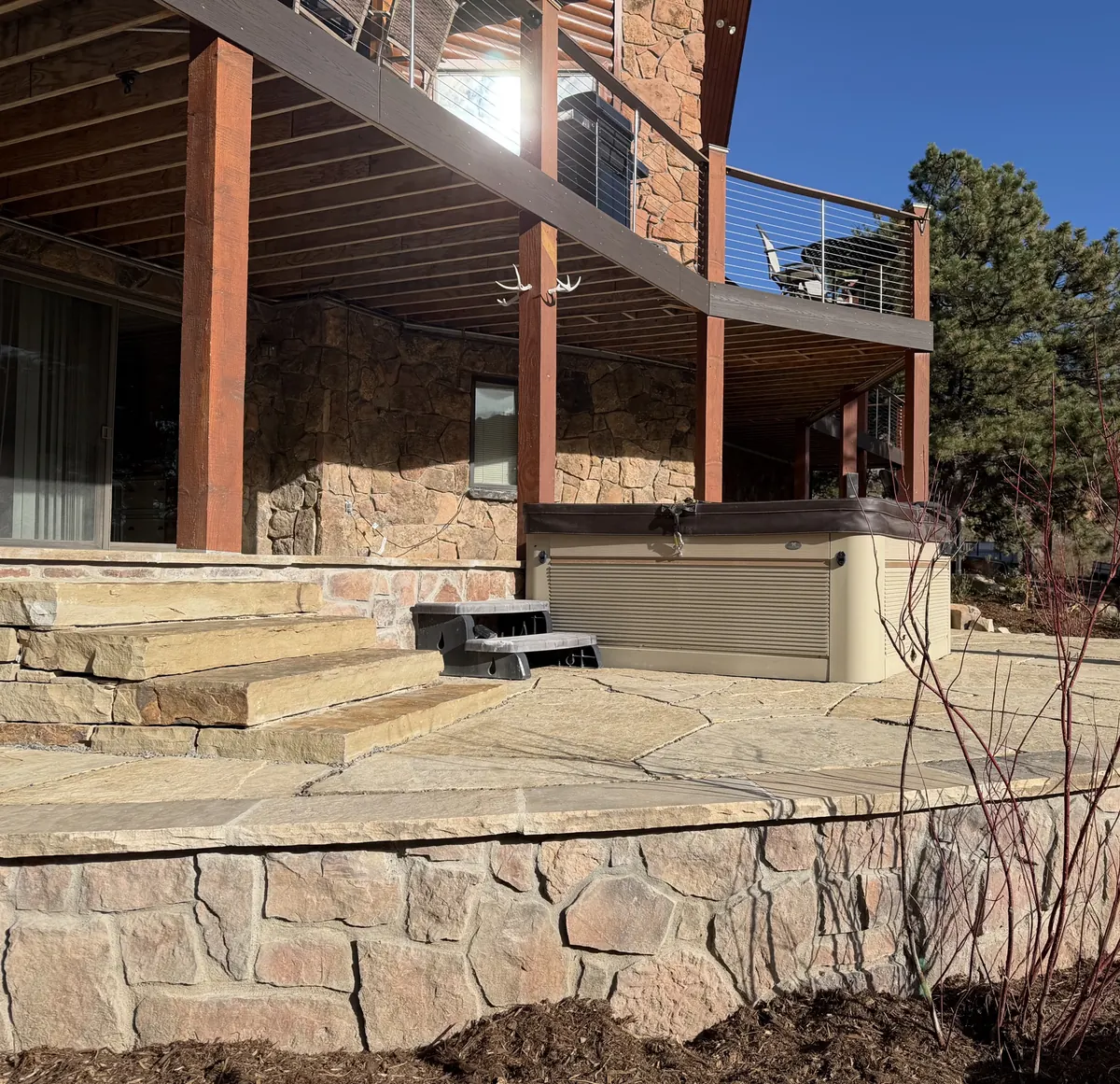
Louisville's code requires fences within 5 feet of a home to be Class A rated or built of metal, masonry or stone. Under decks 6 feet or lower, the ground must be gravel over 6-mil plastic, or concrete.
Louisville Building Safety requires permits for fences, decks, pergolas and irrigation systems. Retaining walls go to the Planning Department first. A design that shows all of these together keeps permits moving in the right order.
Fire zones in a Louisville landscape design
| Distance from the home | Louisville design approach | |
|---|---|---|
| Immediate Zone | 0 to 5 feet | Gravel, rock or pavers only; no new plants in rebuild subdivisions |
| Transition | 5 to 30 feet | Low-flammability plants, spaced, with trees pruned clear of the house |
| Outer | 30 to 100 feet | Lawn, meadow or larger trees, kept trimmed and watered |
Questions
Which Louisville neighborhoods does Ordinance 1916 cover?
The Marshall Fire rebuild subdivisions: The Enclave, Centennial Heights and Centennial Heights West, Centennial 6, 7 and 8, Cornerstone, Sundance (second and third filings), Cherrywood II and Coal Creek Ranch (Filings 3 and 4).
Can I use wood mulch next to my rebuilt Louisville home?
Not in the first five feet in a rebuild subdivision. Louisville allows only noncombustible hard ground cover there, and the city names wood mulch as a fuel embers can light.
What can replace junipers in a Louisville landscape?
Louisville bans new junipers, so a design uses other low-flammability evergreens and shrubs. CSU Extension and the Colorado State Forest Service publish lists the city points to.
Do Louisville irrigation systems need a permit?
Yes. Louisville Building Safety lists irrigation systems among the projects that need a permit.
Sources 4
More on landscape design and on landscapes in Louisville.