
What does the site work around a hot tub cost?
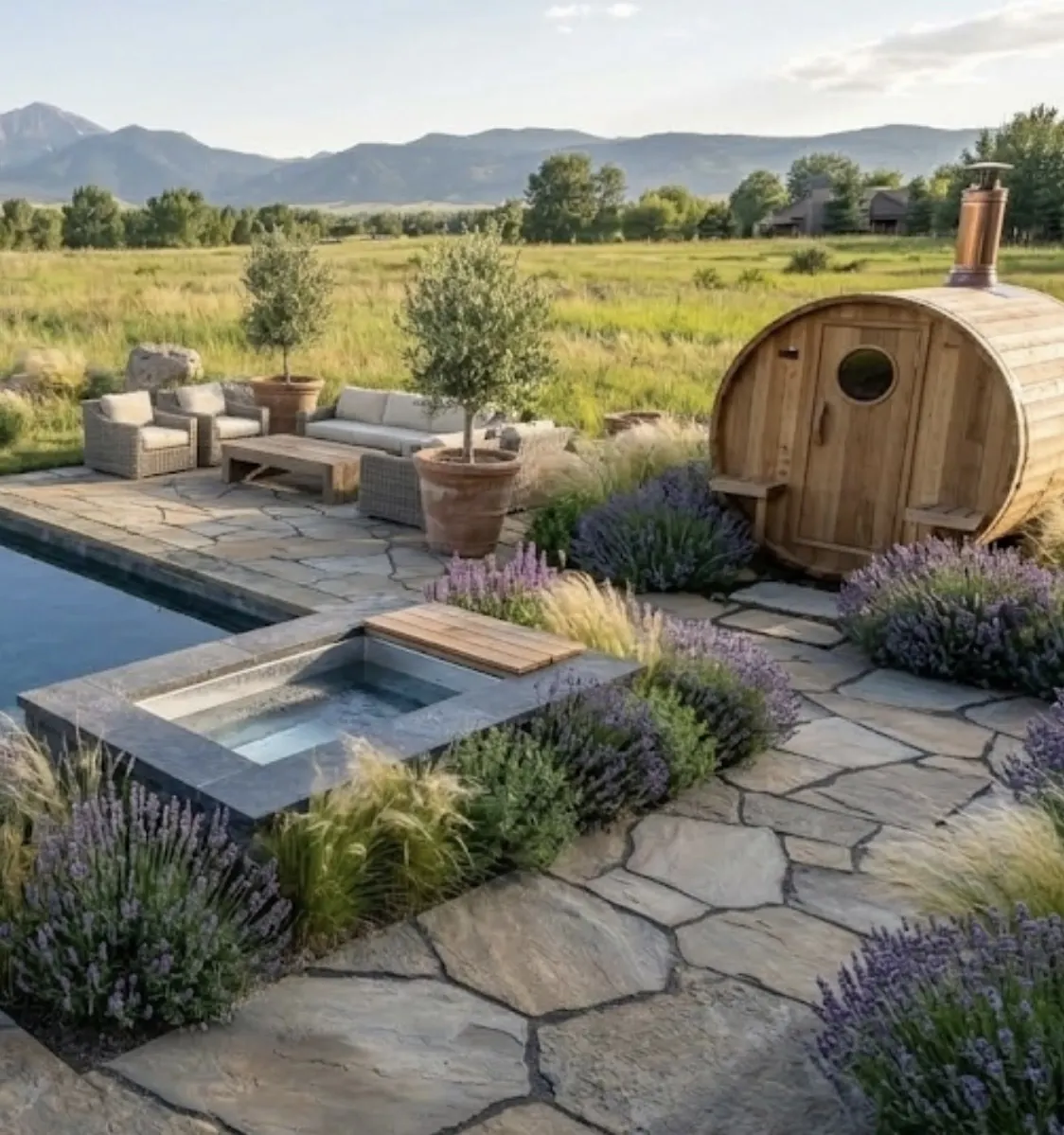
This guide prices what lets you use the tub: a level base, a dedicated circuit, a way into the yard and a place to step out onto.
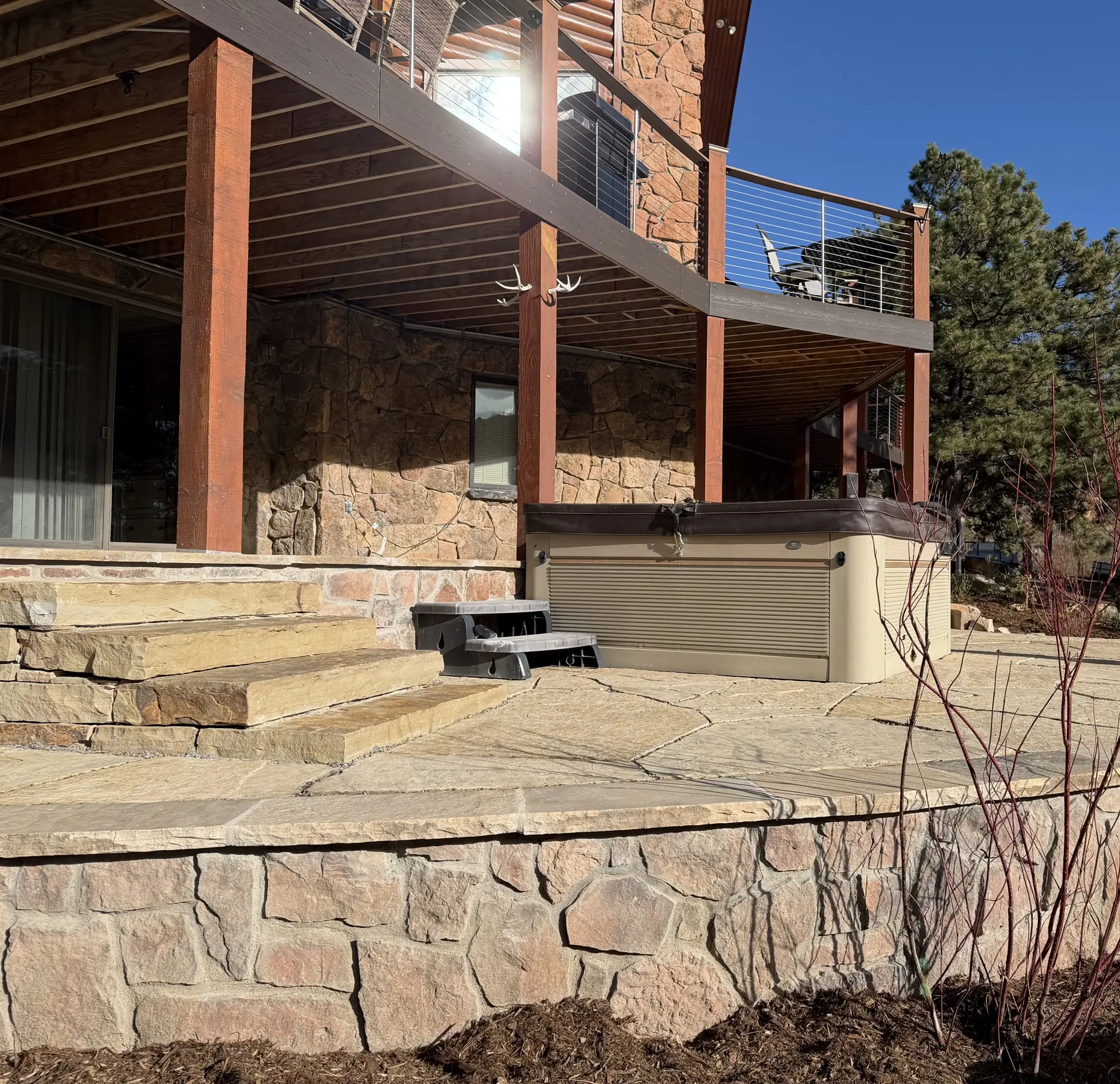
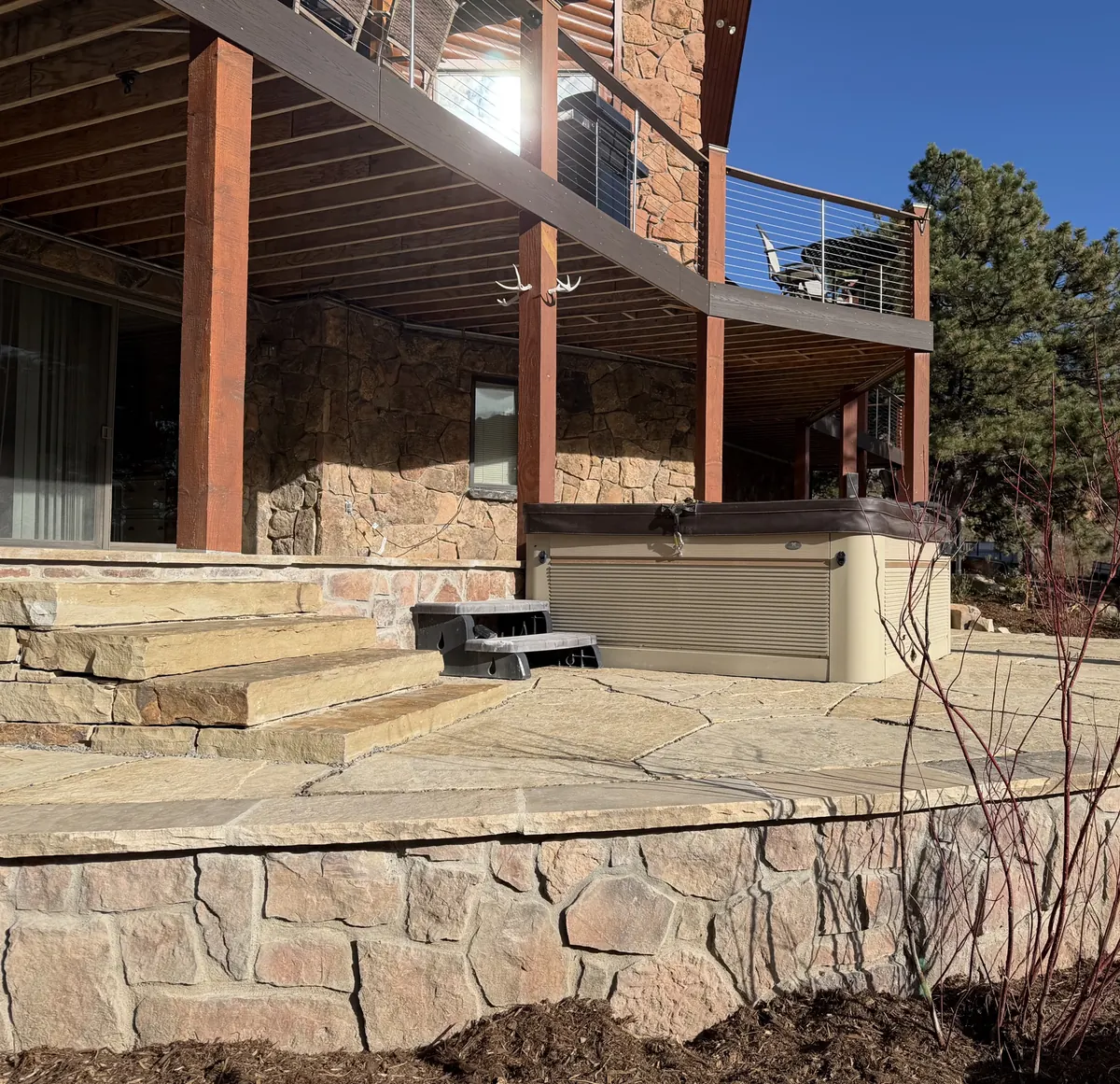
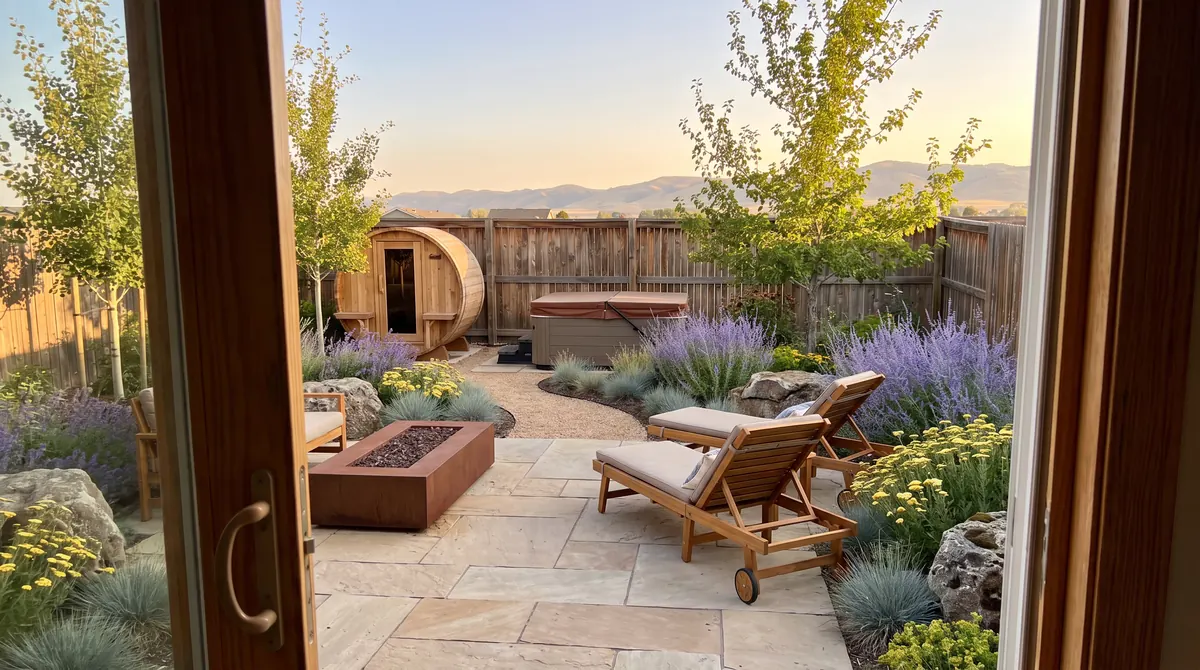
Two worked examples. A tub set on a gravel pad right beside an existing patio, 15 feet from the electrical panel, often needs only $1,500 to $4,000 of site work. A tub on a new 9 by 9 foot concrete pad, 25 feet from the panel, with 150 square feet of pavers around it, more often lands around $5,500 to $10,500. Privacy, lighting and planting come on top.
What changes the price of hot tub site work?
The electrical run is often the biggest swing. A hot tub needs its own 240-volt circuit and a GFCI disconnect at least 5 feet from the water. A short run from a panel with an open slot costs far less than a long buried run. If the panel is full, an upgrade can add $2,500 to $5,000.
Access comes next. If the tub can't roll on its side through a gate, a crane lifts it over the house for about $300 to $1,000.
Then the ground. Front Range clay swells when wet and shrinks when dry, so the base under a full tub needs good compaction. A tub on a deck is a different job: the City of Boulder's permit guide says its weight must be included in a structural engineer's calculations.
What a cheap bid often skips
A full hot tub is very heavy and sits in one spot for years. Ask how deep the gravel base goes, how it is compacted and how water drains away from the tub and the house.
Ask whether the electrical price includes the permit, inspection, GFCI disconnect and bonding. In unincorporated Boulder County, pool and spa plans must show the electrical installation and a one-line bonding diagram. Leave room to open the tub's side panels, since equipment you can't reach is costly to repair.
Covers belong in the first price too. Boulder County requires an insulated spa cover rated at least R-12, and a lockable safety cover meeting ASTM F1346 can stand in for a fence. The City of Boulder requires an insulated cover on all spas.
Permits and energy rules in Boulder, Longmont and Boulder County
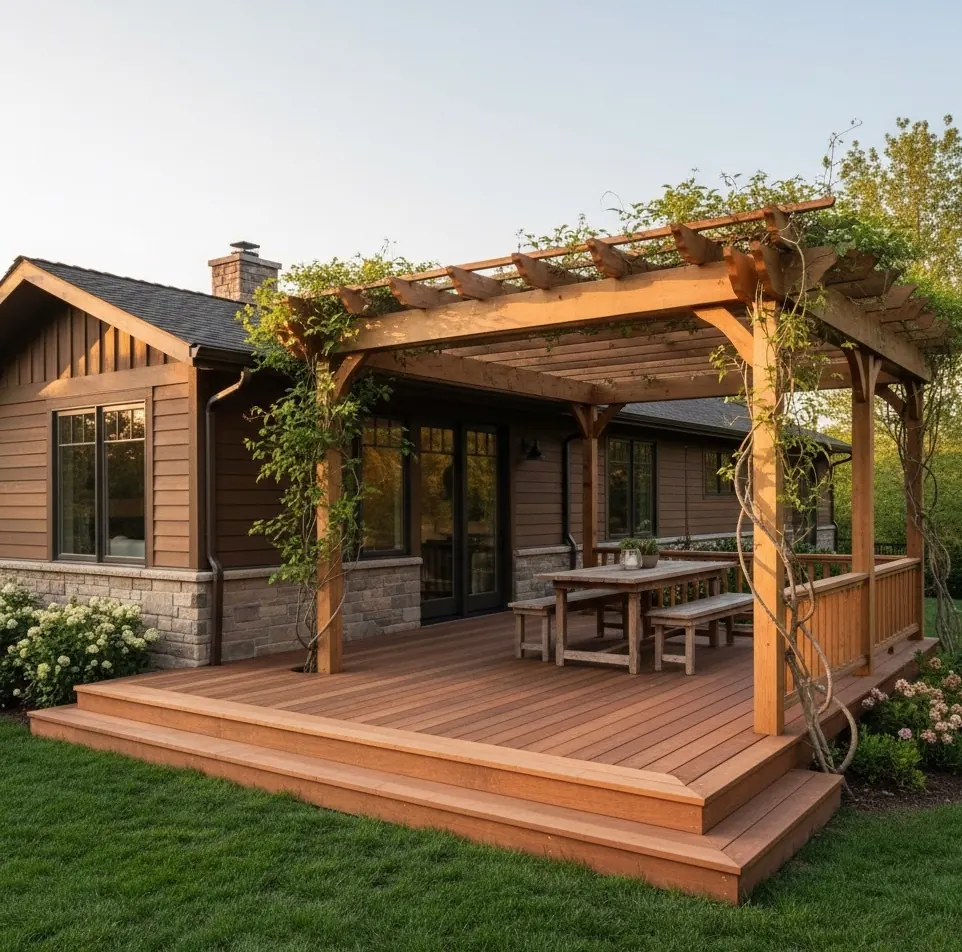
Plan on permits. Longmont lists hot tubs and pools, decks and pergolas, and any change to the electrical system as work that needs one. The City of Boulder requires a separate permit for a pool or spa, and another for a framed deck or pergola around it that isn't attached to the house. Boulder's 2026 fee schedule says electrical permits are required when they go with a general permit.
Energy rules can add real cost. The City of Boulder says energy used by pools, spas and other exterior equipment needing a building permit must be offset by on-site renewable energy, such as solar panels. Unincorporated Boulder County requires the same for spas, unless the spa is listed under California's Title 20 efficiency rules and is under 64 square feet. Heated pools there need non-fossil heat or an offset unless under 200 square feet.
If your roof has no spare solar, a small array for the offset can add roughly $3,000 to $8,000 at 2026 Colorado solar prices. Ask early, because the county reviews the solar before it issues the spa permit. Idlewild's guide to plunge pools and hot tubs covers placement, barriers and covers.
What the tub or pool itself costs, for context
These figures are context only, not part of the site work above. Idlewild does not build pool shells: the pool comes from its partners, Soake Pools and EVO Pools, and Idlewild builds the space around it.
Most new hot tubs cost about $5,000 to $20,000, depending on size, jets and insulation. A built-in hot tub usually costs $15,000 or more. A precast concrete or fiberglass plunge pool runs about $25,000 to $60,000 before site work, and a heater, chiller or automatic cover adds more.
A plunge pool also needs digging, a base, crane placement, plumbing, electrical and permits, commonly $10,000 to $30,000 or more before the patio.
Running costs, ways to save and getting an accurate price
At Colorado's August 2026 average of 17.17 cents per kilowatt-hour, a well-covered hot tub typically costs about $25 to $70 a month in electricity through a Front Range winter, and less in summer. A good cover and shelter from wind cut the bill. Chemicals, filters and water add a few hundred dollars a year.
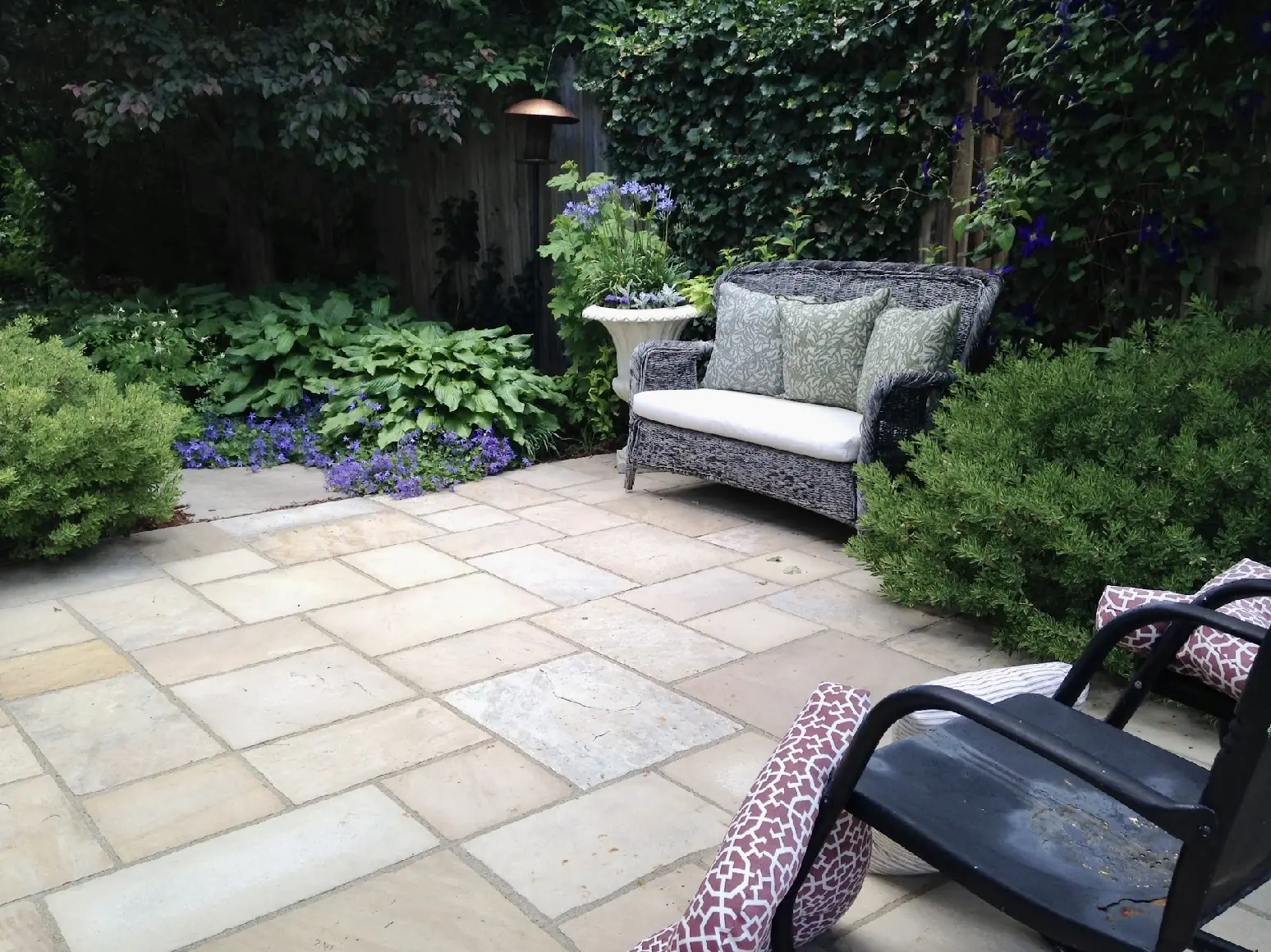
Place the tub close to the house: a short path gets shoveled and used in January, and a short electrical run costs less. If the tub comes later, have conduit laid under a new patio now. On a tight budget, start with a gravel pad and add pavers in a later phase.
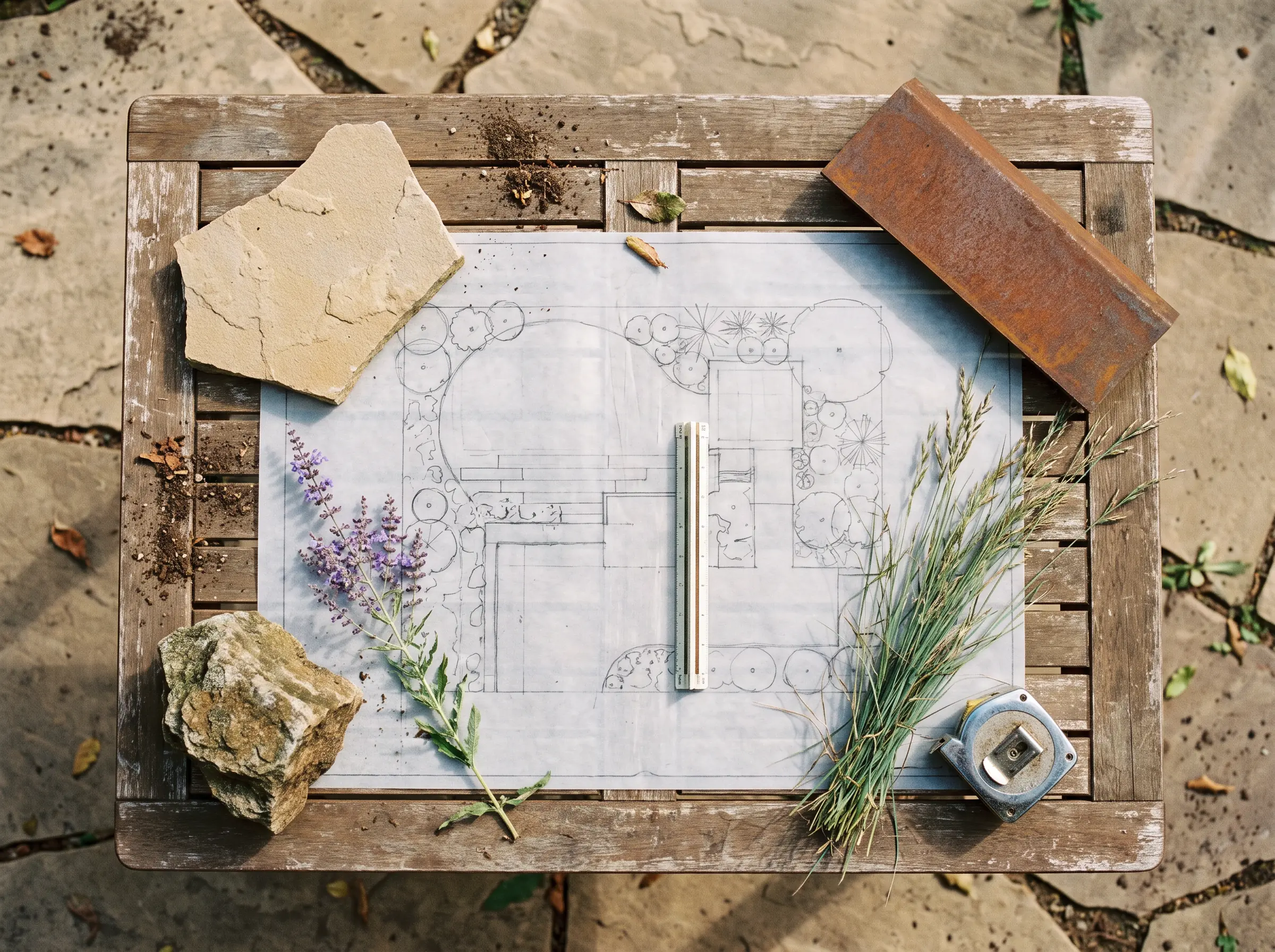
An accurate price needs a site visit to check the panel, delivery path, soil and views. Idlewild prices each project in writing after the design visit.
Typical 2026 costs in Boulder County: site work around a hot tub or plunge pool, not including the tub or pool
| Typical 2026 range | What it usually includes | |
|---|---|---|
| Gravel or prefab spa pad | $500 to $1,500 | Compacted gravel or a pad system, if the tub maker allows it |
| Poured concrete pad, 8 by 8 to 10 by 10 feet | $1,000 to $2,500 | Reinforced slab on compacted gravel, sloped to drain |
| Electrical, short run from the panel | $1,000 to $2,500 | 240-volt circuit, GFCI disconnect, bonding, permit |
| Electrical, long buried run or subpanel | $2,000 to $4,000 | Trench, conduit, heavier wire or a subpanel |
| Electrical panel upgrade, if needed | Adds $2,500 to $5,000 | When the panel can't carry the new circuit |
| Crane, if the tub can't roll in | $300 to $1,000 | Lift over the house or a wall |
| Patio around the tub | $15 to $45 per square foot | Concrete low, pavers middle, flagstone high |
| Privacy screen | $40 to $90 per linear foot | Six-foot wood screen, posts set in concrete |
| Recessed or in-ground hot tub | Adds $5,000 to $15,000 | Digging, drainage, retaining edge, equipment access |
| Plunge pool site work | $10,000 to $30,000 or more | Digging, base, crane, plumbing, electrical, permits |
| Solar offset, where required | $3,000 to $8,000 | Small solar array if the city or county requires one |
| Hot tub electricity | $25 to $70 per month in winter | Covered tub at Colorado's 2026 average price |
These ranges come from 2025 and 2026 prices published by Front Range electricians, hardscape and spa installers and from national cost surveys, adjusted for Boulder County labor and permits and checked in November 2026. Running costs use the federal average Colorado electricity price. They are a planning guide, not a quote.
Questions
How much does it cost to wire a hot tub?
About $1,000 to $2,500 for a short run, including the disconnect and permit. A long buried run or subpanel costs $2,000 to $4,000, and a panel upgrade adds $2,500 to $5,000.
Does a hot tub need a concrete pad?
Not always. Many portable tubs can sit on compacted gravel or a pad system, about $500 to $1,500, if the maker allows it. A poured concrete pad runs about $1,000 to $2,500.
Do I need a permit for a hot tub in Longmont or Boulder?
Yes. Longmont lists hot tubs and electrical changes as permitted work, and the City of Boulder requires a separate pool or spa permit. Unincorporated Boulder County has its own rules.
How much does a hot tub cost to run in winter?
About $25 to $70 a month for a covered tub at Colorado's 2026 average of about 17 cents per kilowatt-hour. A worn cover or windy spot costs more.
Is a plunge pool much more than a hot tub?
Yes. A plunge pool runs about $25,000 to $60,000 plus $10,000 to $30,000 or more of site work. A hot tub runs about $5,000 to $20,000 plus $3,000 to $12,000.
Sources 6
- Swimming Pools, Spas, and Hot Tubs B26 (Boulder County)
- Residential Building Permit Guide (City of Boulder)
- Renewable Energy Offset Requirements Form (City of Boulder)
- Planning and Development Services 2026 Schedule of Fees (City of Boulder)
- Permits (City of Longmont)
- Electric Power Monthly, Table 5.6.A: Average Price of Electricity to Ultimate Customers by End-Use Sector, by State (U.S. Energy Information Administration)