

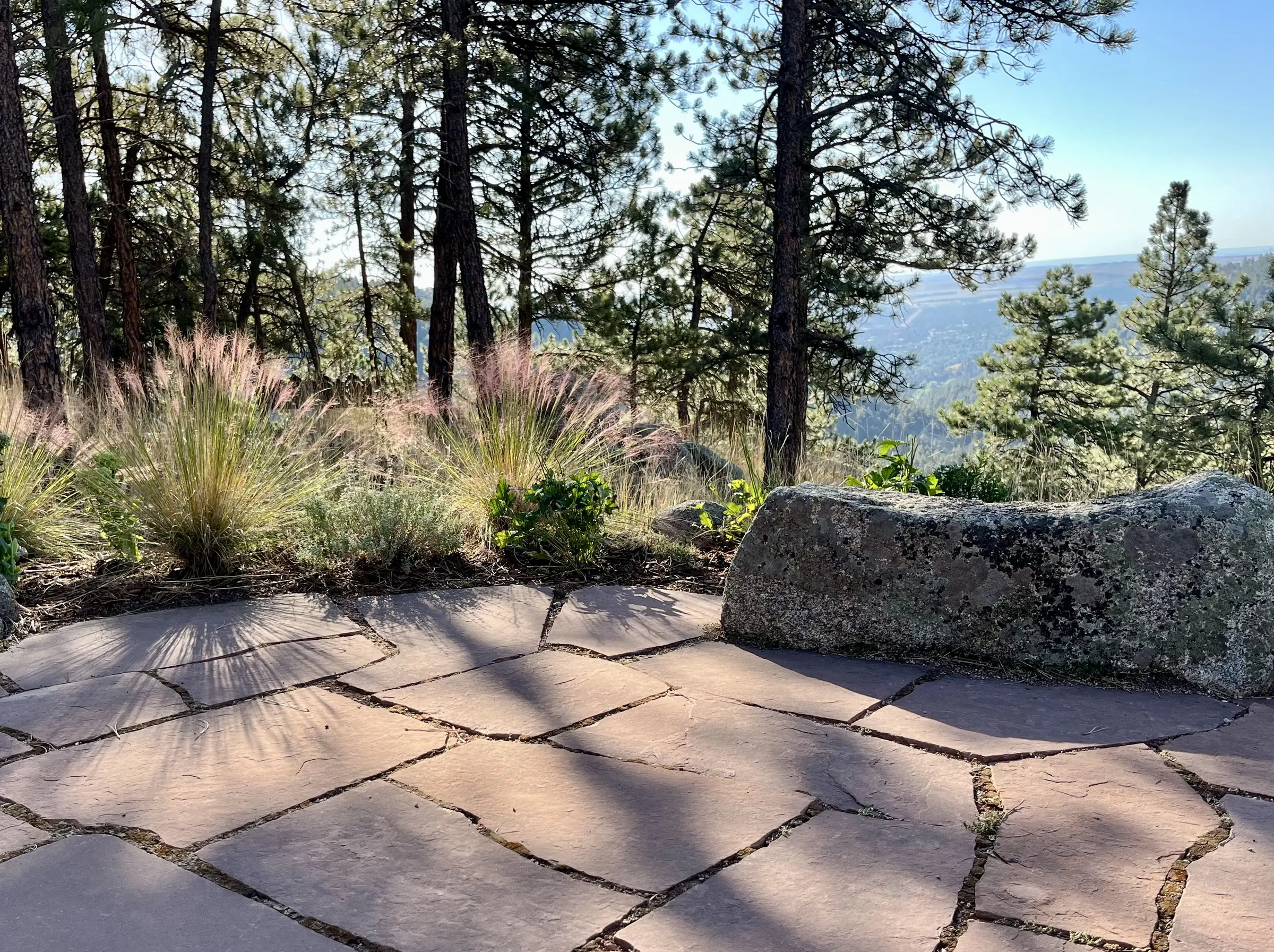
What a patio costs by material and size
Patios are priced by the square foot, installed: digging, a compacted gravel base, edging and the surface. Here is how the 2026 ranges play out.
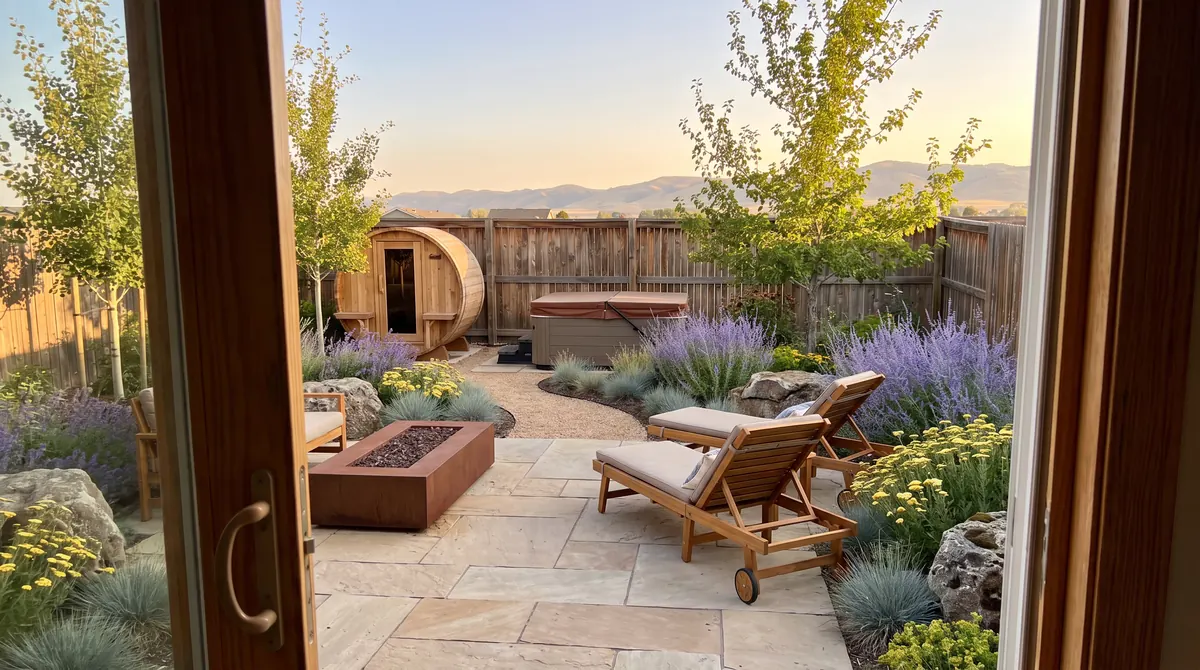
A 200 square foot concrete pad with a broom finish runs about $2,400 to $4,000. A 300 square foot dry-laid flagstone patio, room for a dining table, runs about $6,600 to $12,000. A 400 square foot paver patio runs about $8,000 to $15,200. The same 300 square feet of flagstone set in mortar on a slab runs about $10,500 to $18,000.
Small patios cost more per foot, since setup and delivery cost the same. A 12 by 12 flagstone patio often runs about $3,500 to $6,000.
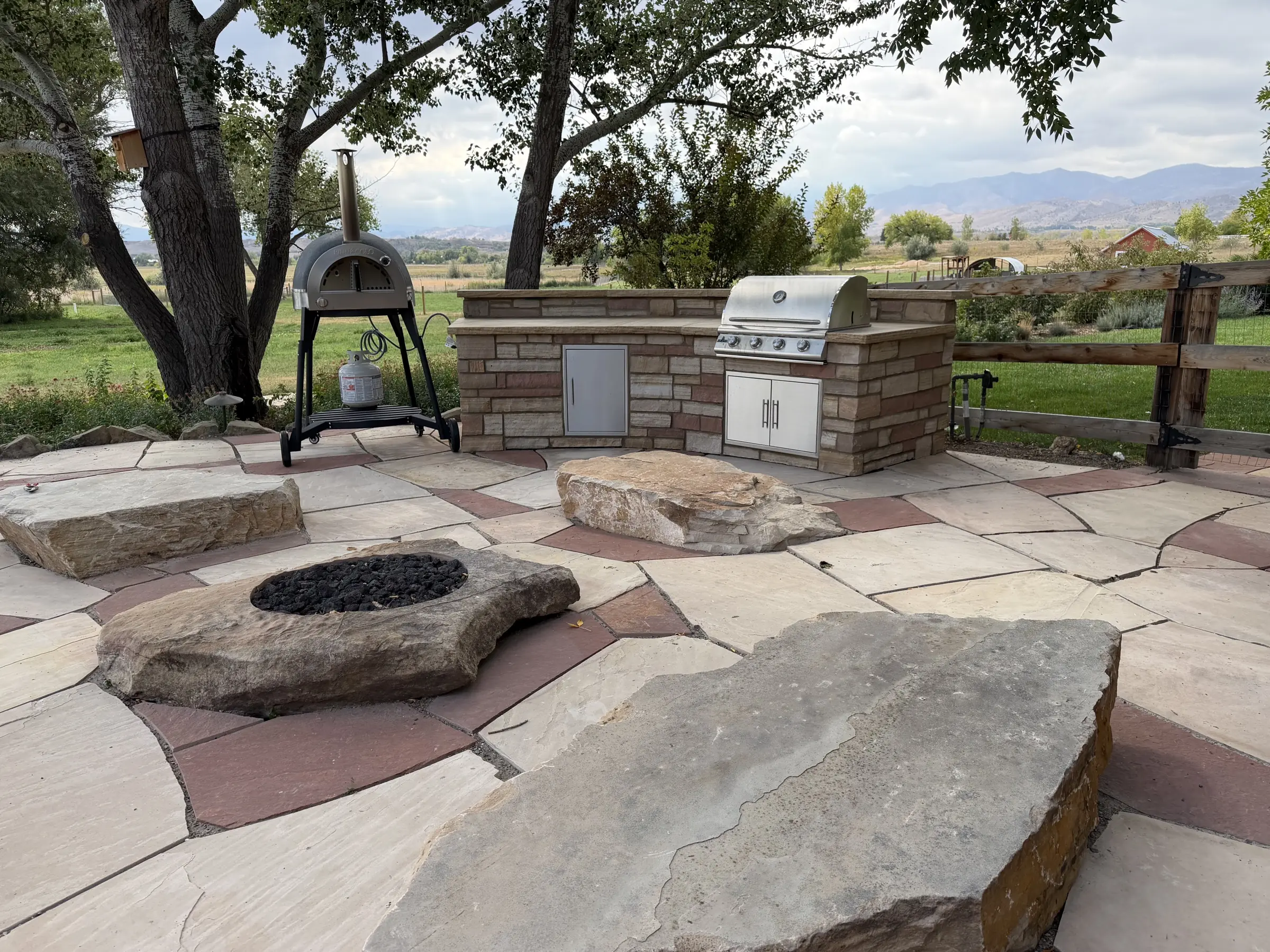
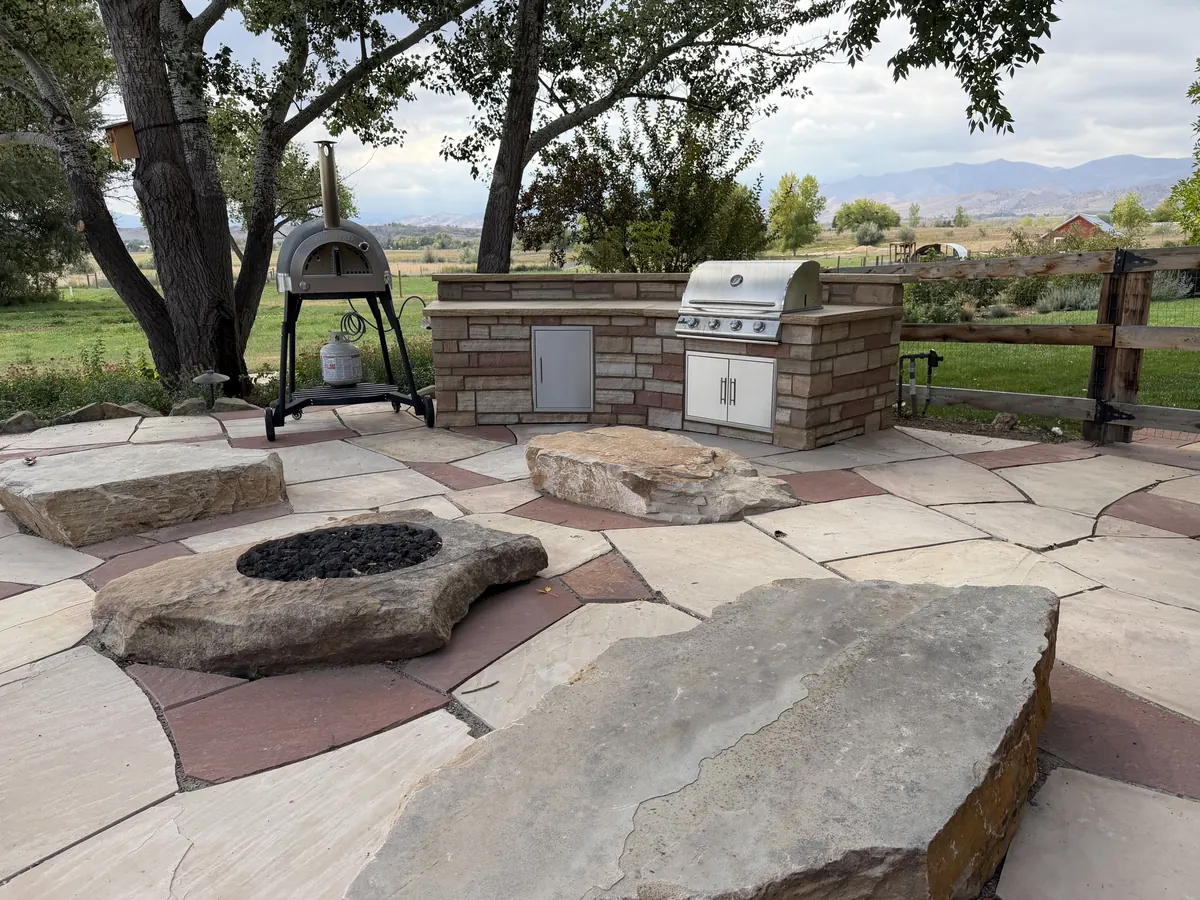
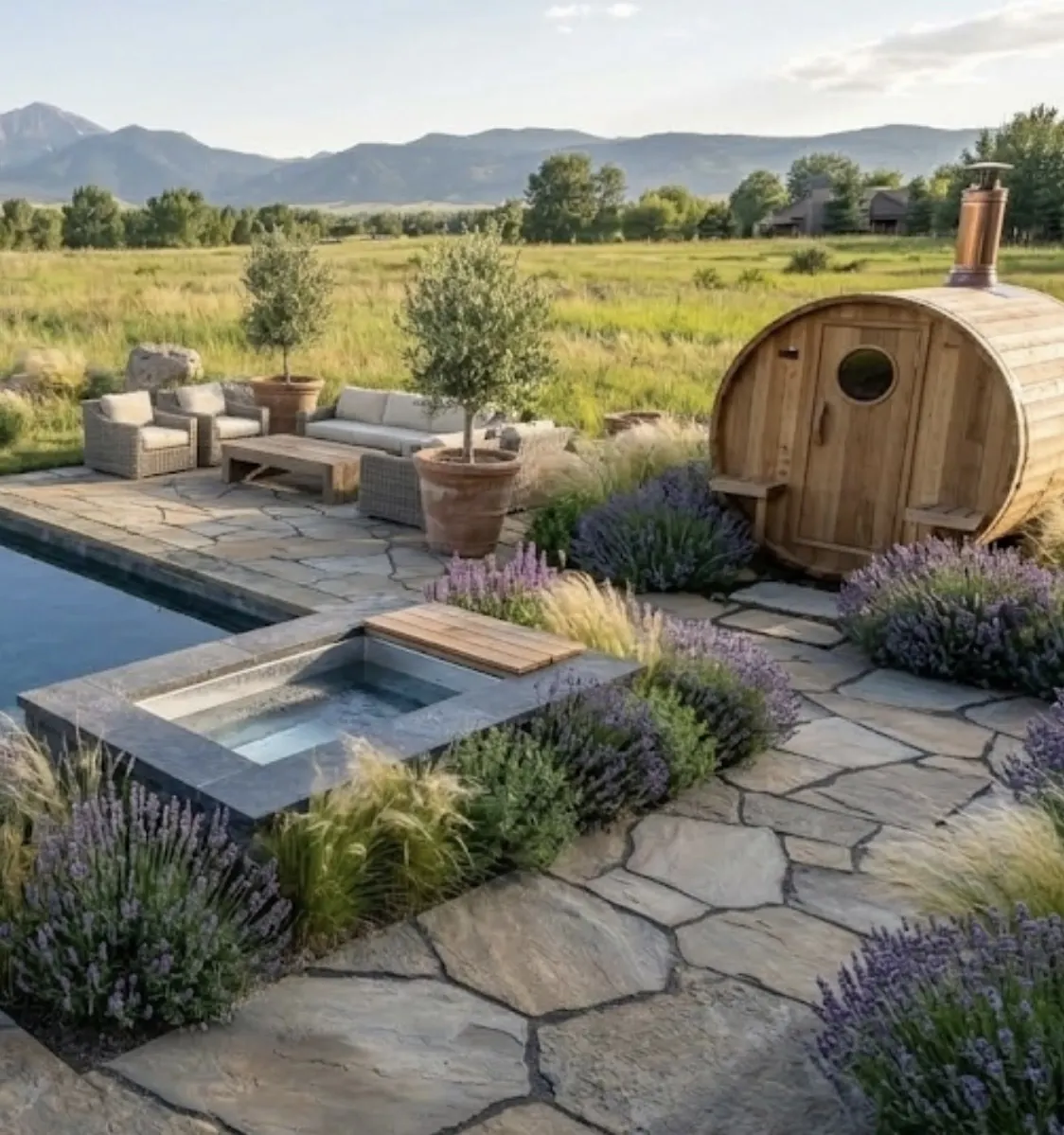
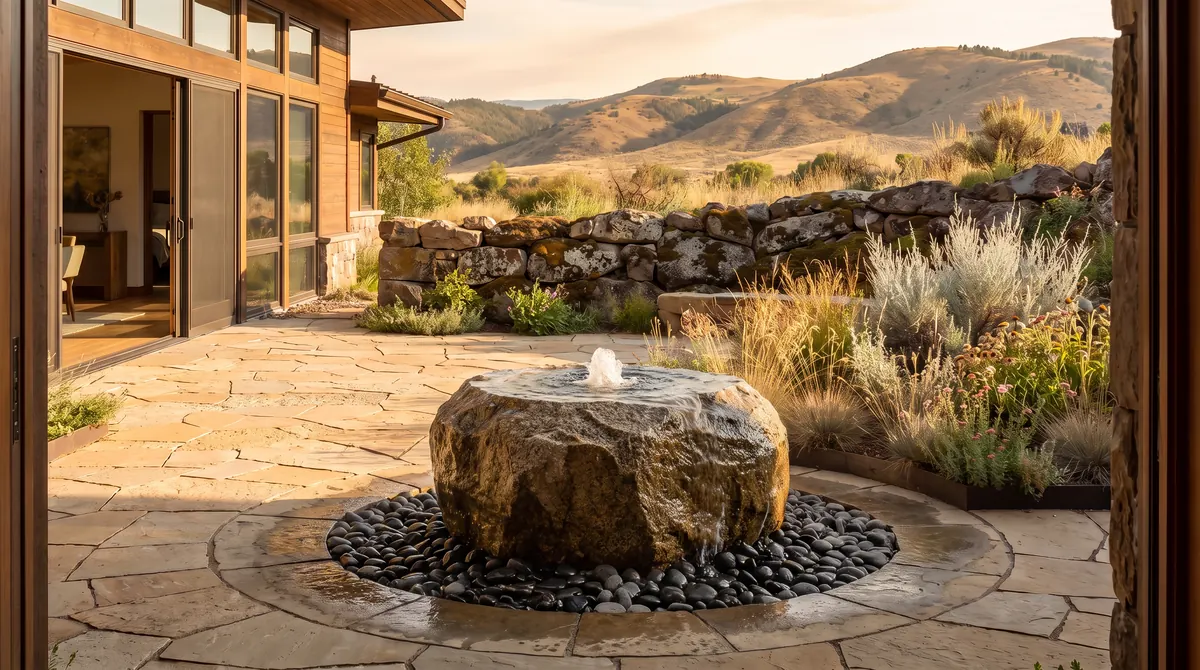
The stone matters too. Lyons red sandstone, quarried near Lyons, is usually the lower-cost local stone. Colorado buff costs more. Front Range yards listed red patio flagstone at about $250 to $500 a ton in 2026, and Colorado buff at about $600 to $900. A ton covers about 70 to 140 square feet, depending on thickness.
What changes the price of a patio here
Labor is the biggest part of a patio, and it costs more here. The U.S. Bureau of Labor Statistics put the median wage for landscaping workers in the Boulder area at $22.85 an hour in May 2025. That is about 21 percent above the national median of $18.82.
- Access. A small loader that fits through the gate is much faster than wheelbarrows. Narrow gates, steps and long carries add days.
- Soil. Wet clay or buried rock takes more digging and more base.
- Slope. A patio on a slope needs fill, a step or a short wall to sit level.
- What comes out first. Old concrete, lawn and roots have to be removed and hauled away.
- Shape. Curves and tight cuts take more hours than a simple rectangle.
- Extras. Stone steps, raised edges and seat walls are priced on top of the patio.
What goes under a patio that a low bid skips
The base is where cheap bids save money, and where patios fail. The Concrete Masonry and Hardscapes Association gives 4 inches of compacted base as the patio minimum in ideal conditions: strong soil, good drainage and no freezing. It says to add 50 percent for each one you don't have. Front Range yards freeze every winter, and many have slow-draining clay. That puts a sound base here at about 8 to 10 inches.
Deeper base costs money, which is why it gets cut. Going from 4 to 8 inches under a 300 square foot patio means about 3.7 more cubic yards of digging and 5 to 6 more tons of road base. The same group says a plate compactor under 5,000 pounds of force is too small for the job.
Clay is the other local risk. The Colorado Geological Survey calls swelling soil a common and sometimes serious problem in Colorado. A good patio drains, slopes water away from the house and keeps sprinkler spray off its edges. Our guide to flagstone, pavers or concrete covers how each surface handles freeze-thaw and de-icer.
Do you need a permit for a patio in Boulder County
Often not for a patio at ground level, but check your town. The City of Boulder says patios not more than 30 inches above grade, and not over a basement, need no building permit. Louisville's permit table says an uncovered concrete patio needs no permit, but a covered one does. Unincorporated Boulder County exempts sidewalks and driveways up to 30 inches above grade, and does not name patios. Longmont lists patios among additions that need a permit, so call Longmont first.
A roof, a gas line, a fire feature or new outlets need their own permits everywhere. Before anyone digs, Colorado law requires a call to Colorado 811 at least three business days ahead so public utility lines get marked. Private lines, such as a line to a shed, are not marked.
Ways to save on a patio without regret
The best savings come from the plan, not from a thinner base.
- Size it to how you live. Extra square feet you never use still cost the full rate.
- Mix materials. Pavers or concrete with a flagstone border gives a stone look for less.
- Pick the stone with price in mind. Lyons red often costs less per ton than Colorado buff.
- Plan for later. If a fire pit or kitchen is coming, lay gas and electrical sleeves under the patio now.
- Never cut the base. It is the one part you can't fix later without starting over.
How to get an accurate patio price
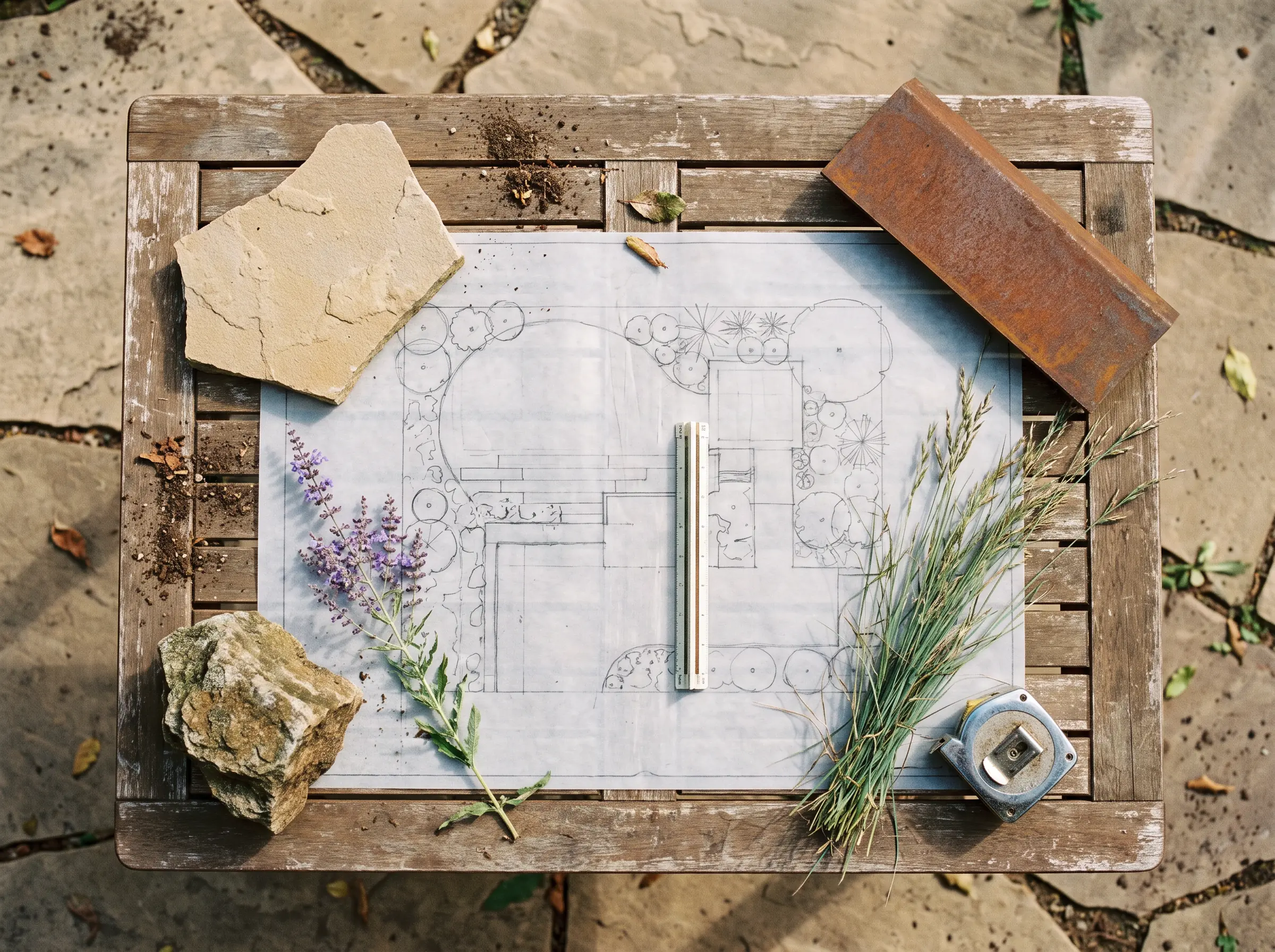
A real price depends on your soil, access, grades and drainage, so it comes after someone walks the site. Idlewild talks through cost early in design, with your investment range in mind, and prices each project after the design visit, in writing. Our guide to what happens at a design visit explains that first meeting.
When you compare bids, check that each lists square footage, base depth and material, compaction, the stone or paver and its thickness, edging, drainage, haul-off and permits. A bid that leaves out base depth is not a lower price. It is a different patio.
Typical 2026 costs in Boulder County, installed, per square foot of patio
| Typical 2026 range | A 300 sq ft patio | What it includes | |
|---|---|---|---|
| Poured concrete, broom finish | $12 to $20 per sq ft | $3,600 to $6,000 | Gravel base, forms and slab with control joints. Cracks are hard to hide. |
| Colored or stamped concrete | $18 to $32 per sq ft | $5,400 to $9,600 | The same slab plus color, pattern and sealer. Reseal every few years. |
| Concrete pavers | $20 to $38 per sq ft | $6,000 to $11,400 | Deep base, sand bed, pavers, edge restraint and joint sand. Easy to lift and repair. |
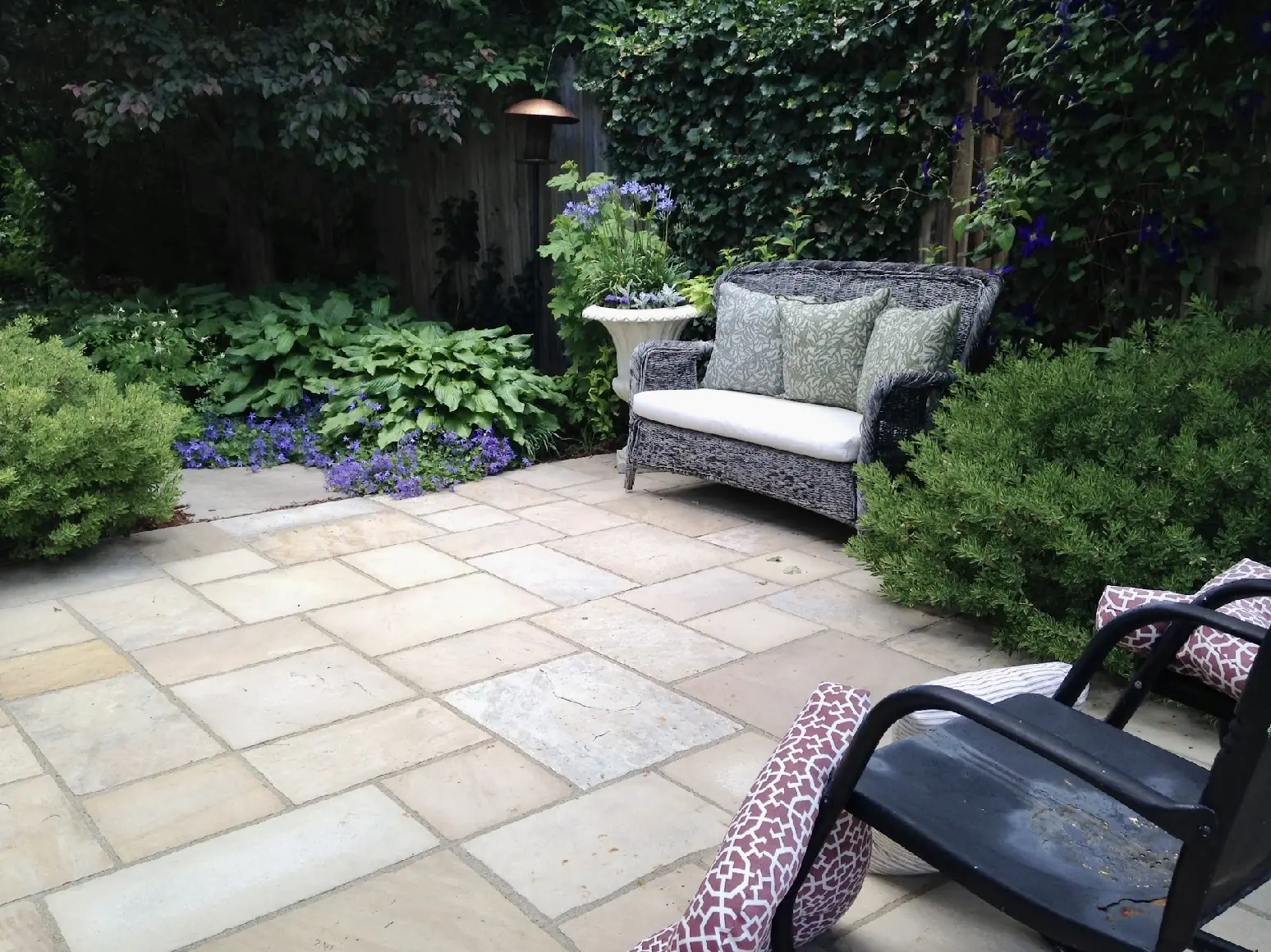
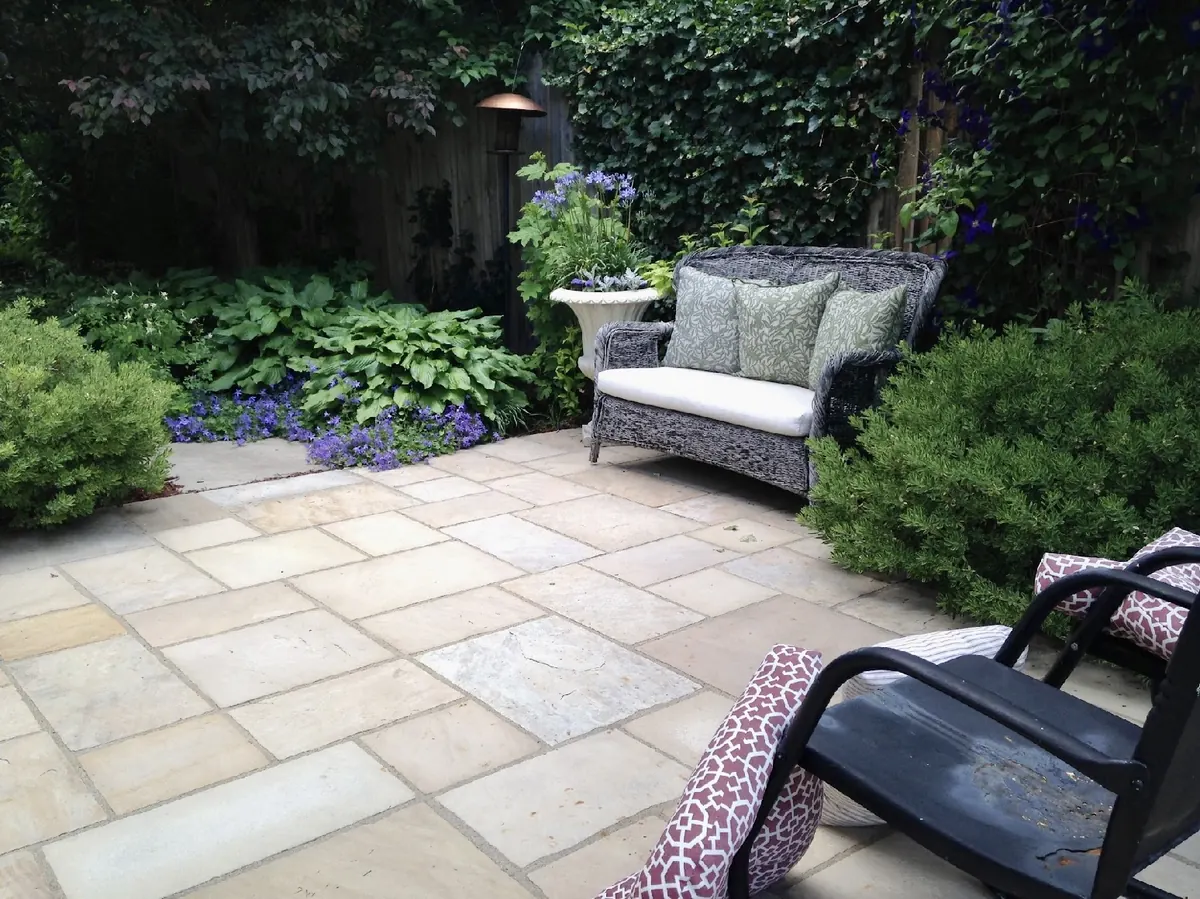
| Flagstone, dry-laid | $22 to $40 per sq ft | $6,600 to $12,000 | Stone set in sand or fine gravel on a compacted base. Lyons red near the low end, Colorado buff near the top. |
| Flagstone, mortar-set on a slab | $35 to $60 per sq ft | $10,500 to $18,000 | A concrete slab, then stone in mortar with grouted joints. Smoothest surface, most labor. |
| Flagstone, stone only | $2 to $12 per sq ft | $600 to $3,600 | Red about $250 to $500 a ton, Colorado buff about $600 to $900 a ton, before delivery. |
These ranges come from 2025 and 2026 prices published by Front Range hardscape contractors and stone yards, and from national cost surveys adjusted for Boulder County labor and soil, checked in November 2026. They cover digging, base, edging and the finished surface. They are a guide for planning, not a quote.
Questions
Is a paver patio cheaper than flagstone?
Usually a little. In 2026, concrete pavers run about $20 to $38 per square foot installed in Boulder County, and dry-laid flagstone about $22 to $40. Flagstone set in mortar costs more, about $35 to $60.
What does a 12 by 12 flagstone patio cost?
About $3,500 to $6,000 for dry-laid flagstone in 2026. Small patios land near the top of the per-foot range because setup and delivery cost the same.
How much is a ton of flagstone in Colorado?
Front Range yards listed red flagstone at about $250 to $500 a ton in 2026, and Colorado buff at about $600 to $900. One ton covers about 70 to 140 square feet.
Why do patios cost more here than national averages?
Labor and base. Boulder-area landscaping wages ran about 21 percent above the national median in 2025, and frost plus clay call for about 8 to 10 inches of base instead of 4.
Do I need a permit for a patio?
Usually not for an uncovered patio at ground level in Boulder or Louisville. Boulder County's list names sidewalks and driveways, not patios, and Longmont lists patios among additions, so check with both. A roof, gas line or wiring needs a permit everywhere.
Sources 8
- Proper Concrete Paver Base and Depth: What to Know and Why It Matters (Concrete Masonry & Hardscapes Association, 2025)
- Building Permits and Inspections: when a permit is needed (City of Boulder)
- Does my Project need a Permit? (City of Louisville)
- Building Permit Requirements B05 (Boulder County)
- Permits (City of Longmont)
- Swelling Soils (Colorado Geological Survey)
- Colorado 811
- Occupational Employment and Wages, Boulder, CO, May 2025 (U.S. Bureau of Labor Statistics)