
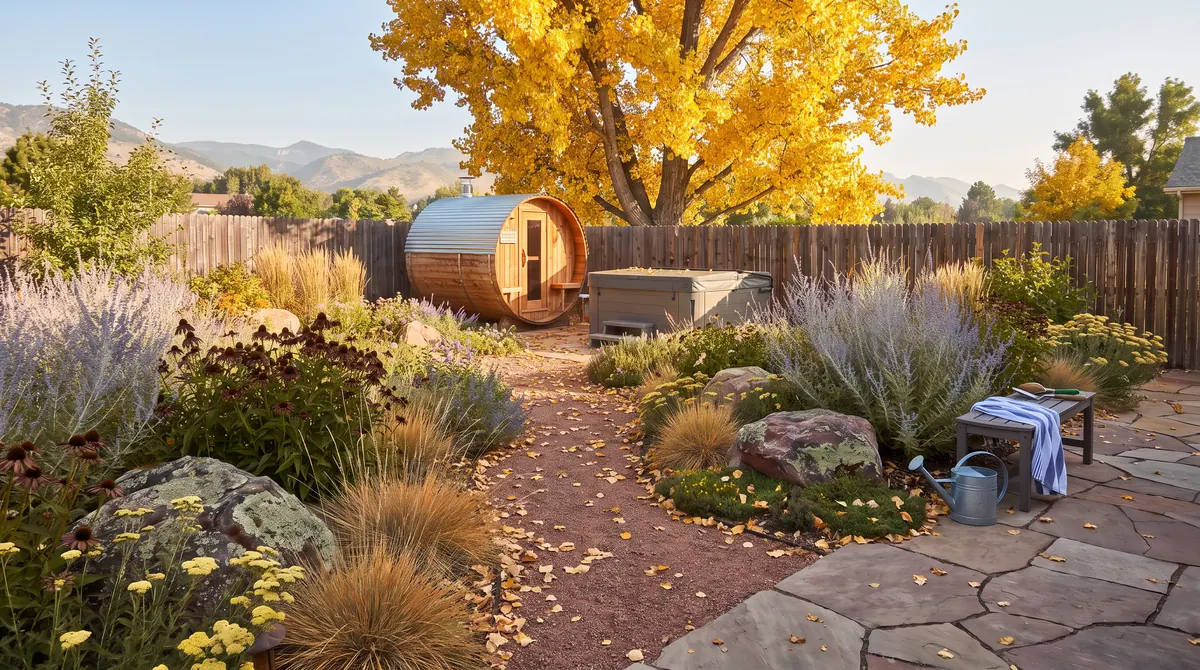
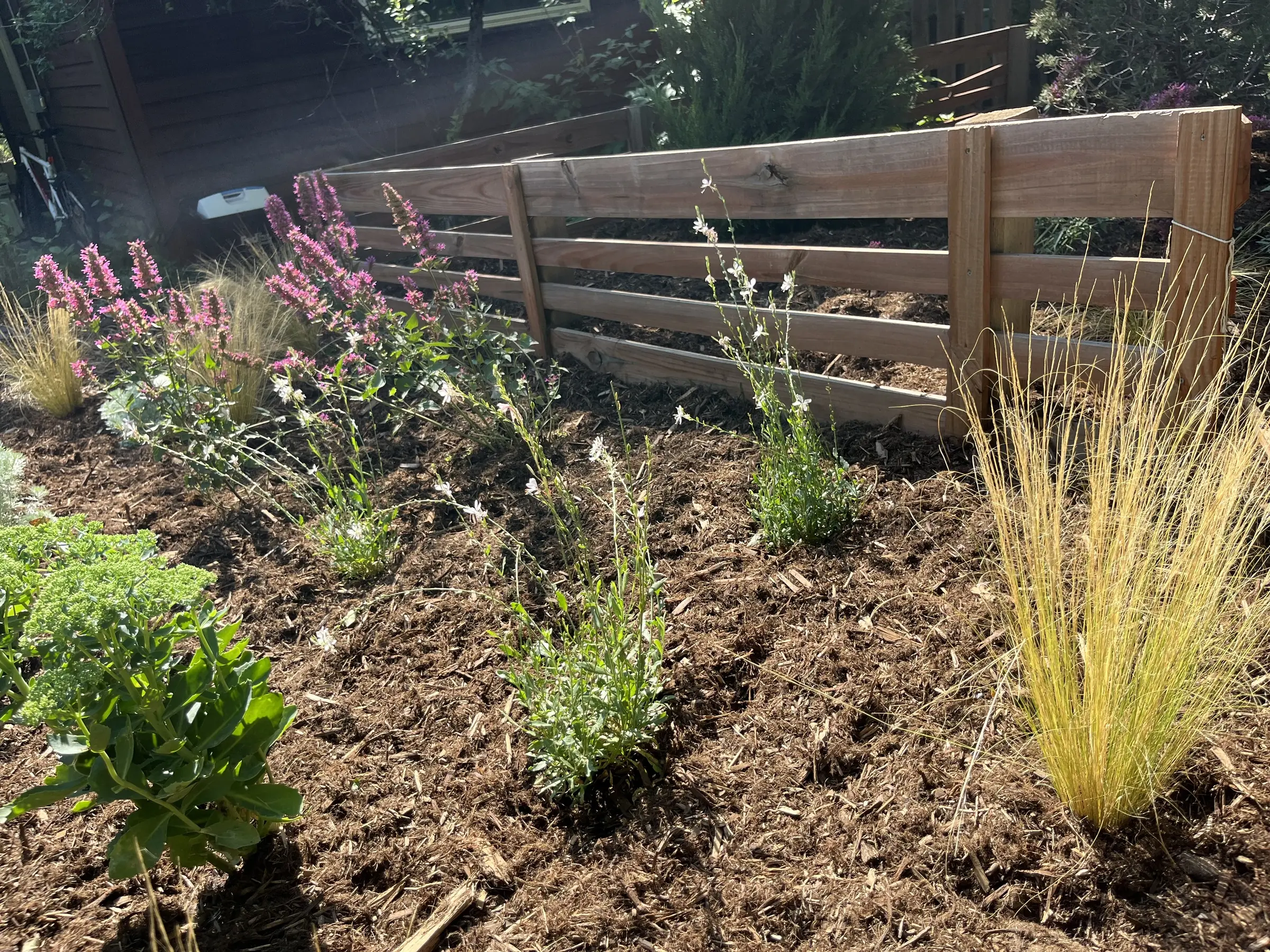
What counts as native
CSU Extension defines a Colorado native as a plant that grew in the state before European settlement. Colorado law uses a similar idea: a native plant is a species indigenous to Colorado. Some natives come from other parts of the state. The Colorado Native Plant Society's Front Range guide marks those, such as butterfly milkweed and Apache plume. They do well here even though they are local to another part of Colorado.
Native doesn't have to mean only native. CSU says adapted non-native plants can share a bed with natives when their light, water and soil needs match. Plant Select, a nonprofit started by Colorado State University, Denver Botanic Gardens and professional horticulturists, picks plants for this region. Many of its plants are western natives, and others are well-adapted plants from places with a similar climate.
Why natives suit Boulder County
The Colorado Native Plant Society's guide covers the Front Range and foothills, from Fort Collins through Longmont and Boulder to Denver. It describes a hard climate for garden plants: high winds, local heavy rain, heavy snow, long dry spells and low humidity. Soils run from rocky with little organic matter to sticky, heavy clay.
Natives grew up in those conditions. The guide says Colorado soils are low in organic matter and alkaline, and native plants usually grow well in them without amendment. Many prairie and Front Range natives thrive in clay. CSU warns that rich soil and fertilizer can make many natives grow too fast and die young.
There is a water reason too. The 2016 guide says outdoor watering made up about 55 percent of home water use in the Front Range urban area, most of it on lawn. It also notes that many noxious weeds started out as garden plants that escaped. Planting natives avoids adding to that problem.
Choosing plants by sun, soil and water
Walk the yard first. Note where it is sunny, shady, dry or wet, and which way each bed faces. The Front Range guide gives a simple rule. South-facing beds with reflected heat suit dryland plants. North-facing beds are cooler, moister and shadier, and suit plants from forest edges. West-facing beds act much like south-facing ones. East-facing beds are the mildest and grow the widest range.
Then group plants that need the same water. Put the thirstiest ones near the house, by downspouts or in low spots that collect water. Some natives need good drainage. For those in heavy clay, CSU suggests mixing 10 percent compost and 15 percent pea gravel into the root zone, or planting on a low berm. A soil test from your CSU Extension office helps on larger projects.
Check your HOA's rules before you plant. Both CSU and the Front Range guide remind homeowners that some communities limit what can be planted. Colorado law limits how far an HOA can go in blocking a drought-tolerant yard.
Natives for pollinators and birds
Native gardens feed more than bees. The Front Range guide says most native insects depend on specific native plants. Many butterflies sip nectar from almost any flower, but need certain plants for their caterpillars. Butterfly milkweed, for example, is a host plant for monarch caterpillars. Insects are also a large part of what songbirds feed their young.
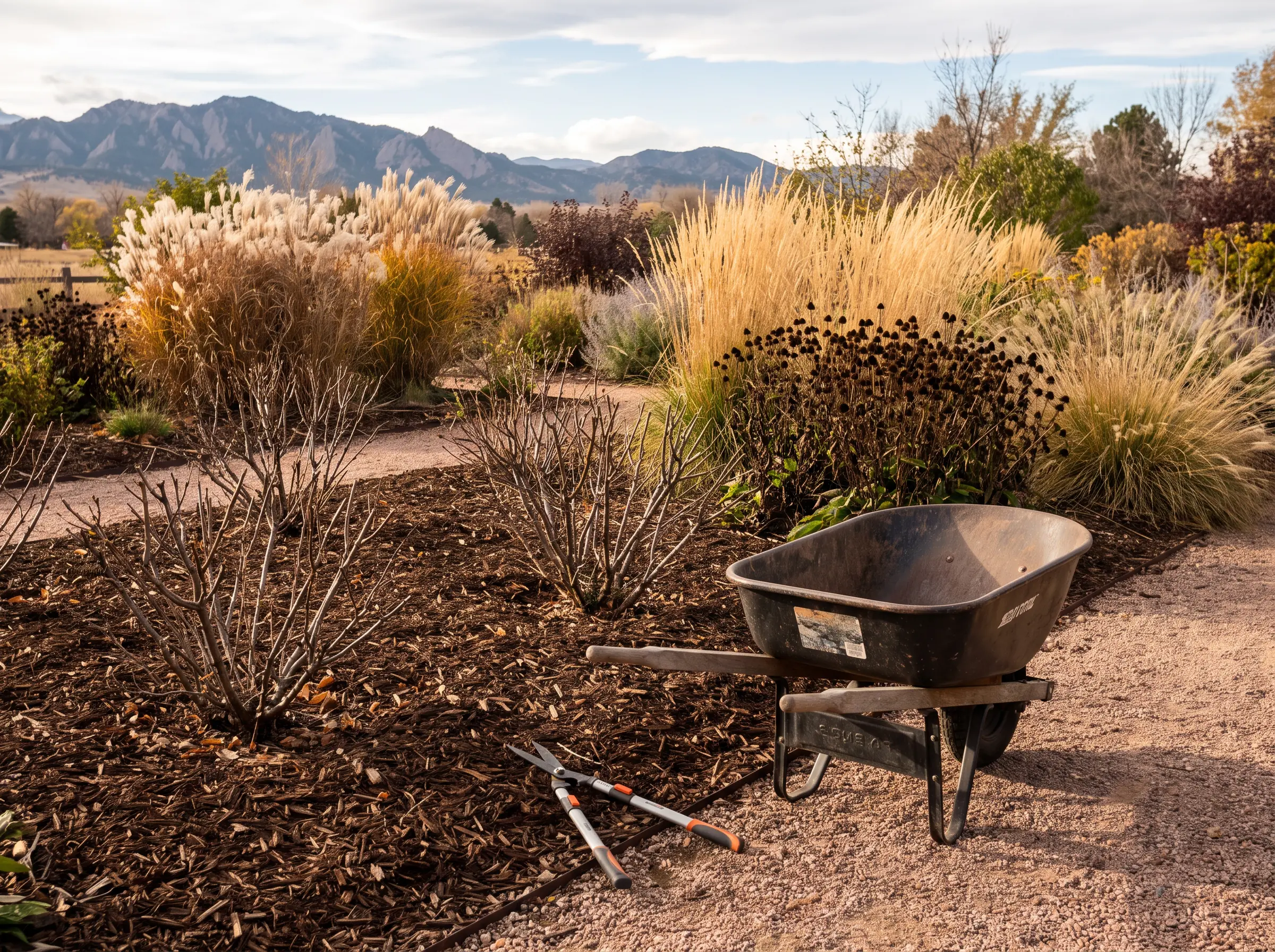
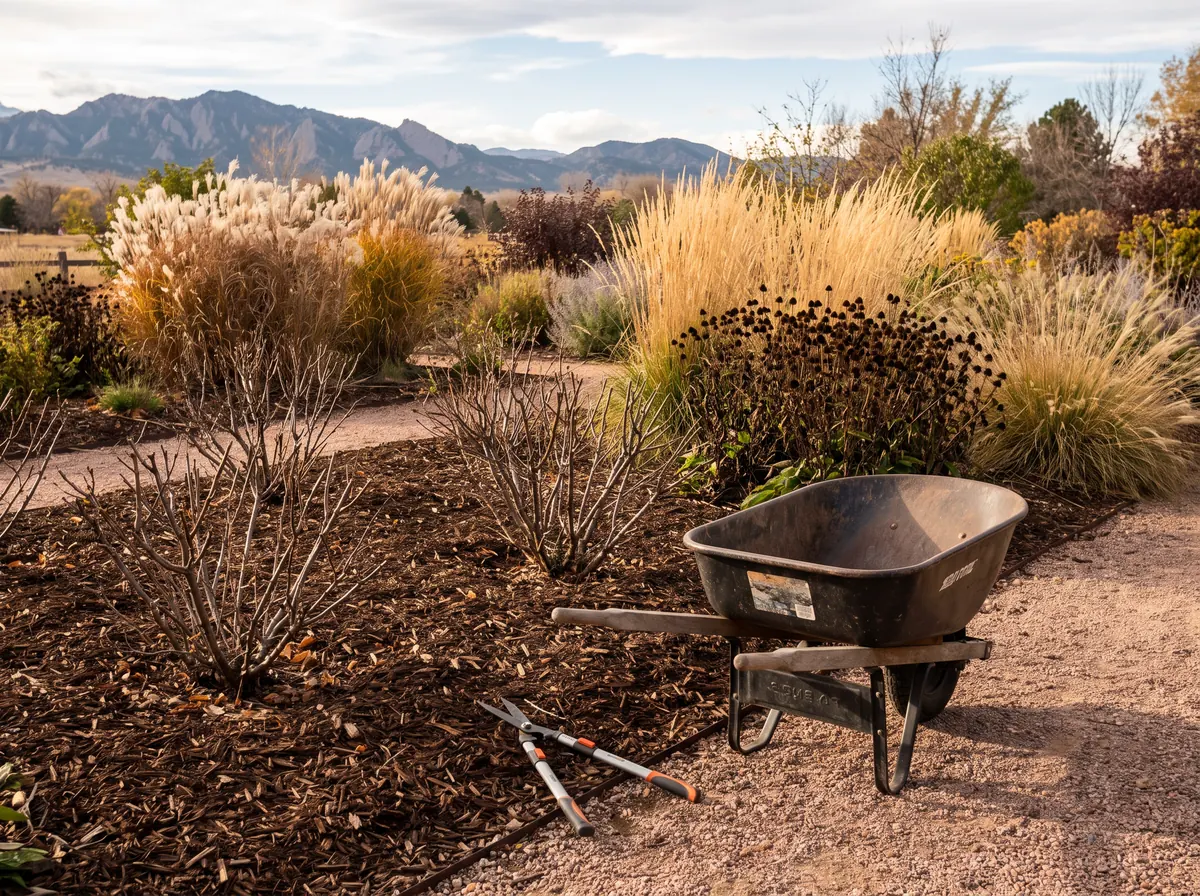
To help the most species, plant a wide mix and aim for flowers from spring into fall. Leave seed heads and stems standing after the first hard frost. CSU says this gives beneficial insects and birds shelter over winter, so cut back in spring instead.
Where to buy native plants
Most natives are sold as container plants, but CSU says supply varies, so call several nurseries. Asking for a plant can help get it stocked later. Bring the scientific name with you, since common names overlap. The Colorado Native Plant Society's guide points to a list of native plant vendors and to native plant sales posted on the society's website. Plant Select lists the garden centers that carry its plants.
Never dig plants from the wild. CSU says it reduces biodiversity, opens ground to weeds, may be illegal and rarely works, because wild plants seldom survive the move. Expect natives to look small in the pot. Many look modest at first and fill in over a few seasons.
Getting natives established
Plant nursery-grown natives in spring or early fall. Water them for at least the first season. The Front Range guide says the first three weeks matter most. Cut water back slowly once they are growing, and some natives can come off irrigation entirely. CSU notes that some may need extra water for a few months, others for a few years. Natives started from seed need weeds cleared first and water until they are up and growing.
Skip the fertilizer. Weed often for the first few years, and plant closely enough that the plants become a living mulch. In dry winters, water new plantings on mild days with no snow on the ground.
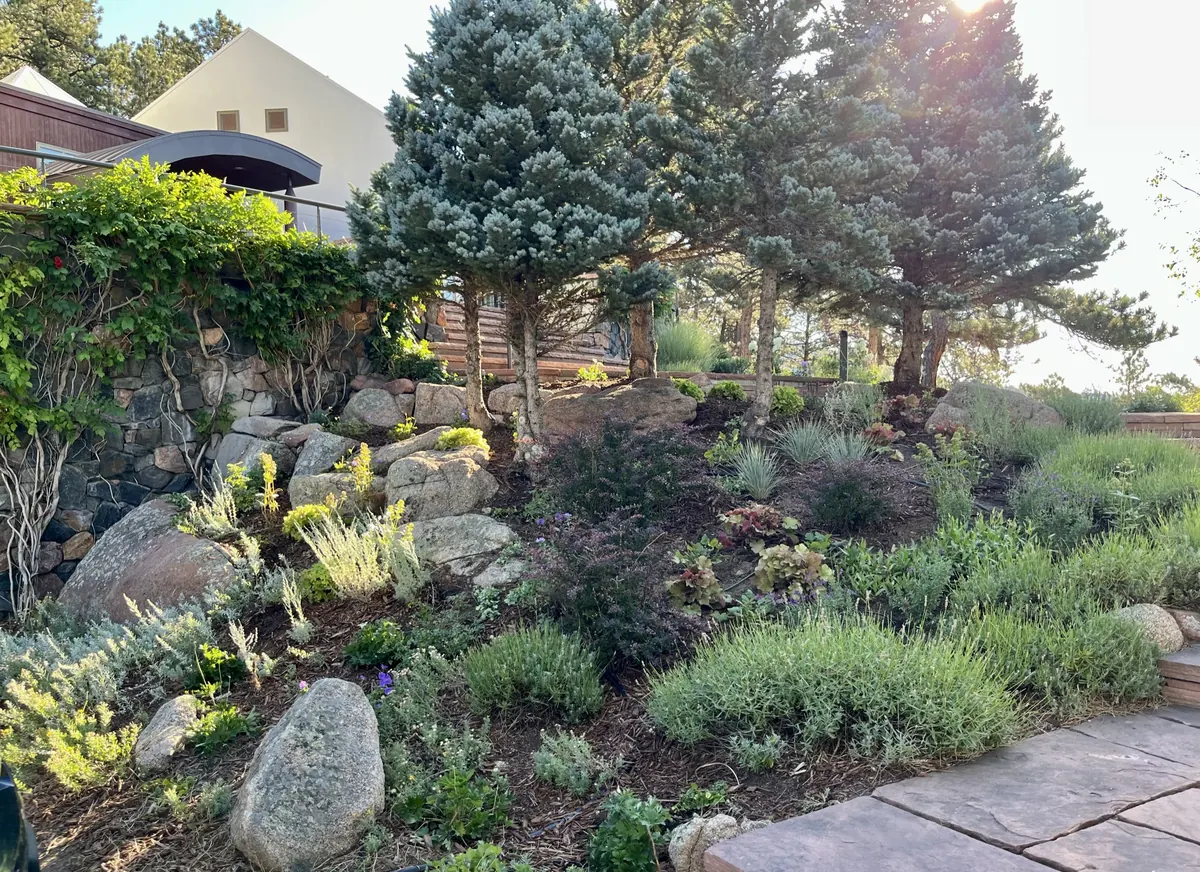
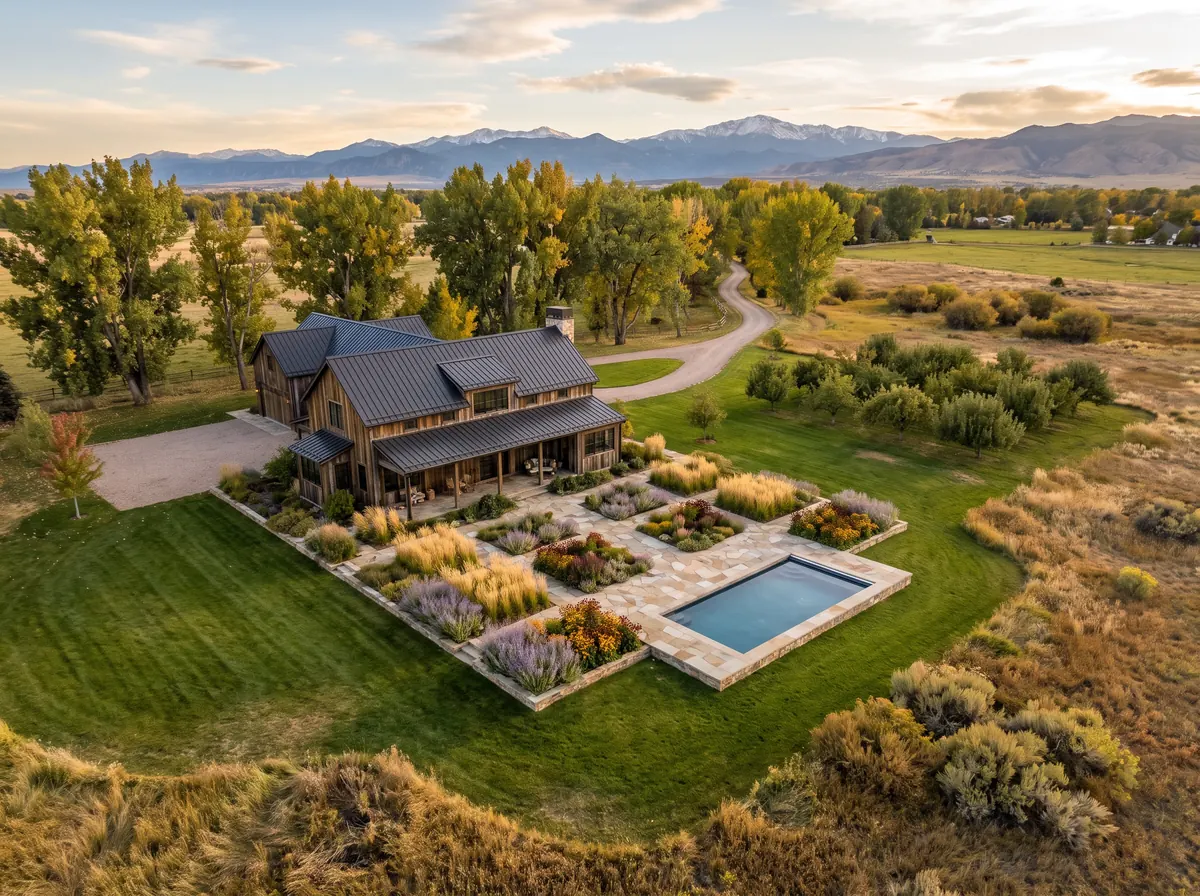
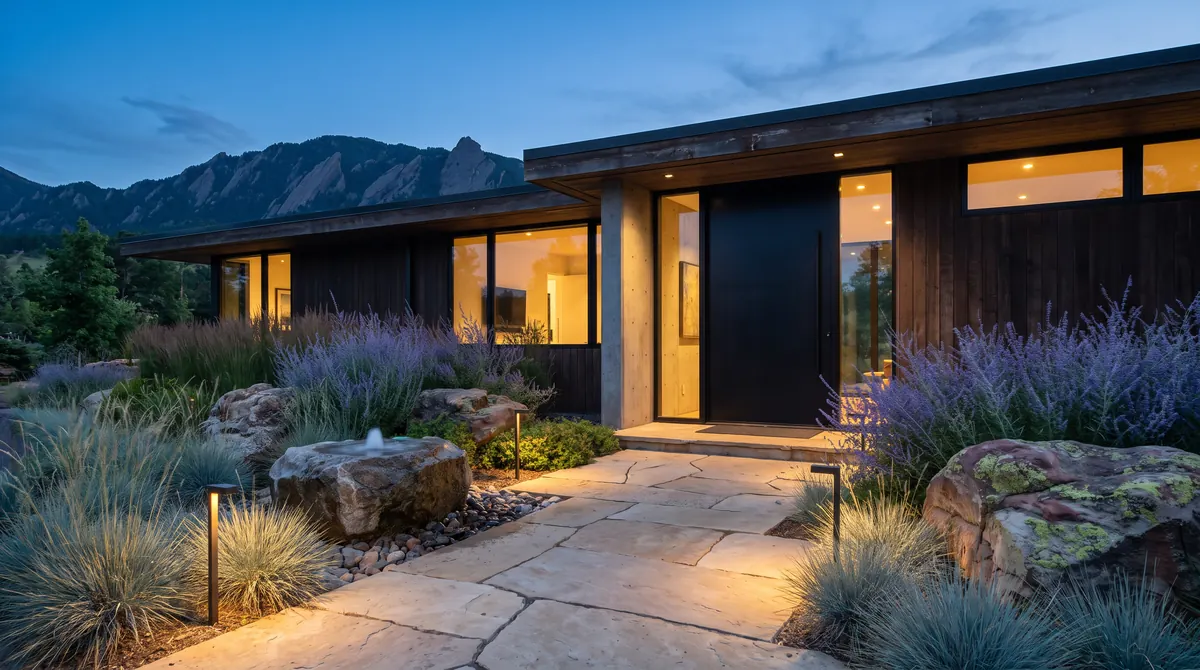
Idlewild's plant palettes draw from species well suited to Colorado conditions, and it waters perennials, shrubs and trees with drip. Its Panorama project, as described on its site, includes a native meadow of perennials and grasses.
A few Front Range natives from the Colorado Native Plant Society's 2016 guide
| Sun | Water | Wildlife value | |
|---|---|---|---|
| Rocky Mountain penstemon (Penstemon strictus) | Sun or part shade | Low | Bees, butterflies, hummingbirds |
| Blue flax (Linum lewisii) | Sun or part shade | Low | Bees, butterflies and other pollinators |
| Blanketflower (Gaillardia aristata) | Sun | Medium | Bees and butterflies |
| Gayfeather (Liatris punctata) | Sun | Low | Bees and butterflies |
| Prairie sage (Artemisia ludoviciana) | Sun | Low | Pollen for bees, seeds for birds |
| Blue grama (Bouteloua gracilis) | Sun | Low | Seeds for birds |
| Little bluestem (Schizachyrium scoparium) | Sun | Low | Seeds for birds; host for skipper butterflies |
| Wax currant (Ribes cereum) | Sun | Low | Fruit for birds and wildlife |
| Mountain mahogany (Cercocarpus montanus) | Sun or part shade | Low | Cover for birds |
Questions
Are native plants the same as xeriscape plants?
Not always. Many natives are low-water, but some need more. Xeriscape plantings can also include adapted plants from other dry places. Group plants by water need either way.
Do native plants need watering?
Yes, at first. Water for at least the first season, with the first three weeks most important. After that, many need little extra water, and some can come off irrigation.
Should I add compost before planting natives?
Usually only a little, if any. CSU says most natives don't need rich soil or fertilizer. In heavy clay, a mix of compost and pea gravel helps plants that need drainage.
When is the best time to plant natives?
Spring or early fall for nursery plants. CSU says late fall is the preferred time to sow native seed.
Can I mix natives with my existing garden?
Yes. CSU and the Colorado Native Plant Society both say adapted non-natives can share beds with natives when their sun, soil and water needs match.
Do native plants resist deer?
Some do, some don't. The Front Range guide notes that mountain mahogany is browsed by deer. Ask about deer pressure when you choose plants for yards near open space.
Sources 6
- Native Herbaceous Perennials for Colorado Landscapes (CSU Extension, reviewed 2025)
- Low-Water Native Plants for Colorado Gardens: Front Range and Foothills (Colorado Native Plant Society, 2016)
- About Plant Select
- Session Law 2024, Chapter 26 (SB24-005 as signed; definition of native plant)
- Fall and Winter Watering, fact sheet 7.211 (CSU Extension)
- SB23-178 Water-wise Landscaping in Homeowners' Association Communities (Colorado General Assembly)